How long will a 1,000Wh power station run?
About 12 hours for a 65W laptop load — or 8 hours for a 100W TV. See the examples, then try your own device below.
One battery, different uses — What you plug in makes the difference.

What could one charge do?
Three everyday examples. Each uses the battery on its own.
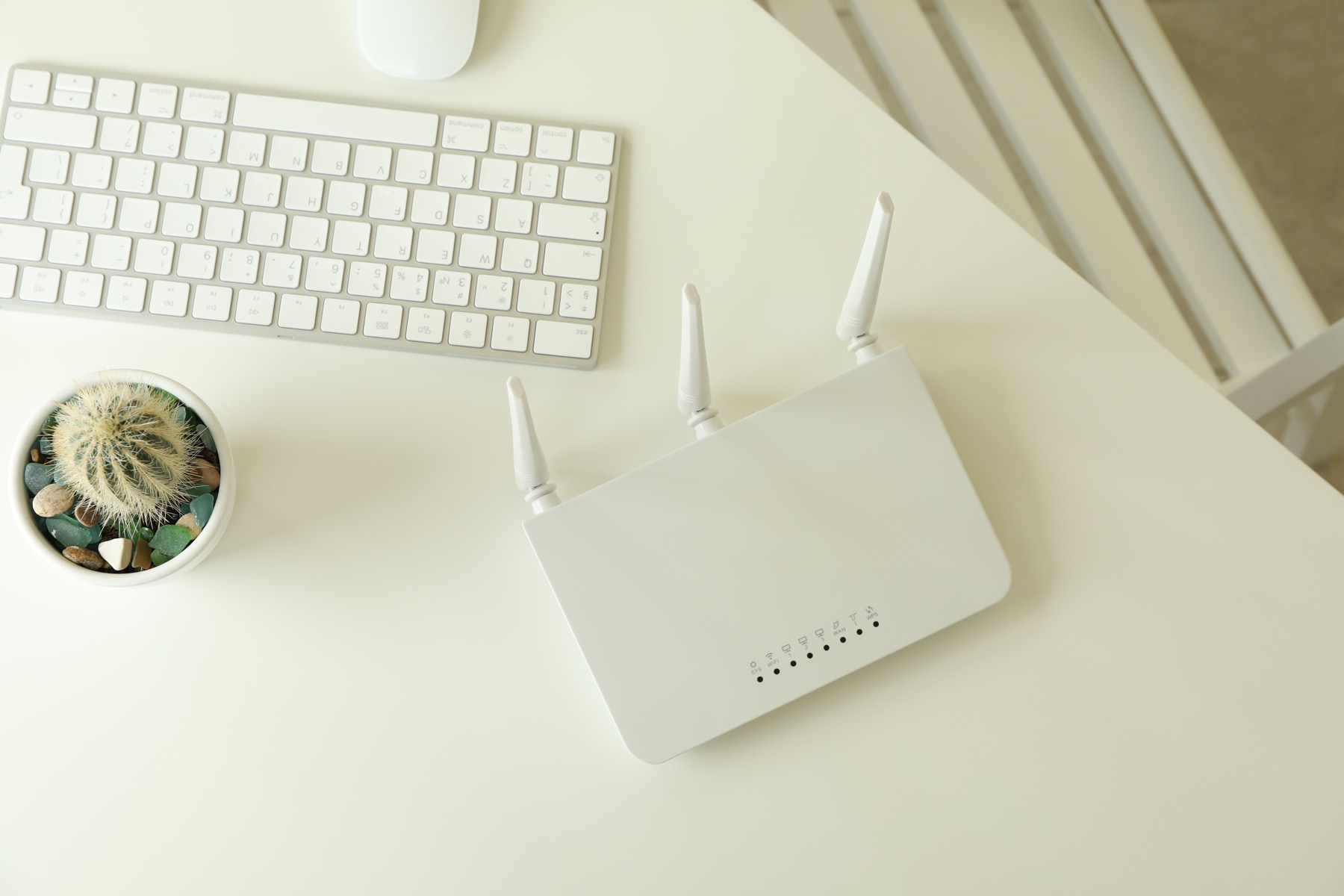
Keep the Wi-Fi on
About 32 hours
Include your NBN connection box or other network equipment if needed.

Carry on working
About 12.3 hours
Charging, screen brightness and your workload change the power used.

Watch a few films
About 8 hours
Add the streaming box, soundbar or router if you use them too.
Examples use 800 Wh from a fully charged 1,000 Wh battery: an 80% planning allowance. The photos illustrate the uses; the power figures are assumptions, not measurements of those devices. An internet connection also depends on your provider’s network.
Try my own device1,000 Wh on the label.
800 Wh in this estimate.
We allow 20% for energy that may not reach your devices. Actual usable energy depends on the station and how you use it.
800 Wh ÷ your device’s watts= estimated hours
See the numbers and the full runtime table
For the laptop example: 800 ÷ 65 ≈ 12.3 hours. Using every nominal watt-hour would give 1,000 ÷ 65 ≈ 15.4 hours; the planning estimate allows for losses.
| Average power | Our estimate 800 Wh usable | Theoretical maximum 1,000 Wh, no losses |
|---|---|---|
| 25 W | 32 hours | 40 hours |
| 50 W | 16 hours | 20 hours |
| 65 W | 12.3 hours | 15.4 hours |
| 100 W | 8 hours | 10 hours |
| 500 W | 1.6 hours | 2 hours |
| 1,000 W | 0.8 hours | 1 hour |
At 500 W, 1.6 hours means about 1 hour 36 minutes. At 1,000 W, 0.8 hours means about 48 minutes. These rows only apply if the station can safely supply that power; 1,000 Wh is its energy capacity, not its output rating.
How long will 1,000Wh last?
This quick estimate plans around 800Wh of usable energy. Enter average consumption—not only the largest number printed on the power adapter.
Three things that change the answer.
Will it run the appliance at all?Enough battery does not always mean enough power.+
Check the station's output in watts (W), as well as its battery capacity in watt-hours (Wh). A 1,000Wh battery does not automatically support a 1,000W appliance. Fridges and other motor-driven appliances can also need extra power to start. Check both continuous output and starting surge before relying on a runtime estimate.
Why might it stop sooner?Small loads, cold and battery condition change the result.+
The station itself uses energy, too. Its inverter and electronics can make a large difference with small loads. Temperature, battery condition and the way an appliance cycles also affect runtime. The 80% allowance here is a planning assumption, not a measured efficiency for every model. Leave extra time in reserve when the result matters.
Which number should I put in?Average watts work better than a charger’s maximum rating.+
Use average power in watts, ideally measured during normal use. The number on a laptop charger is its rating, not necessarily what the laptop draws all day. A fridge cycles on and off; its running or starting watts alone will not give its average consumption. Check low-load auto-shutdown, too. A supported USB-C or DC connection may avoid some conversion losses, but confirm the correct voltage, cable and device requirements.
Five checks before you rely on it
Enough battery is only part of the answer. Check these details with your own equipment.
- Use average watts for every device you want to run.
- Check continuous output and any extra power needed to start.
- Use the correct AC, DC or USB-C connection and cable.
- Check whether the station switches off automatically at low loads.
- Leave extra time for cold, battery ageing and unexpected use; try your setup before relying on it.
Practical answers
Does a 1,000Wh station always deliver 1,000Wh?
No. Battery protection, inverter conversion, standby consumption, temperature and discharge rate reduce the energy that reaches the device.
Can it run a 1,500W appliance?
Only if the station's continuous output supports that load. Capacity sets the duration. The inverter decides whether the appliance can start and stay on.
Why does the screen estimate change while running?
The estimate follows the live load. Thermostats, chargers, motors and computer work change over time, so the remaining hours move with them.
Evidence and sources1 official sourceShow sources
Check the Australian version
These examples explain runtime; they are not a model shortlist. Before ordering, check the Australian model, sockets, supplier, local warranty and compliance details using our regional checks.