How to use a portable generator for home backup safely
A plain-language generator safety checklist covering carbon monoxide, outdoor placement, changeover switches, extension cords, fuel, weather and load limits.
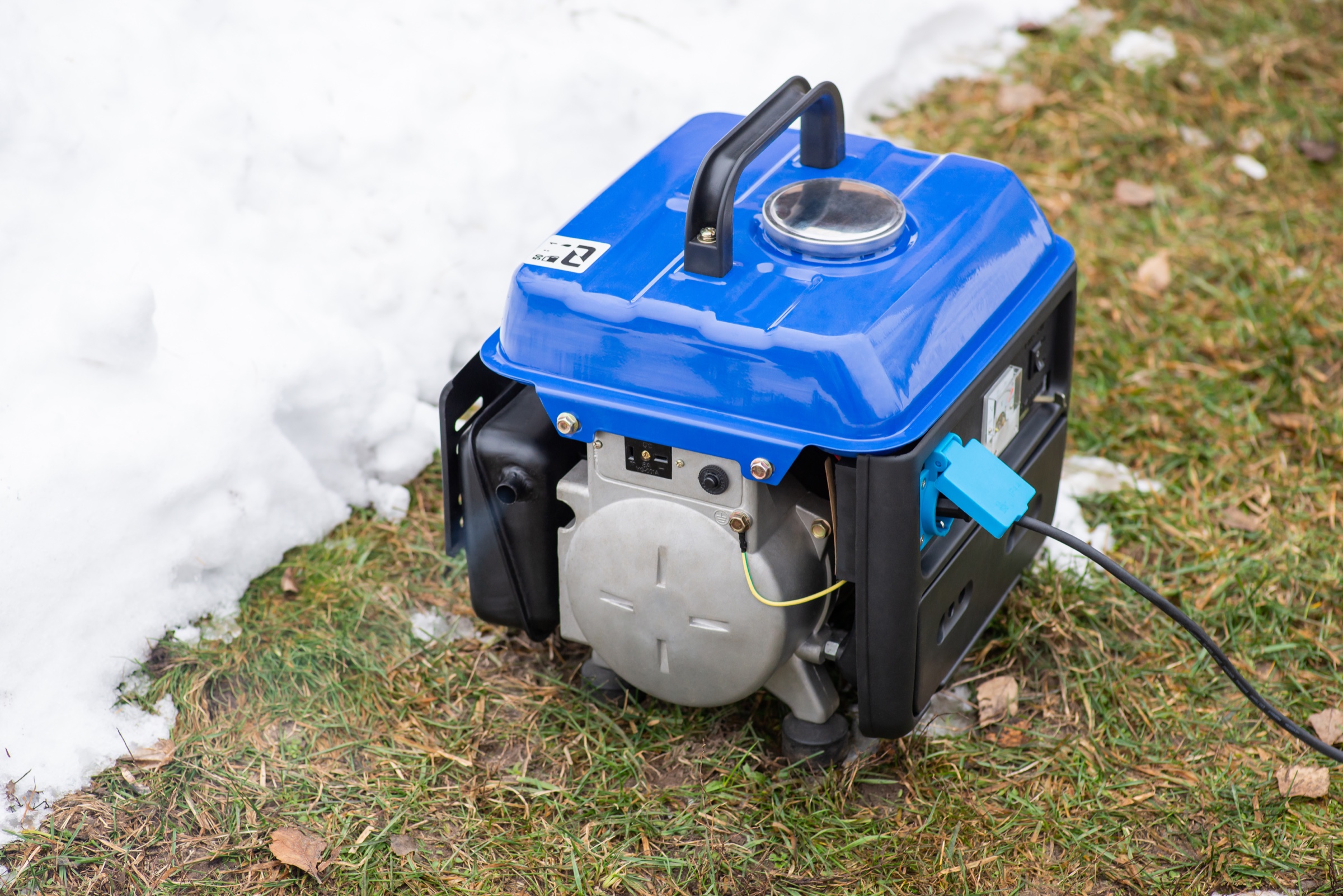
Follow the exact manual where it asks for more space. Never plug a generator into a house socket: connecting it to the home’s wiring needs an approved changeover switch installed by a registered electrician, with a Certificate of Compliance. Keep the unit dry and stop and cool it before refuelling.
Exhaust points away from every opening
Approved changeover switch by a registered electrician
Follow local placement and testing guidance
Plain languageWhat do the technical words mean?Open explanation +
- Carbon monoxide (CO)
- An invisible, odourless gas from combustion that can be fatal.
- Backfeeding
- Sending generator power into the home’s wiring through an unsafe route such as a house socket.
- Changeover switch
- An approved switch, installed by a registered electrician, that separates the home from the mains supply before a generator feeds it.
What does this mean
for your choice?
Distance and direction both matter
Eskom advises keeping a generator at least 5 m from the house and never running it indoors, in a garage (even with the door open), a carport, on a porch or near open windows. Direct the exhaust away from doors, windows and vents. US CDC and CPSC guidance uses a larger distance of more than 20 feet (about 6 m); where the manual asks for more space, follow the manual.
Never feed electricity through a house socket
Eskom warns never to plug a generator into a socket of your house. Backfeeding can energise the home’s wiring and the grid, putting occupants, neighbours and line workers at risk, and can destroy the generator when mains power returns. Plug appliances directly into the generator with correctly rated leads, or have a registered electrician install an approved changeover switch and issue a Certificate of Compliance.
Plan cords and loads before the outage
Use intact grounded cords rated for the total watts or amps and the environment. Add the ordinary draw of simultaneous appliances and check motor starting loads. Overloading can trip protection, overheat equipment and create a fire hazard.
Keep electricity, rain and fuel separated
Follow the generator manual for dry-operation protection, clearance and grounding. Shut the engine down and let it cool before refueling. Store fuel only in approved containers and locations permitted by local rules, away from ignition sources.
CO alarms are backup protection, not permission
Use working battery-powered or battery-backup carbon-monoxide alarms in the locations recommended by local safety guidance. An alarm does not make a garage or near-window generator placement safe. If an alarm sounds or anyone develops headache, dizziness, weakness, nausea, chest pain or confusion, move to fresh air and seek emergency help.
Use the exact South African equipment and instructions
The cited foreign models and safety documents explain the power path and hazards. They do not confirm a South African model, local availability, warranty or an approved home connection. Confirm the exact regional voltage, frequency, sockets and manuals. A generator may feed a home’s wiring only through an approved changeover switch installed by a registered electrician, who issues a Certificate of Compliance. Cited US agency guidance, such as CDC, CPSC or OSHA advice, is US guidance, not South African law.
Calculate only the essential backup circuit.
List essential loads, decide which motors may start and size the safe connection path separately from the generator itself.
A 150W fridge, 80W network, 60W lights and 90W circulation pump use 380W. If the fridge adds 750W while starting, plan for at least 1,130W before breathing room.
Check the complete system.
Do not tick these off in your head. Check the manuals and test the real setup before an outage.
- A dry outdoor operating point at least 5 m from the house
- Exhaust directed away from windows, doors, vents and people
- Working battery-powered or battery-backup CO alarms
- No plan to connect a generator through a house socket
- An approved changeover switch installed by a registered electrician, with a Certificate of Compliance
- Intact grounded cords rated for load, length and environment
- Continuous and starting watts calculated for essential loads
- Fuel, refueling, clearance and grounding follow the exact manual
- Everyone in the household knows the shutdown and emergency plan
Clear answers
Can I run a generator in a garage with the door open?+
No. Eskom advises never running a generator in a garage, even with the door open, or under a carport or on a porch; US CDC and CPSC guidance gives the same warning. Carbon monoxide can build up quickly and enter the home.
How far should a generator be from the house?+
Eskom’s generator fact sheet says at least 5 m from the house, with the exhaust directed away from doors, windows and vents. US CDC and CPSC guidance uses more than 20 feet (about 6 m). The exact product manual may add further requirements.
Can I plug a generator into a wall socket to power the house?+
No. That is dangerous backfeeding, and Eskom warns against it. Connecting a generator to the home’s wiring needs an approved changeover switch installed by a registered electrician, who issues a Certificate of Compliance under the Electrical Installation Regulations.
Can I use an extension cord?+
For directly connected appliances, use an intact grounded cord rated for the total anticipated load, cable length and environment, following the generator and appliance instructions. Do not use damaged, frayed or underrated cords.
Can I refuel while the generator is running?+
No. Shut the generator down and allow it to cool before refueling according to the manufacturer’s instructions. Fuel spilled on hot engine parts can ignite.