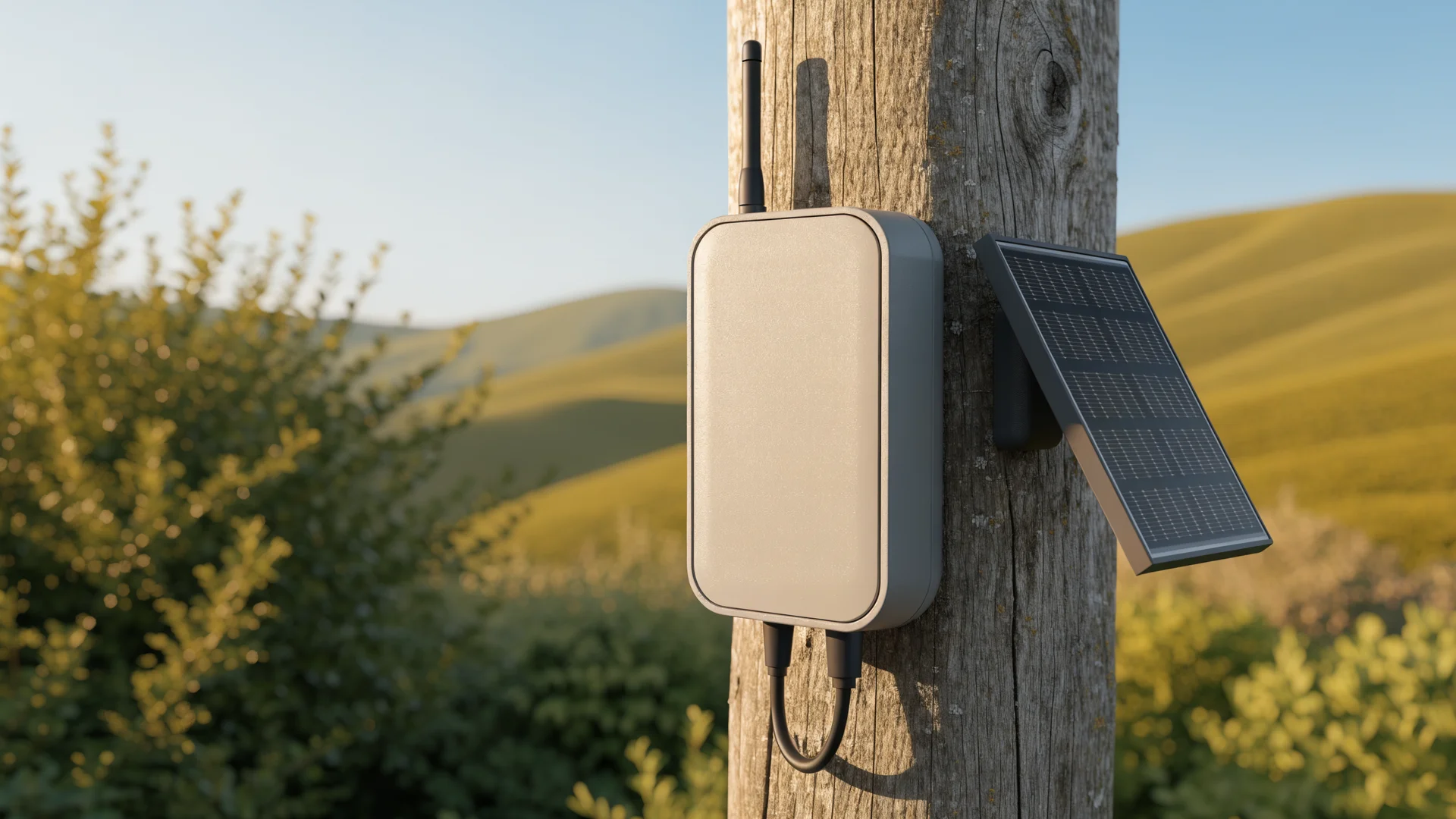
What Meshtastic is
Meshtastic is an open-source project that pairs inexpensive LoRa radio boards with a phone app. Messages hop from node to node, so a few well-placed nodes can link people across a neighborhood or a valley.
Range depends on terrain, antennas and settings, and there is no internet access or emergency service behind it. Frequencies and power limits follow local rules, so use the region setting that matches where you are.
Why one reading is not enough
A node spends most of its time listening and draws more power when it transmits. Most handheld multimeters show a momentary value, so a single reading can be far too low or too high.
Meshtastic recommends a meter or bench supply that totals watt-hours or milliamp-hours over at least an hour, ideally two to six. Check that the meter can resolve very small currents. Do not test on a busy existing mesh: a different channel name or key does not stop your test from affecting others. Follow the official guide's instructions for a locally unused frequency slot within the permitted region setting.
From milliwatts to watt-hours
Power is voltage times current: 5 V × 50 mA is 250 mW. Over 24 hours that becomes 6 Wh. In the guide's own example, a node used 0.72 Wh in three hours, an average of 240 mW, which works out at about 5.8 Wh a day.
A rough battery and panel estimate
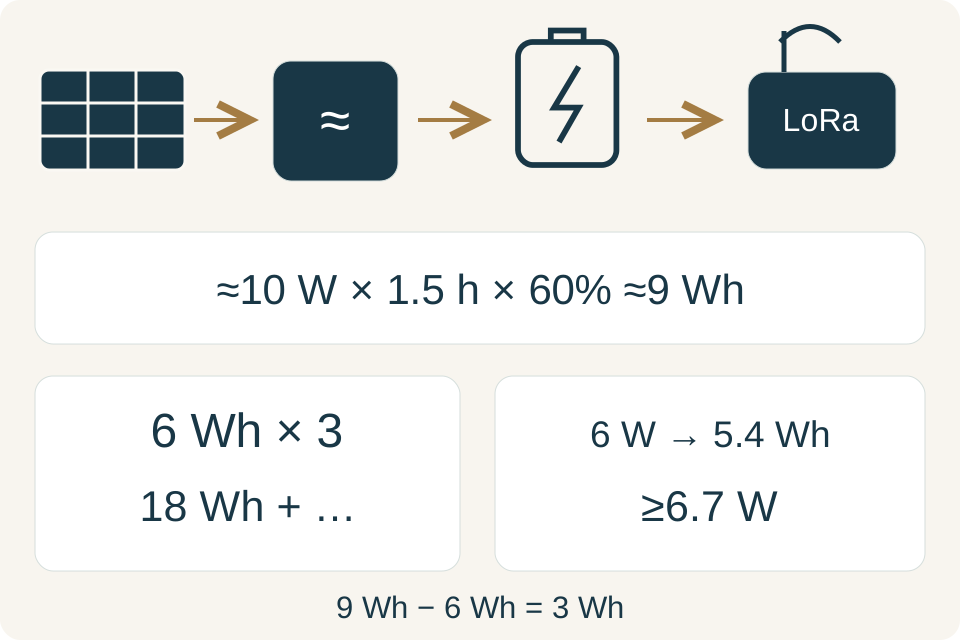
This is our own example, not a figure from Meshtastic. Take 6 Wh a day and plan for three days without useful sun: the node then needs about 18 Wh delivered from the battery. Choose a protected battery pack whose usable energy, after its own losses and a reserve, clearly exceeds that, rather than counting on the nominal rating of individual cells.
For the panel, assume a winter day gives the equivalent of 1.5 hours of full sun and that 60% of the panel's rated output reaches the battery: 6 ÷ (1.5 × 0.6) ≈ 6.7 W just to cover one day's use. A 6 W panel would give only about 5.4 Wh, so a panel of around 10 W, about 9 Wh a day under the same assumptions, is a reasonable example with some margin. Covering daily use is not the same as quickly refilling a flat reserve battery, and your location and season can change these numbers, so measure your own node first.
The same logic applies to bigger setups: see what size solar panel a power station needs or browse our grid-down essentials.
Software and measuring advice; no product launch involved. Radio settings must follow local regulations.