What size solar panel for a power station?
Size a portable solar array by voltage, current and daily energy—not panel watts alone—with examples for 200W, 400W and 600W arrays.
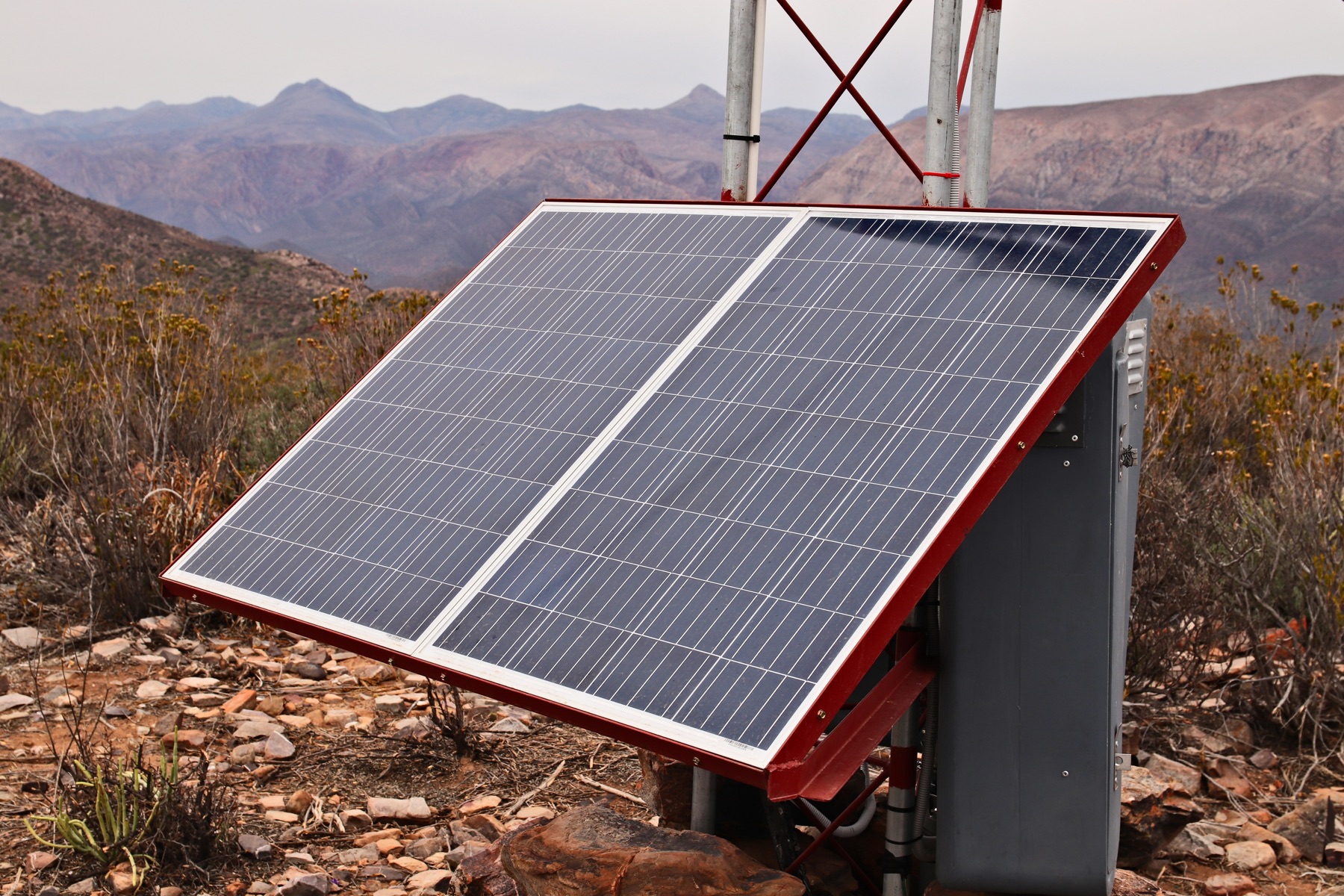
But panel open-circuit voltage must fit the station before wattage matters.
See why this fitsIllustrative solar refill time
usable Wh ÷ average W = hoursUse the row closest to your situation. The explanation below shows what can move the result.
Comparison table
| Panel array | Planned input at 75% | Sun hours for 1,000Wh | Use case |
|---|---|---|---|
| 100W | 75W | 13.3 hours | Maintenance / small daily loads |
| 200W | 150W | 6.7 hours | Light travel use |
| 400W | 300W | 3.3 hours | Balanced 1kWh refill |
| 600W | 450W | 2.2 hours | Fast refill when station supports it |
Planning estimate only. Real runtime varies with temperature, load behavior, battery condition and conversion path.

Use your own watts, hours and reserve.
A realistic input gives you a useful range instead of a false promise.
Open Solar Lab →What does this mean
for your choice?
Voltage decides compatibility
The array's maximum open-circuit voltage must remain below the station limit, including cold-weather voltage rise. Series wiring raises voltage; parallel wiring raises current.
The station clips excess power
A station with a 400W solar ceiling will not accept 600W just because the panels can produce it. Some oversizing may help in weak light, but electrical limits still apply.
Panel rating is a laboratory number
Angle, shade, heat, clouds, cable loss and dirt reduce output. NREL documents measurable soiling loss, reinforcing why a planning factor is more honest than nameplate-only refill time.
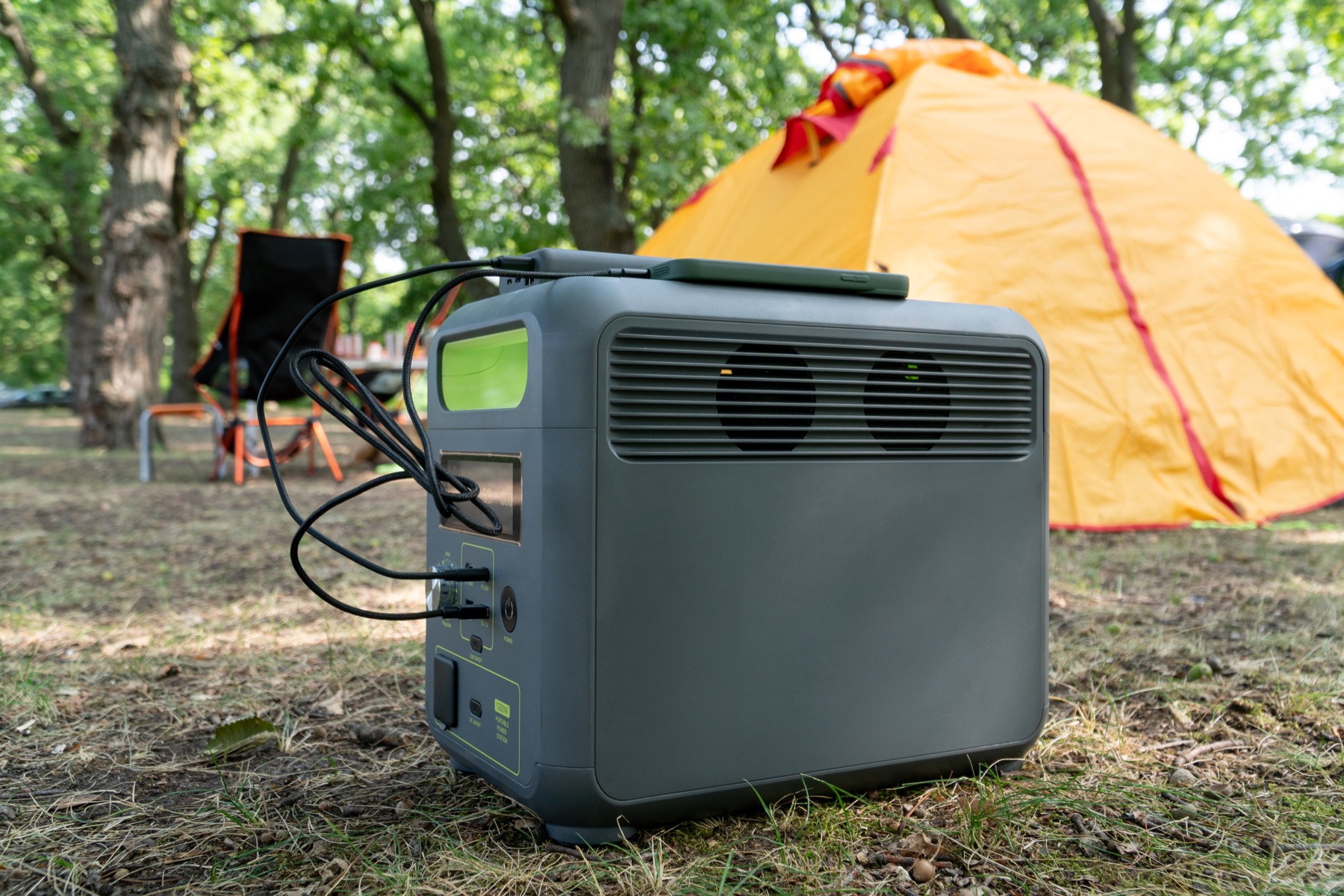
Check the complete power path.
A large enough battery can still be the wrong setup when its output, cable or regional version does not match.
- Array open-circuit voltage in the coldest expected weather
- Array short-circuit current and station current limit
- Series versus parallel wiring
- Correct connector and polarity
- Daily solar energy compared with daily device consumption
Practical answers
Can I connect more panel watts than the station rating?
Sometimes manufacturers allow controlled oversizing, but voltage and current limits remain strict. Follow the exact regional manual rather than a generic rule.
Why is a 200W panel producing only 130W?
Sun angle, cell temperature, haze, shade, dirt, cable loss and charge state can all reduce instantaneous input below the laboratory rating.
Is the connector enough to prove compatibility?
No. Matching MC4, XT60 or DC8020 connectors does not prove that voltage, current and polarity are safe.
Evidence and sources2 official sourcesShow sources
Stations worth checking against this calculation
These are relevant specification profiles, not automatic recommendations. Confirm energy, output protocol, cable behavior and the exact regional model before buying.