Language and regionEnglish · IrelandIE
Examples

7 real questions. Every watt exposed.

Start from a practical bundle, inspect every assumption, define the battery and output target and then edit the plan for your own equipment.

Prefer to start yourself? Open the power planner

What does your day look like?

7 worked examples + photography planner

7 editable setups · 0 paid rankings · 0 unverified Ireland product claims

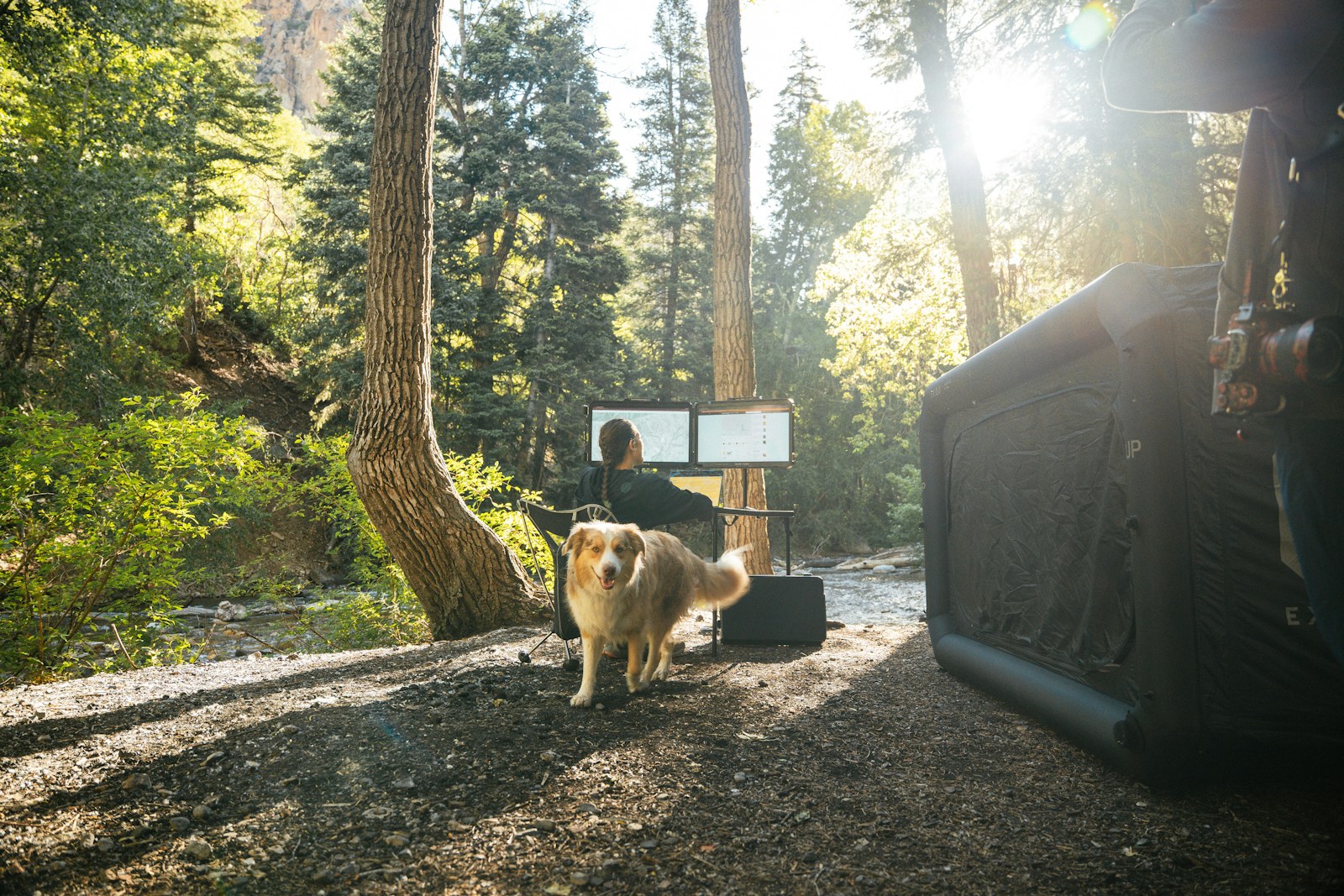
A remote workstation beside a forest streamOne workday
Remote-work setup

Off-grid remote work: Starlink, laptop and network

Energy per day
1,020 Wh
Battery for 1 day
1,530 Wh

Battery target including losses and 20% reserve.

What is in this example?

A transparent one-day battery and solar budget for an eight-hour remote workday with Starlink Mini, a laptop and local network equipment.

  • Starlink Mini planned at the top of its official 25–40W average range
  • Laptop uses a 65W working average for eight hours
  • Local router or network gear averages 15W for twelve hours
  • All three average loads may overlap

Solar target: 350 W at 4 peak sun hours and 75% yield. This is a separate estimate; the battery target above is calculated without recharging.


A tent and camping table in a green forestTwo days
Camping setup

Weekend camping: fridge, lights and laptop

Energy per day
885 Wh
Battery for 2 days
2,655 Wh

Battery target including losses and 20% reserve.

What is in this example?

A two-day camping energy budget for a compressor fridge, camp lighting and three hours of laptop use each day.

  • The fridge’s 45W compressor is represented by a 50% daily duty cycle
  • Camp lights total 25W for six hours
  • Laptop averages 65W for three hours
  • Solar planning uses a 75% yield rather than panel nameplate output

Solar target: 300 W at 4.5 peak sun hours and 75% yield. This is a separate estimate; the battery target above is calculated without recharging.

A softly lit bedside table in a quiet bedroomOne night
Medical-device planning

CPAP overnight backup: conservative battery sizing

Energy per day
479 Wh
Battery for the night
778 Wh

Battery target including losses and 30% reserve.

What is in this example?

An eight-hour AirSense 11 planning example with phone charging, 30% extra energy margin and explicit medical-device cautions.

  • AirSense 11 uses its official 56.1W typical figure for eight hours
  • The entered 73.2W peak is checked separately
  • Phone charging adds 30Wh
  • A larger 30% extra energy margin is used because this is a critical load

Solar target: 250 W at 3 peak sun hours and 75% yield. This is a separate estimate; the battery target above is calculated without recharging.

Worked example, not a medical emergency plan. Follow the manufacturer and your care provider.

A home prepared with light during a power outage24 hours
Home-outage setup

One-day outage essentials: cold food, internet and light

Energy per day
1,592 Wh
Battery for 1 day
2,587 Wh

Battery target including losses and 30% reserve.

What is in this example?

A conservative 24-hour planning budget combining a cycling fridge, router, lights and four hours of laptop use.

  • Fridge averages 30W across the day and has a 200W start event
  • Router and modem average 18W continuously
  • LED lights total 30W for six hours
  • Laptop averages 65W for four hours

Solar target: 650 W at 3.5 peak sun hours and 75% yield. This is a separate estimate; the battery target above is calculated without recharging.

A satellite internet dish set up outdoorsTen-hour field day
Mobile internet setup

Starlink Mini mobile internet for a long field day

Energy per day
505 Wh
Battery for 1 day
758 Wh

Battery target including losses and 20% reserve.

What is in this example?

A ten-hour Starlink Mini power budget with phone charging and task lighting, including battery-only and daily-solar checks.

  • Starlink Mini is planned at 40W for ten hours
  • One phone receives two hours at a 15W charging average
  • Task lighting adds 15W for five hours
  • The Starlink Mini peak remains a separate output check

Solar target: 200 W at 4 peak sun hours and 75% yield. This is a separate estimate; the battery target above is calculated without recharging.
A portable fridge packed for a weekend tripTwo days
Weekend cooling setup

Portable fridge for a weekend: battery and solar budget

Energy per day
700 Wh
Battery for 2 days
2,100 Wh

Battery target including losses and 20% reserve.

What is in this example?

A two-day 12V compressor-fridge setup with lighting and two phones, using an explicit 50% compressor duty-cycle assumption.

  • A 45W compressor runs 50% of the day
  • LED lighting uses 100Wh per day
  • Two phones each receive 30Wh per day
  • The fridge uses its native DC path where supported

Solar target: 250 W at 4.5 peak sun hours and 75% yield. This is a separate estimate; the battery target above is calculated without recharging.
A worker using a guarded circular sawOne workshop day
Tools & workshop setup

Portable workshop day: grinder, battery charger and lights

Energy per day
1,000 Wh
Battery for 1 day
1,563 Wh

Battery target including losses and 25% reserve.

What is in this example?

A transparent one-day energy and output budget for intermittent grinding, cordless-tool charging and task lighting away from a fixed outlet.

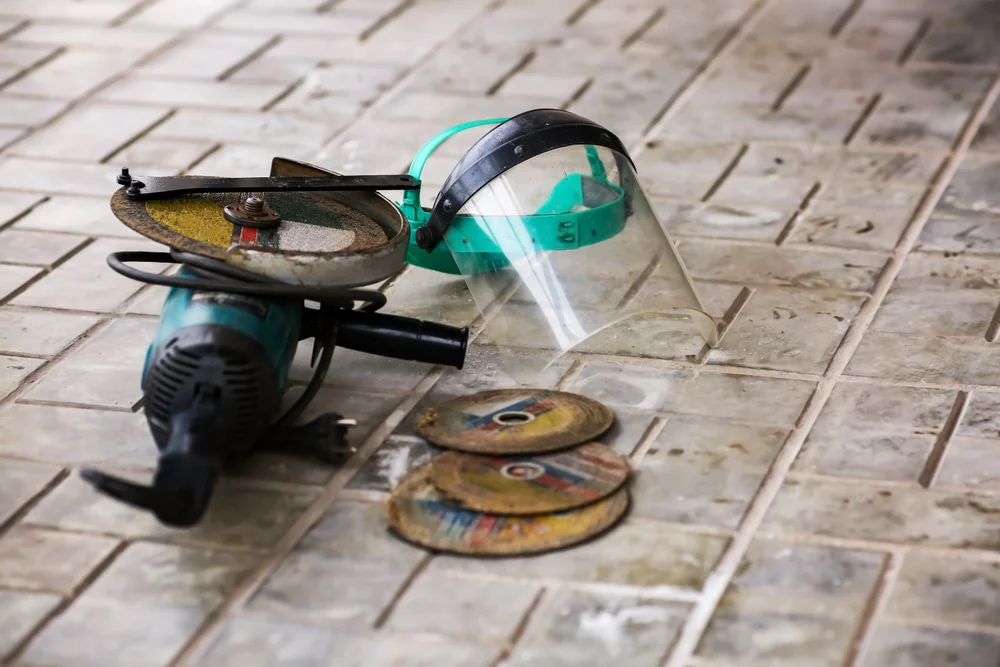
  • The angle grinder averages 1,200W for 30 minutes of actual trigger-on time
  • One battery charger averages 150W for two hours
  • Task lights draw 25W for four hours
  • The planner conservatively allows the charger and lights to remain on when the grinder starts

Solar target: 350 W at 4 peak sun hours and 75% yield. This is a separate estimate; the battery target above is calculated without recharging.

Build it yourself
Photography on location

Power for your full shoot

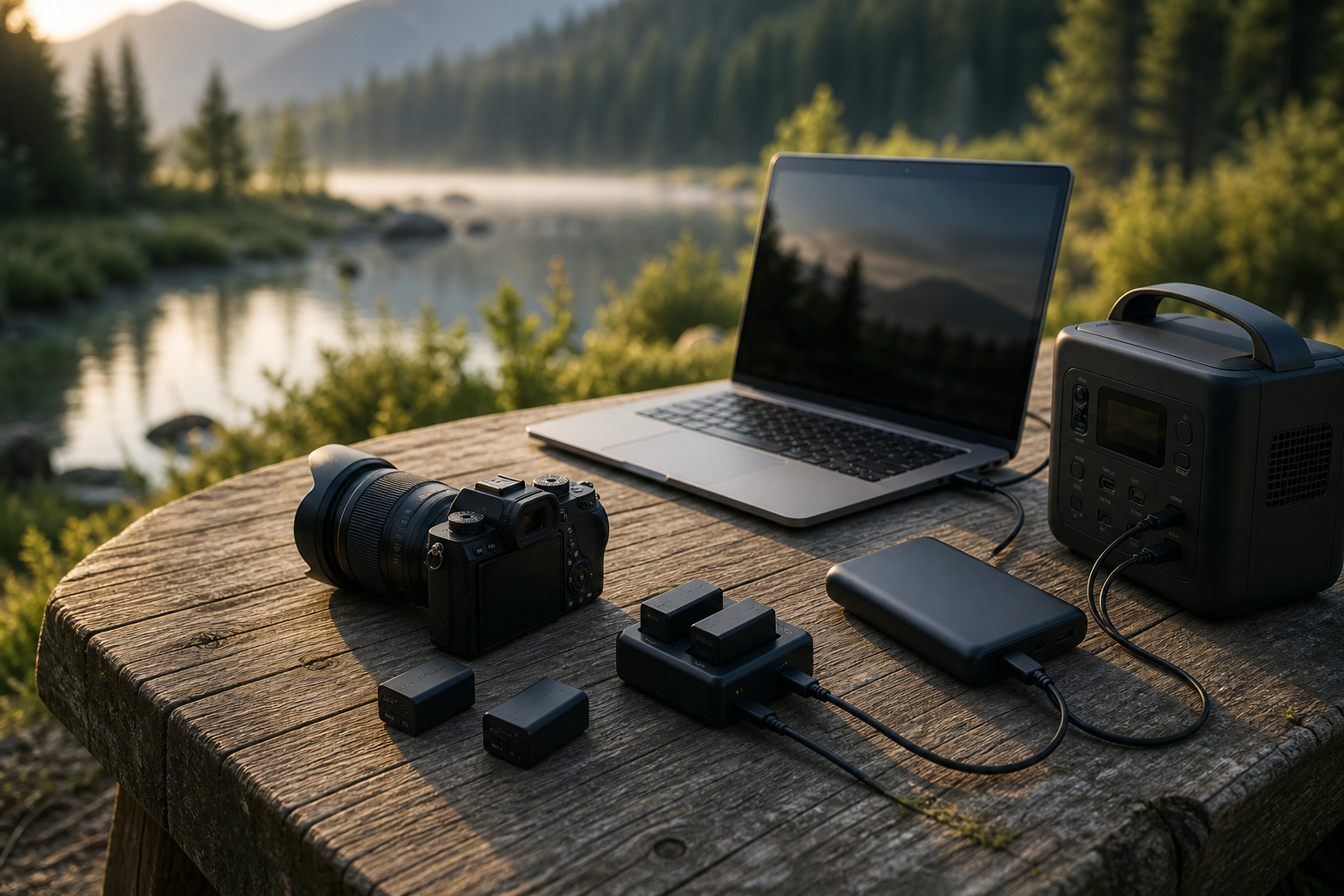
Camera, laptop, drone and light. Choose what comes along and calculate with your own camera battery.

Specialist plannerYour gear. Your shoot day.
A starting point, not a fixed set

Make it fit your day.

Open an example to see the calculation. In the planner you change the devices, hours and reserve.

Loads are visible

No hidden “typical use” score. Watts, hours, quantity and starting load are shown.

Loss is budgeted

Battery targets add an explicit extra energy margin to the daily demand, then assume 80% usable energy. The margin is extra capacity, not a promised remaining charge.

Solar stays separate

A daily solar target does not pretend that tomorrow’s weather is guaranteed.