Which solar panel can charge your power station?
Check voltage, current, polarity and connectors before comparing panel wattage.
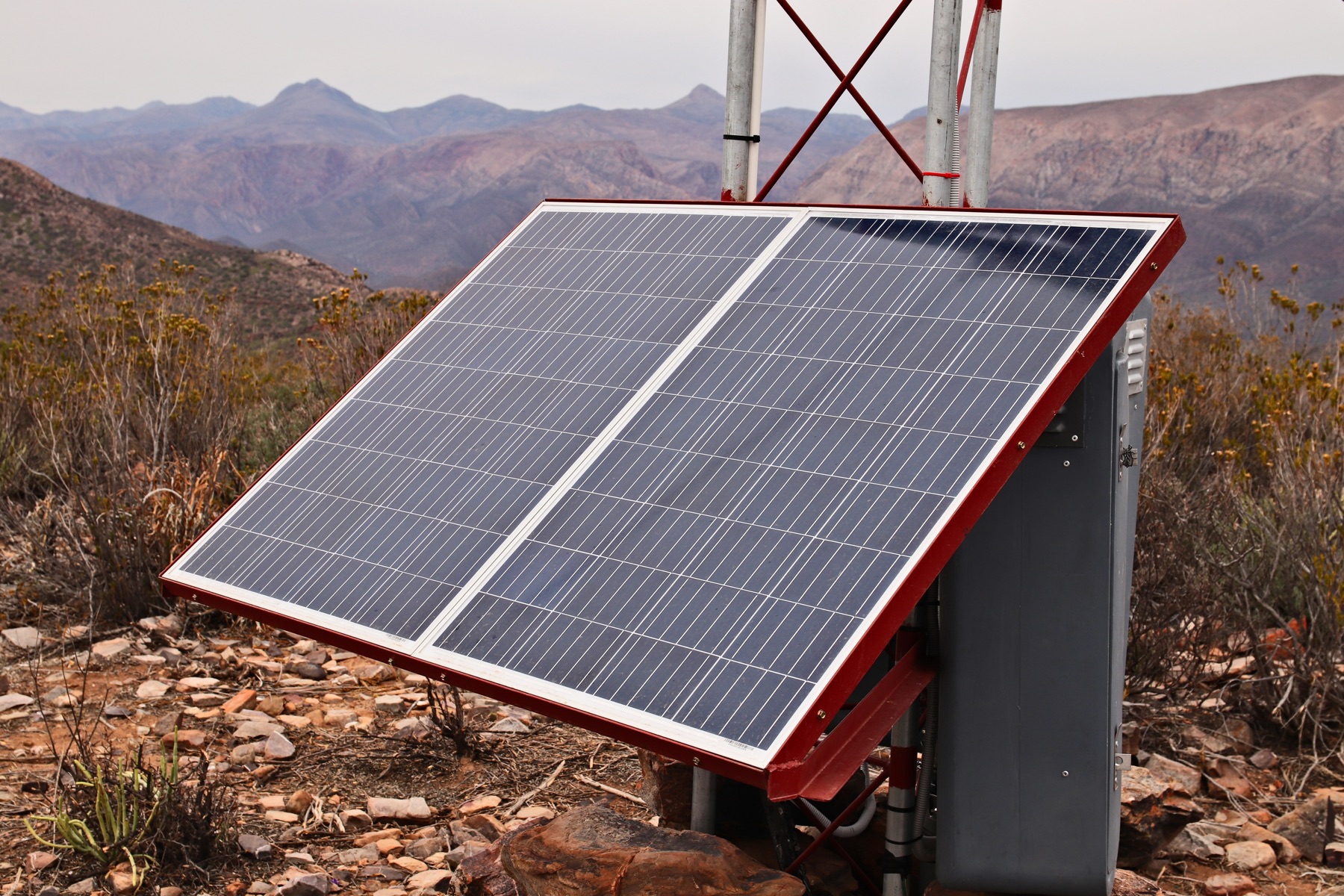
Match the panel's electrical limits to the station's solar input; a suitable wattage alone does not prove that they connect safely.
See why this fitsBefore you connect a panel
Check voltage, current and input-power limits separatelyUse the row closest to your situation. The explanation below shows what can move the result.
Comparison table
| Check | What to establish |
|---|---|
| Voltage | Open-circuit voltage Voc, including cold-weather rise, stays inside the allowed range |
| Current | Station, cable and connector ratings are respected |
| Connector | Correct wiring and polarity, not just a plug that fits |
| Harvest | Room for cloud, shade and changing panel orientation |
Planning estimate only. Real runtime varies with temperature, load behavior, battery condition and conversion path.

Use your own watts, hours and reserve.
A realistic input gives you a useful range instead of a false promise.
Open Solar Lab →What does this mean
for your choice?
Equal watts can hide different voltages
Read the panel specification beside the station manual. A lower-wattage panel can still exceed a voltage ceiling. Series and parallel connections change the combined electrical values; compatibility of one panel does not establish compatibility of several.
Charging time is an estimate
Capacity divided by charging power is only a theoretical starting point. Conversion losses, sun, shade and charge control affect the result. Keep enough stored energy for the hours without useful sun rather than treating the rated panel wattage as continuous supply.
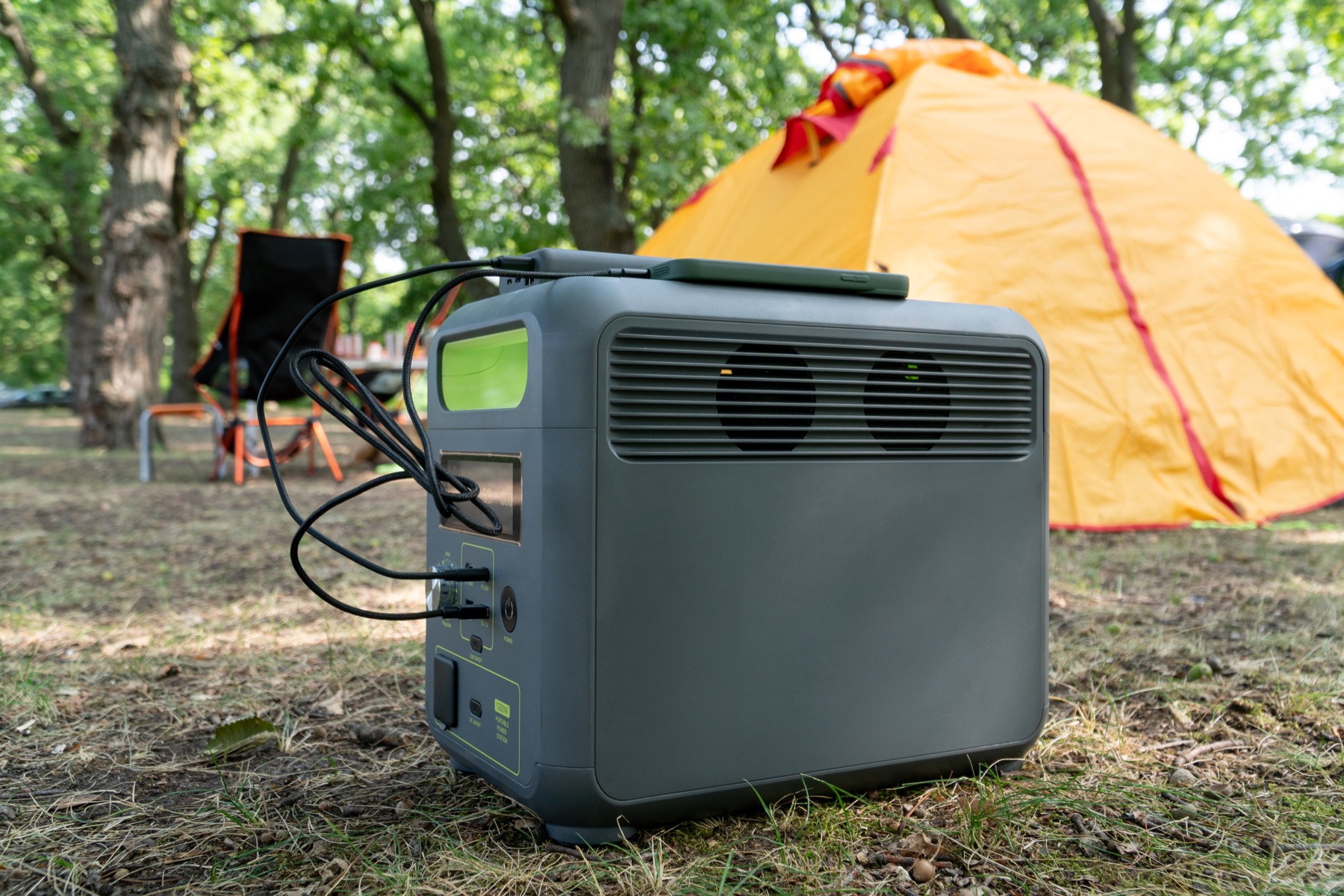
Check the complete power path.
A large enough battery can still be the wrong setup when its output, cable or regional version does not match.
- Exact regional station manual
- Panel Voc and temperature conditions
- Current and wiring limits
- Connector and polarity
Practical answers
Does a matching plug prove compatibility?
No. Check voltage, current, polarity and cable ratings against the exact regional manuals.
Will a panel always supply its rated watts?
No. Sunlight, shade, orientation, temperature and charging control change actual input. Rated watts are not a charging-power guarantee.
Evidence and sources1 official sourceShow sources
Separate documented specifications from calculated matches.
Products separates technical references from documented Philippine versions. The home calculator compares your inputs with models whose regional specifications have been checked. A calculated match is not a compatibility guarantee or a purchase recommendation. Enter your actual device load and check its connections and instructions.