What size power station for a CPAP machine?
A conservative CPAP battery-sizing guide using official AirSense 11 power figures, with humidifier, peak-load and medical-device cautions.
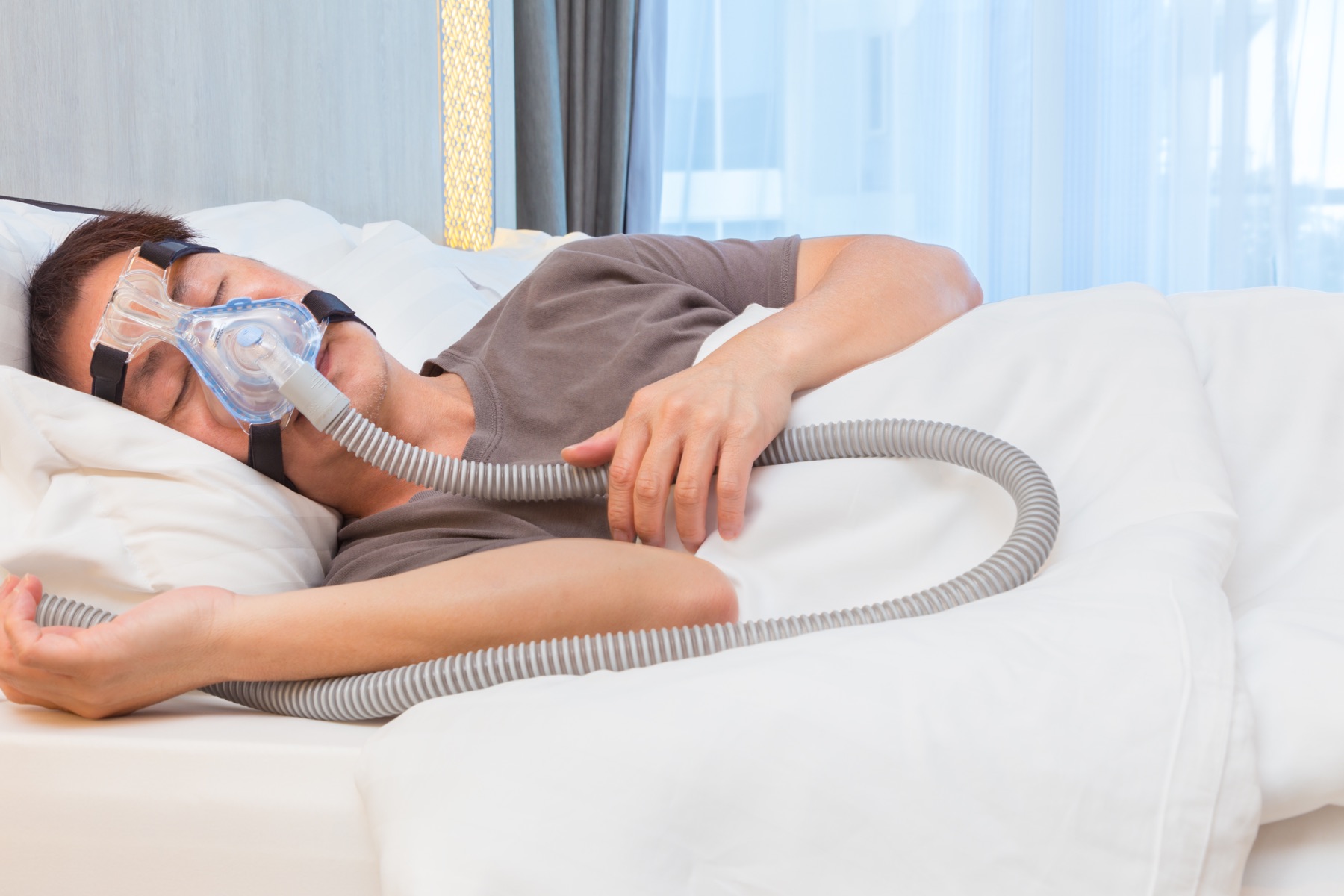
Heater and humidifier settings are decisive, so test your exact prescription setup.
See why this fitsConservative AirSense 11 runtime
usable Wh ÷ average W = hoursUse the row closest to your situation. The explanation below shows what can move the result.
Comparison table
| Battery class | Usable energy at 80% | Runtime at 56.1W | Eight-hour margin |
|---|---|---|---|
| 300Wh | 240Wh | 4.3 hours | No |
| 500Wh | 400Wh | 7.1 hours | No |
| 768Wh | 614Wh | 11 hours | Yes |
| 1,024Wh | 819Wh | 14.6 hours | Yes |
Planning estimate only. Real runtime varies with temperature, load behavior, battery condition and conversion path.

Use your own watts, hours and reserve.
A realistic input gives you a useful range instead of a false promise.
Open Power Planner →What does this mean
for your choice?
Humidification changes battery life
A heated humidifier and heated tube can use substantial power. Turning comfort features down may extend runtime, but any therapy-setting decision belongs with the patient and clinician—not a battery calculator.
Rated capacity is not delivered capacity
Inverter loss, battery reserve, temperature and standby draw reduce usable energy. Our table budgets only 80% of the label capacity rather than dividing by the full advertised watt-hours.
Backup power must be tested
A calculated fit is not enough for critical equipment. Test the exact CPAP, hose, humidifier, power supply and battery together, and keep the manufacturer-approved backup plan.
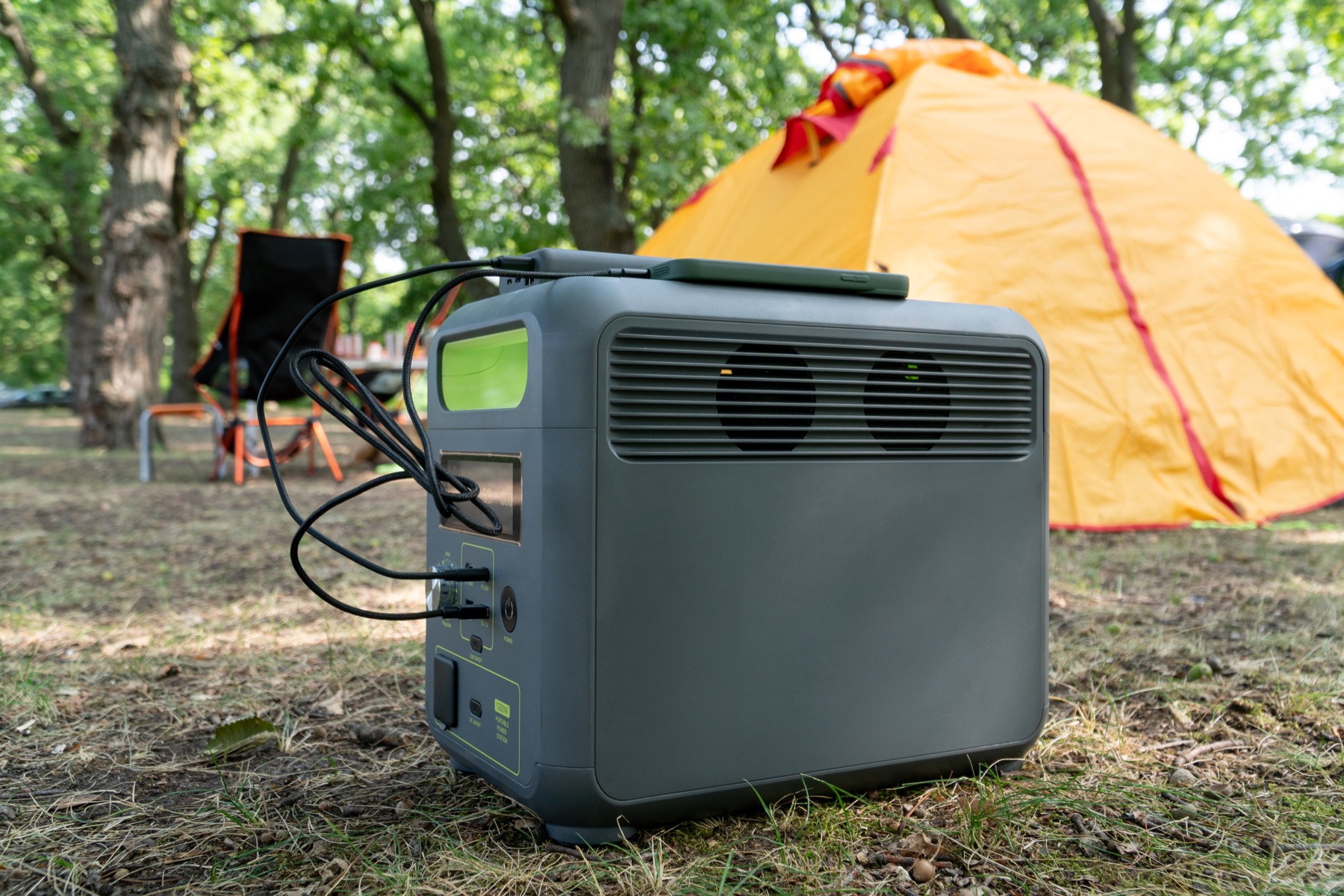
Check the complete power path.
A large enough battery can still be the wrong setup when its output, cable or regional version does not match.
- Runtime covers the full sleep period plus reserve
- Continuous and peak output exceed the machine’s requirements
- No automatic shutdown in low-load or eco mode
- Correct regional cord and approved power supply
- A completed overnight test before travel or outage use
Practical answers
Can a 500Wh battery run a CPAP all night?
It depends on the machine and comfort features. At the AirSense 11 official 56.1W typical figure and 80% usable energy, 500Wh calculates to about 7.1 hours, so it lacks an eight-hour margin.
Why do some CPAP estimates look much longer?
They may assume the humidifier and heated tube are off, use a lower measured pressure-dependent draw, or divide by the full battery label capacity without allowing for conversion loss.
Is this medical advice?
No. This is electrical planning information. Follow the CPAP manufacturer and clinician for therapy decisions, and test any backup arrangement before depending on it.
Evidence and sources1 official sourceShow sources
Stations worth checking against this calculation
These are relevant specification profiles, not automatic recommendations. Confirm energy, output protocol, cable behavior and the exact regional model before buying.