How to reduce lithium-ion battery fire risk
A plain-language checklist for buying, charging, inspecting and disposing of power banks and other rechargeable lithium-ion devices more safely.
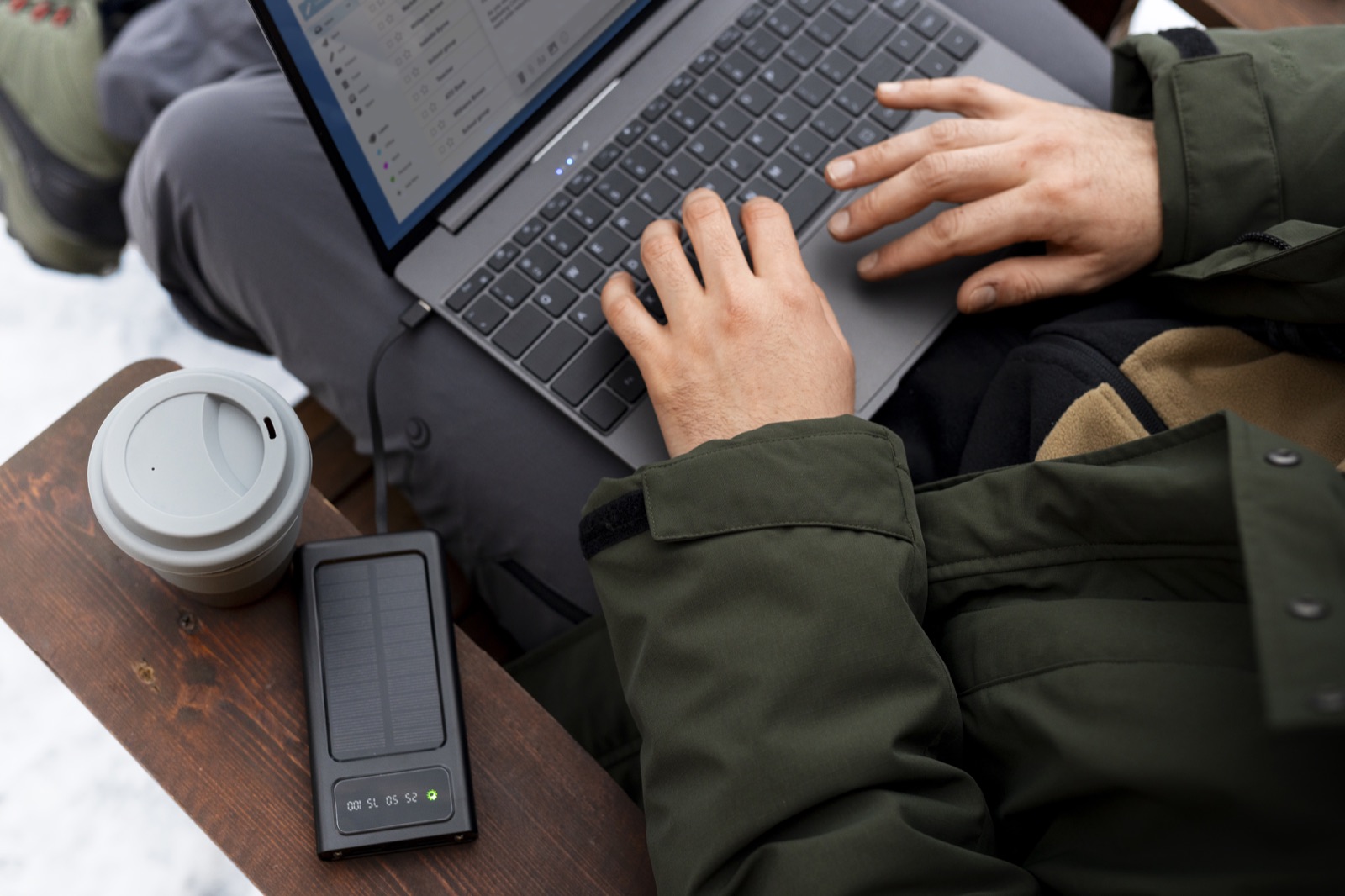
Use the equipment specified for the exact device, charge on a clear non-combustible surface while you are awake and nearby, and stop using a battery that swells, leaks, smells unusual, changes colour, hisses or becomes excessively hot.
See why this fitsThe four moments that make the biggest difference
prevention first + tested barrier secondUse the row closest to your situation. The explanation below shows what can move the result.
Comparison table
| Moment | Do this | Avoid this | Why it matters |
|---|---|---|---|
| Buying | Choose a traceable exact model and seller | Anonymous packs with implausible claims | Documentation, recalls and support remain findable |
| Charging | Use the specified charger on a clear hard surface | Beds, sofas, direct sun and covered devices | Heat can escape and nearby material is less likely to ignite |
| Checking | Inspect after a drop and whenever behaviour changes | Continuing with a swollen, hot or damaged pack | Visible or unusual behaviour can be an early warning |
| Disposal | Use an approved battery collection route | Household rubbish or loose exposed terminals | Damaged and discarded cells can short-circuit or ignite |
No bag makes unattended charging safe. Product claims must be tied to a defined battery energy, test method and exact model.

Start with the device you actually want to charge.
Energy, USB-C output and the cable you carry matter more than a large number printed on the listing.
See how buying links work →What does this mean
for your choice?
Start with the exact product, not only the brand
Buy from a seller that identifies the manufacturer and exact model. Check the battery label, manual, charging limits and recall notices. A familiar logo is not a guarantee, but a traceable model gives you documentation, a support route and a way to identify affected batches.
Make charging deliberately boring
Use the charger and cable specified by the manufacturer. Place the device uncovered on a stable, non-combustible surface with space for heat to escape, away from beds, sofas, paper, direct sun and the route you would use to leave the room. Charge while awake and nearby, with a working smoke alarm in or near the charging area.
Treat damage and unusual behaviour as a stop sign
Stop charging or using a battery that is swollen, leaking, dented, unusually hot, discoloured, giving off an unusual smell or making hissing, popping or cracking sounds. Do not puncture, squeeze, open or attempt to repair the pack yourself. Follow the manufacturer, local fire service or battery collection service for safe next steps.
Store and transport it without creating a short circuit
Keep batteries dry, protected from impact and within the manufacturer’s temperature range. Do not leave them in a hot car or full sun. Protect exposed terminals from keys, coins and other metal, and do not place a damaged battery back among healthy devices.
A fire bag is secondary containment, not prevention
A correctly sized, independently tested containment product may reduce the spread of flame, sparks and debris in a defined scenario. It does not repair a damaged cell, remove toxic smoke or make unattended charging safe. Prevention, early detection and a clear escape route still do more work.
If there is smoke or fire, protect people first
Do not pick up a battery that is smoking, burning, expanding or very hot. Warn others, leave the area, stay out and call the local emergency number. Avoid breathing the smoke and follow the instructions of the fire service rather than attempting improvised firefighting.
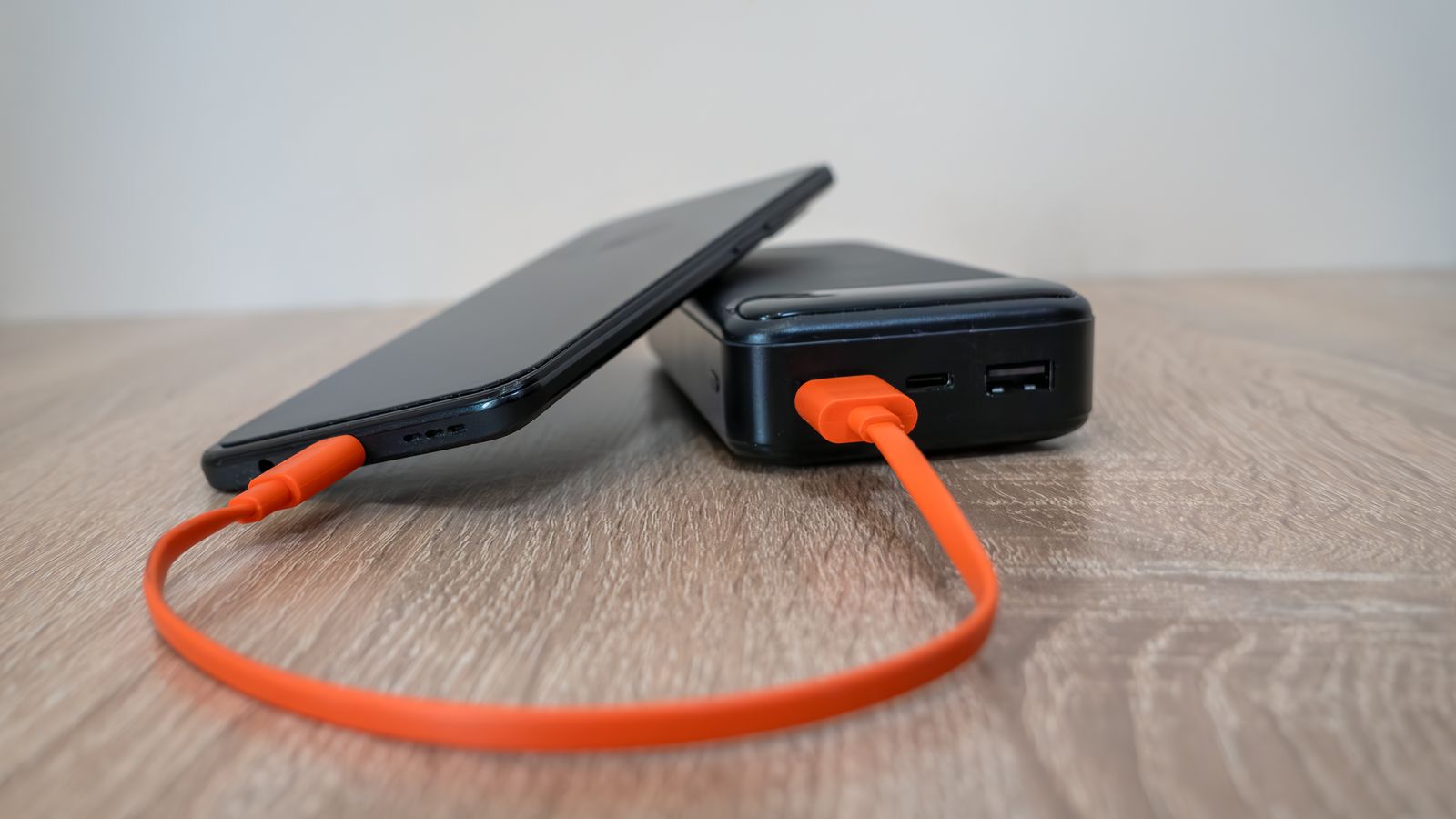
Evidence first. Price second.
The store name, country of manufacture and star rating do not decide the label. The exact product and the evidence attached to it do.
Exact model, traceable manufacturer, credible documentation, checked output and a usable support or recall route.
The listing clears the core checks, but any specification we have not independently tested remains clearly identified.
Missing identity, implausible capacity, unclear seller or unverifiable claims. It stays out of recommendations.
Treat ‘fireproof’ as a claim to verify.
A bag is an extra layer, not a cure for a damaged battery and not permission to charge while asleep or away.
- Exact manufacturer and model are identifiable
- No recall applies to the model or batch
- Battery, enclosure, cable and connectors are undamaged
- Specified charger and cable are being used
- Charging surface is stable, clear and non-combustible
- Device is uncovered and can release heat
- Charging is attended and away from the escape route
- A working smoke alarm can provide early warning
- Collection or disposal follows local battery guidance
Practical answers
Are lithium-ion batteries generally unsafe?
No. They are used safely in a huge range of everyday products. The useful response is not panic but reducing avoidable risks: use traceable equipment correctly, control heat and charging conditions, and stop when a battery shows damage or unusual behaviour.
Is every lithium-ion battery a LiPo battery?
No. LiPo commonly describes a lithium-polymer pouch-cell construction within the wider rechargeable lithium-ion family. Phones, powerbanks and tools can use different cell formats, but the same prevention principles broadly apply.
Can I charge a power bank overnight?
Fire-service and NFPA guidance advises against charging lithium-ion batteries unattended or while asleep. Charge while awake and nearby, then disconnect the device when charging is complete according to its instructions.
What should I do with a swollen power bank?
Stop using and charging it. Do not puncture, compress or place it in household rubbish. Keep people away and contact the manufacturer, local fire service non-emergency line or approved battery collection service for instructions appropriate to its condition.
Does a fire-resistant bag make charging safe?
No. A tested bag can only be a secondary barrier for a defined battery size and scenario. It cannot prevent thermal runaway, guarantee containment or replace supervision, correct charging equipment, a safe surface, smoke detection and an escape plan.
What do I do if a battery starts smoking?
Do not carry or handle a hot, expanding, smoking or burning battery. Alert others, leave, stay out, call the local emergency number and avoid the smoke. Follow local fire-service instructions.
Evidence and sources5 official sourcesShow sources
Power banks worth checking against the same buying filter
These are relevant specification profiles, not automatic recommendations. Confirm energy, output protocol, cable behaviour and the exact regional model before buying.