Inverter generator vs conventional generator: which should you buy?
Compare inverter and conventional portable generators by power quality, noise, fuel use, portability, output and price without assuming every model behaves alike.
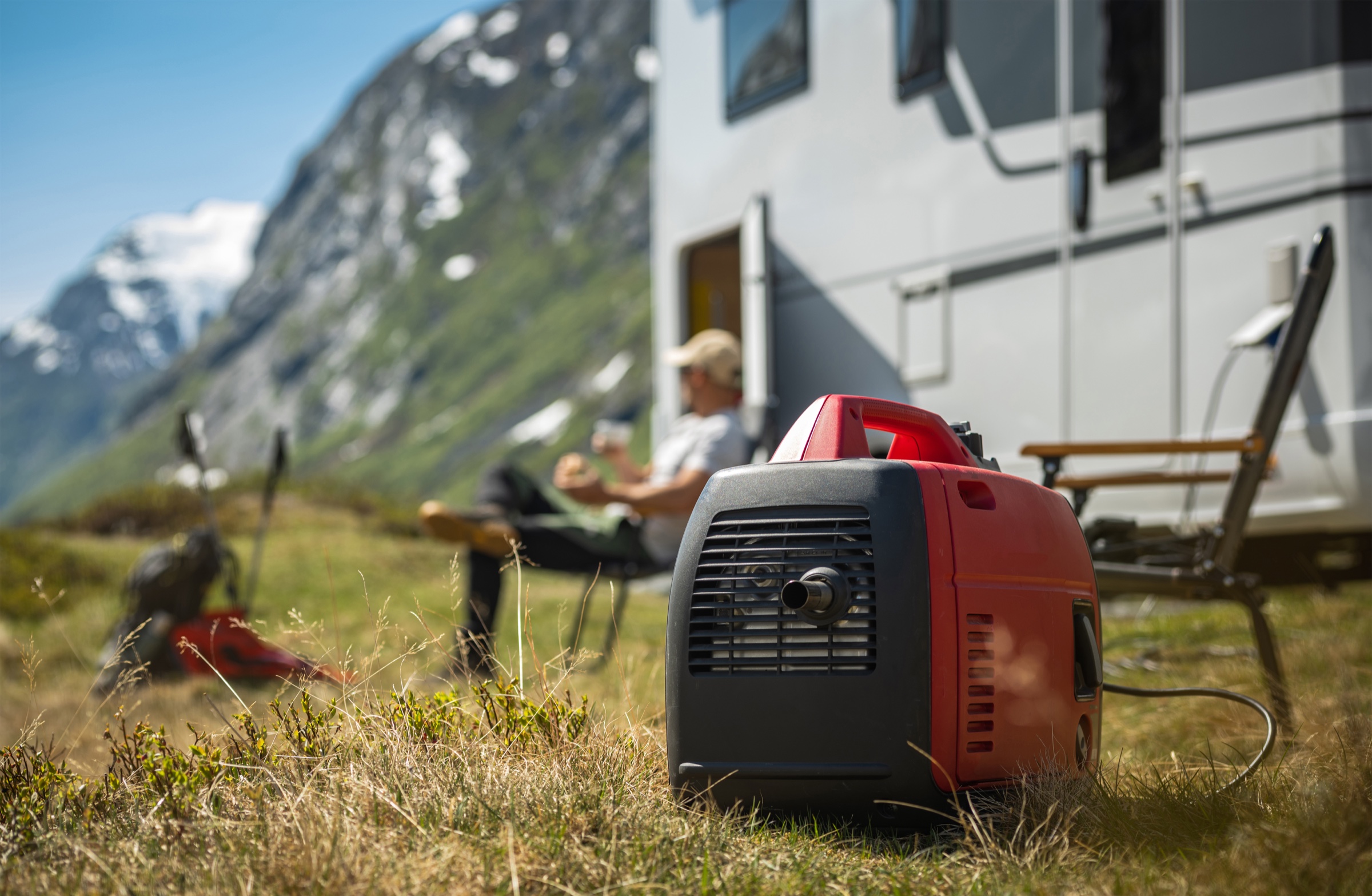
A conventional generator can make more continuous power for the purchase price. The exact model’s continuous watts, waveform or THD, noise, outlets and safety equipment still decide the purchase.
Often quieter, smaller and steadier at changing loads
Compare continuous—not headline starting—watts
The word inverter is not the complete specification
Plain languageWhat do the technical words mean?Open explanation +
- Inverter
- Electronics that convert generated power into regulated AC output.
- THD
- A measure of AC waveform distortion. Lower is generally friendlier to sensitive electronics.
- Starting watts
- A brief power reserve for devices with motors or compressors.
What does this mean
for your choice?
The designs make electricity differently
A conventional generator produces AC directly at an engine speed tied to frequency. An inverter design converts generated power through DC and back to regulated AC. That architecture can let the engine slow down when demand falls, but the quality of the result still belongs to the exact product.
Do not buy from the starting-watt headline
Running or rated watts are what the generator can support continuously. Starting watts are a short allowance for motors and compressors. Add everything that runs together, then add the largest realistic single start event and leave breathing room.
Sensitive electronics need a specification
Honda describes its inverter output as stable enough for sensitive equipment, but that is a claim about its own design—not every box called an inverter generator. Look for the exact model’s waveform or total harmonic distortion information and follow the connected-device instructions.
Noise claims need the test conditions
A smaller enclosed inverter model may be markedly quieter at light load. Compare published decibels only when distance and load are stated. An open-frame inverter can still be louder than a compact enclosed model.
Size the output before choosing the generator type.
Add only the appliances that must run together. Then add the largest single extra starting demand and practical breathing room.
A 120W fridge, 60W network and 40W lights use 220W normally. If the fridge briefly needs 600W, the starting load becomes 700W before breathing room.
Three models to compare after the calculation.
- Continuous
- 1,800 W
- Maximum
- 2,200 W
Portable 230V inverter power for camping, electronics and modest backup loads
Europe 230V · 230V · PetrolProfile and buying options →- Continuous
- 3,700 W
- Maximum
- 4,500 W
North American RV use and longer dual-fuel backup with 30A output
North America 120V · 120V · Gasoline or propaneProfile and buying options →- Continuous
- 2,600 W
- Maximum
- 3,200 W
Higher portable 230V output without moving to a large wheeled generator
Europe 230V · 230V · PetrolProfile and buying options →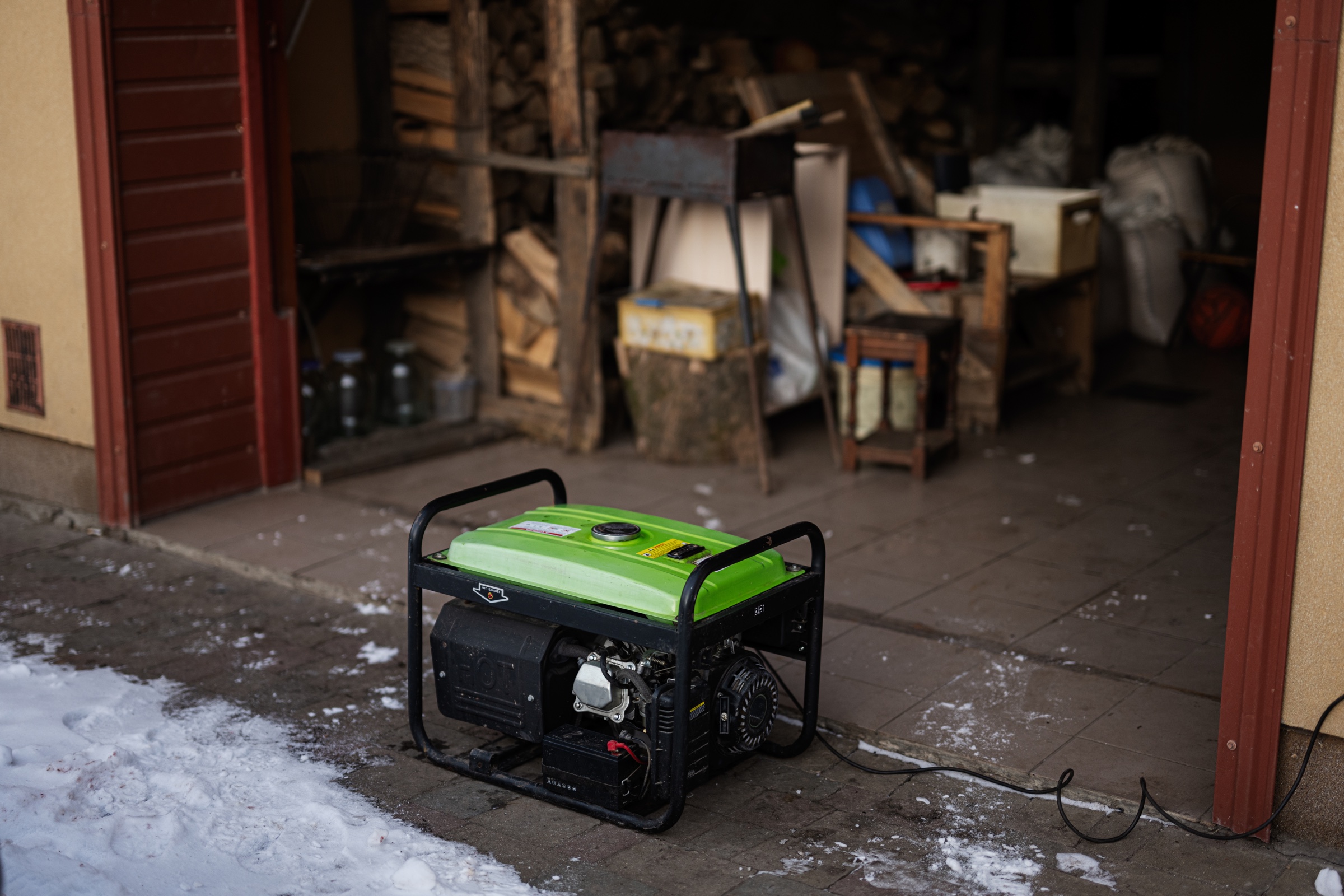
Check the complete system.
Do not tick these off in your head. Check the manuals and test the real setup before an outage.
- Continuous watts cover all simultaneous loads
- Starting watts cover the largest realistic start event
- Published power-quality or THD information for the exact model
- Noise figure includes distance and load condition
- Correct regional voltage, frequency and outlets
- CO shutoff does not replace safe outdoor placement
- Approved parallel kit if two units will be paired
- Service, parts and warranty are available locally
Clear answers
Is an inverter generator always safe for electronics?+
No universal label proves compatibility. Inverter architecture can provide stable power, but check the exact model’s power-quality specification and the instructions for the electronics or charger you will connect.
Why are inverter generators often quieter?+
Many can reduce engine speed at lower demand and use an enclosed, sound-damped case. Noise still varies by size, load and design, so compare dB figures under equivalent test conditions.
Is a conventional generator better for home backup?+
It can offer more continuous watts per purchase price, but it may be heavier and louder. Home backup also requires safe outdoor placement and an approved electrical connection; generator type does not solve those issues.
Can I connect two inverter generators together?+
Only when the manufacturer permits the exact models and specifies the parallel cable or kit. Similar wattage or matching sockets are not enough.