How long will a power station run an electric blanket?
Estimate heated-blanket runtime at 60W, 100W and 150W, then check controller behaviour, low-load shutdown and essential fire-safety guidance.
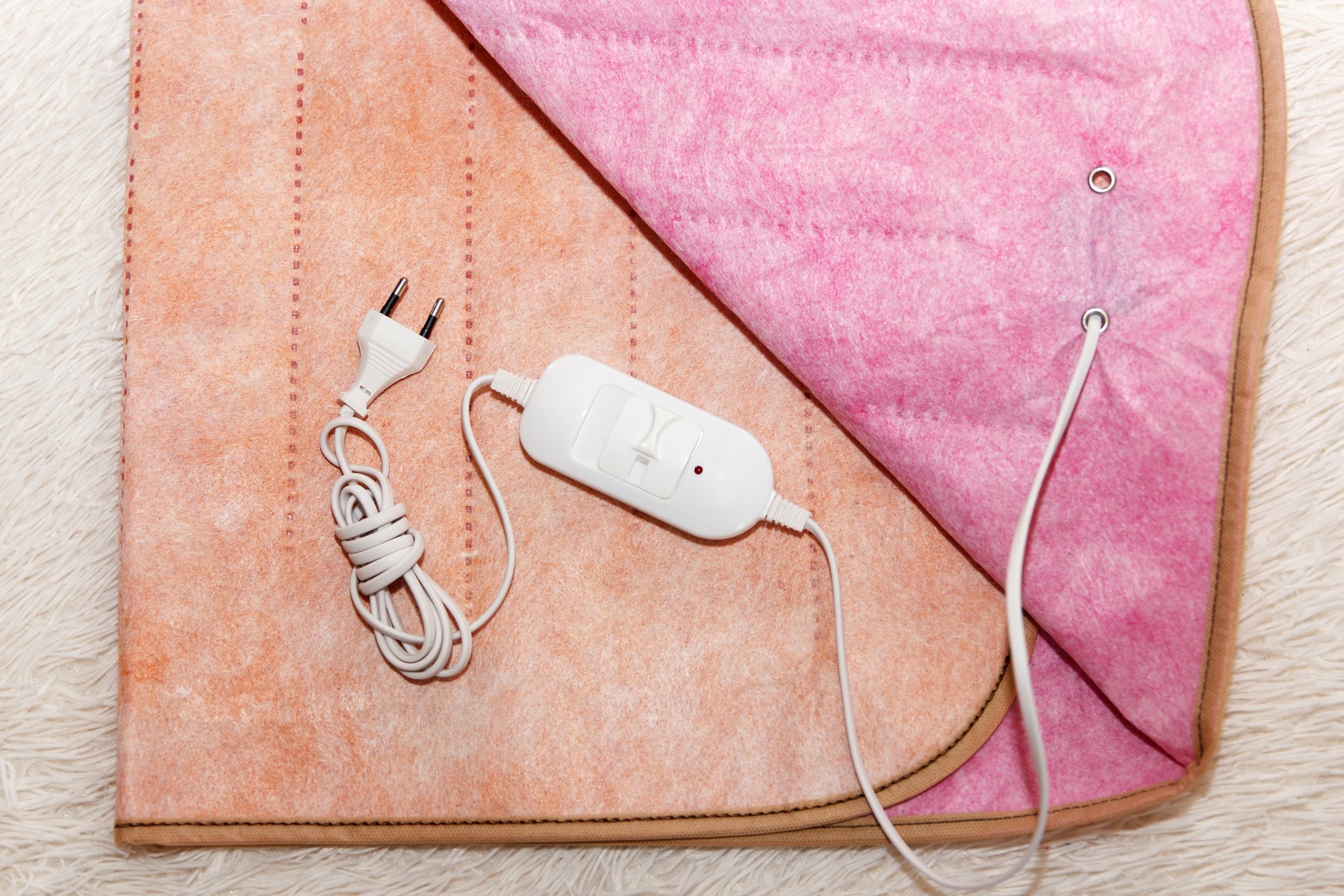
Thermostat cycling may lower the measured average, while cold batteries and inverter overhead shorten runtime.
See why this fitsElectric-blanket runtime from 800Wh
usable Wh ÷ average W = hoursUse the row closest to your situation. The explanation below shows what can move the result.
Comparison table
| Average load | Energy for 8 hours | Planned runtime | Eight-hour fit |
|---|---|---|---|
| 60W | 480Wh | 13.3 hours | Yes |
| 100W | 800Wh | 8 hours | No reserve |
| 120W | 960Wh | 6.7 hours | No |
| 150W | 1,200Wh | 5.3 hours | No |
Planning estimate only. Real runtime varies with temperature, load behavior, battery condition and conversion path.

Use your own watts, hours and reserve.
A realistic input gives you a useful range instead of a false promise.
Open Runtime Lab →What does this mean
for your choice?
Measure the controller in real use
Heat settings and thermostat cycling can make average draw differ from the label maximum. A suitable plug-in meter over a representative period gives a better runtime input.
Low load can trigger shutdown
When a controller cycles off, some power stations may interpret the temporary low draw as inactivity. Test eco mode, automatic shutdown and restart behaviour before depending on overnight heat.
Battery math does not replace blanket safety
CPSC guidance warns against damaged wiring, folding, tucking or covering heated blankets in ways that can cause overheating. Follow the exact product instructions and current safety notices.
Check the complete power path.
A large enough battery can still be the wrong setup when its output, cable or regional version does not match.
- Blanket and controller condition
- Label watts and measured average
- Station low-load shutdown behaviour
- Correct regional voltage
- Cold-weather battery reserve
- Manufacturer instructions and current recalls
Practical answers
Can a 500Wh station run an electric blanket overnight?
With 400Wh planned usable energy, it calculates to 6.7 hours at 60W or 4 hours at 100W. That does not include additional cold-weather reserve.
Why does the blanket use less than its label watts?
The controller may cycle the heating element or regulate a lower setting. Measure a representative period instead of assuming either zero draw or full draw all night.
Is it safe to place another blanket on top?
Do not assume so. CPSC guidance warns that covering, folding or tucking some electric blankets can cause overheating. Follow the exact product instructions.
Evidence and sources2 official sourcesShow sources
Stations worth checking against this calculation
These are relevant specification profiles, not automatic recommendations. Confirm energy, output protocol, cable behaviour and the exact regional model before buying.