Can a portable power station run an air compressor?
Plan air-compressor battery energy from pump run time, then treat motor startup, tank pressure and regional voltage as separate hard limits.
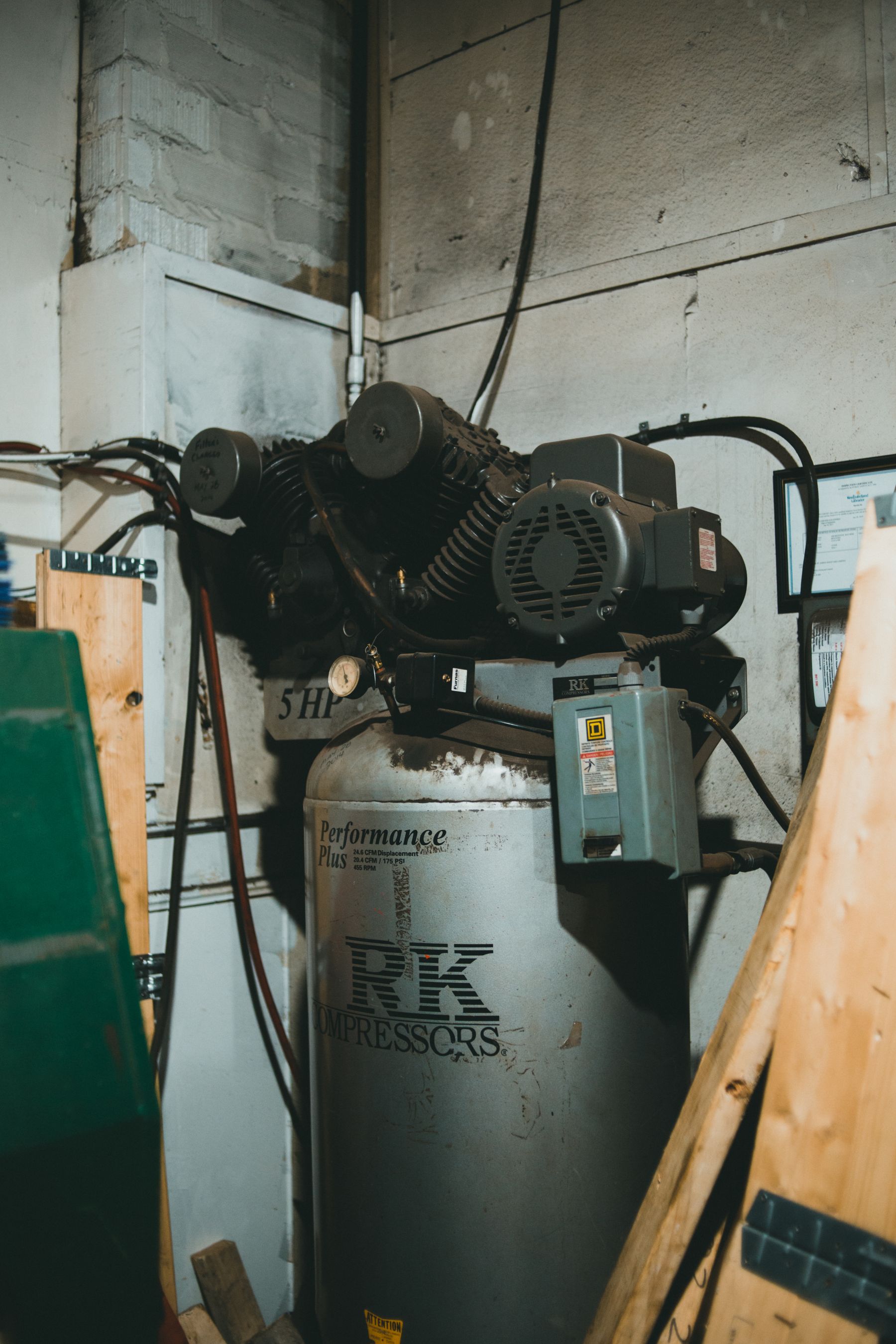
At a 1,200W example, 15 minutes of pump-on time uses 300Wh; the editable 3,600W start input is only a screening assumption and must be verified on the exact compressor.
See why this fitsBattery energy for compressor pump-on time
usable Wh ÷ average W = hoursUse the row closest to your situation. The explanation below shows what can move the result.
Comparison table
| Pump-on time | Energy at 1,200W | Rated battery at 80% | Planning context |
|---|---|---|---|
| 6 minutes | 120Wh | 150Wh | Inflation or brief top-up |
| 15 minutes | 300Wh | 375Wh | Intermittent small tasks |
| 30 minutes | 600Wh | 750Wh | Higher air demand |
| 60 minutes | 1,200Wh | 1,500Wh | Heavy pump-on time |
Planning estimate only. Real runtime varies with temperature, load behavior, battery condition and conversion path.

Brief peaks can matter more than the average load.
Use the running watts for energy and the highest starting demand for output sizing.
Open Runtime Lab →What does this mean
for your choice?
Startup is usually the binding check
A compressor motor can draw several times its running current for a short period. The station must handle the real event—not merely show enough watt-hours or a large marketing surge figure.
Pressure changes the next start
A restart against tank or head pressure can be harder than an unloaded first start. Unloader operation, temperature, extension leads and supply voltage all affect the result; do not extrapolate one easy start to every condition.
Air demand sets the energy budget
Tank capacity stores compressed air but does not reveal daily electricity use. Time the pump over a representative task, then multiply measured input by pump-on hours and retain a reserve.

Check the complete power path.
A large enough battery can still be the wrong setup when its output, cable or regional version does not match.
- Exact compressor voltage, amps or watts
- Station ordinary continuous output
- Verified cold and pressure restart
- Pump-on duty cycle for the tool
- Outlet and extension-lead limits
- Ventilation, draining and manufacturer instructions
Practical answers
Will a 3,000W station run every 1,200W compressor?
No. The running comparison looks comfortable, but the exact motor start, restart under pressure and station protection response can still reject the load.
How long will a 1,000Wh station run the compressor?
Using 800Wh planned usable energy and a 1,200W pump example gives about 40 minutes of total pump-on time. Elapsed job time can be much longer when the pump cycles off.
Does a bigger tank need more inverter output?
Not automatically. Tank size mostly changes storage and cycling; motor electrical specifications and restart conditions determine inverter demand. Check the exact model.
Evidence and sources3 official sourcesShow sources
Stations worth checking against this calculation
These are relevant specification profiles, not automatic recommendations. Confirm energy, output protocol, cable behaviour and the exact regional model before buying.