Connectivity
Starlink Mini
Manufacturer-sourced range- Typical range
- 25–40 W
- Starting value
- 40 W
- Brief peak
- 60 W
Check and edit these values once you have a nameplate or measurement.
Choose your camera battery and the gear you take. We calculate the energy reserve, charging route and suitable portable-power options.
Suggested power stations come from the documented Australian product records: only the records tied to an official Australian source carry an Australian-execution claim, while every other model needs its own 230V/50Hz Type I verification, RCM evidence, responsible-supplier check and included-lead check. No stock, price, seller, delivery or warranty status is asserted.
Build my shoot plan ↓No technical knowledge required · every value remains editable
Start with the closest situation. You can change every number in the next step.
Counts are per day. We include charging loss and add a 20% reserve.
Charging a flash battery or using a studio flash: choose the right calculation.
Enter your studio flash’s details. You can also choose an exact model in the device finder below.
Enter valid values for flash energy, flash count, modeling light and duration. Leave an unknown electrical peak blank.
Electrical peak still unknown: this energy calculation does not confirm that a power station can power your flash.
A cold or older battery can supply less energy.
The estimate uses the battery data and calculation assumptions shown with this result. That is not a measurement of the battery’s current condition. Cold and battery ageing are not calculated separately.
Cold is not the same as wear. Cold can temporarily limit the available energy and the power that can be delivered. Ageing can permanently reduce the storage capacity, even when the screen shows ‘100% charged’.
Follow the temperature limits for charging and using from the manual of your model. Check important applications with your own setup.
More about our battery assumptionsThis separate calculation is not added to your charging plan automatically. Do not also count charging the same flash battery.
Add equipment that is not listed above, such as a photo printer or monitor.
Exact models show their source. If the model is not indexed yet, use an editable category estimate instead.
8 of 27 results shown · search or filter to narrow the list
Check and edit these values once you have a nameplate or measurement.
Check and edit these values once you have a nameplate or measurement.
Check and edit these values once you have a nameplate or measurement.
Check and edit these values once you have a nameplate or measurement.
Check and edit these values once you have a nameplate or measurement.
Check and edit these values once you have a nameplate or measurement.
Check and edit these values once you have a nameplate or measurement.
Check and edit these values once you have a nameplate or measurement.
That covers about 76Wh per day, charging loss and a 20% reserve.
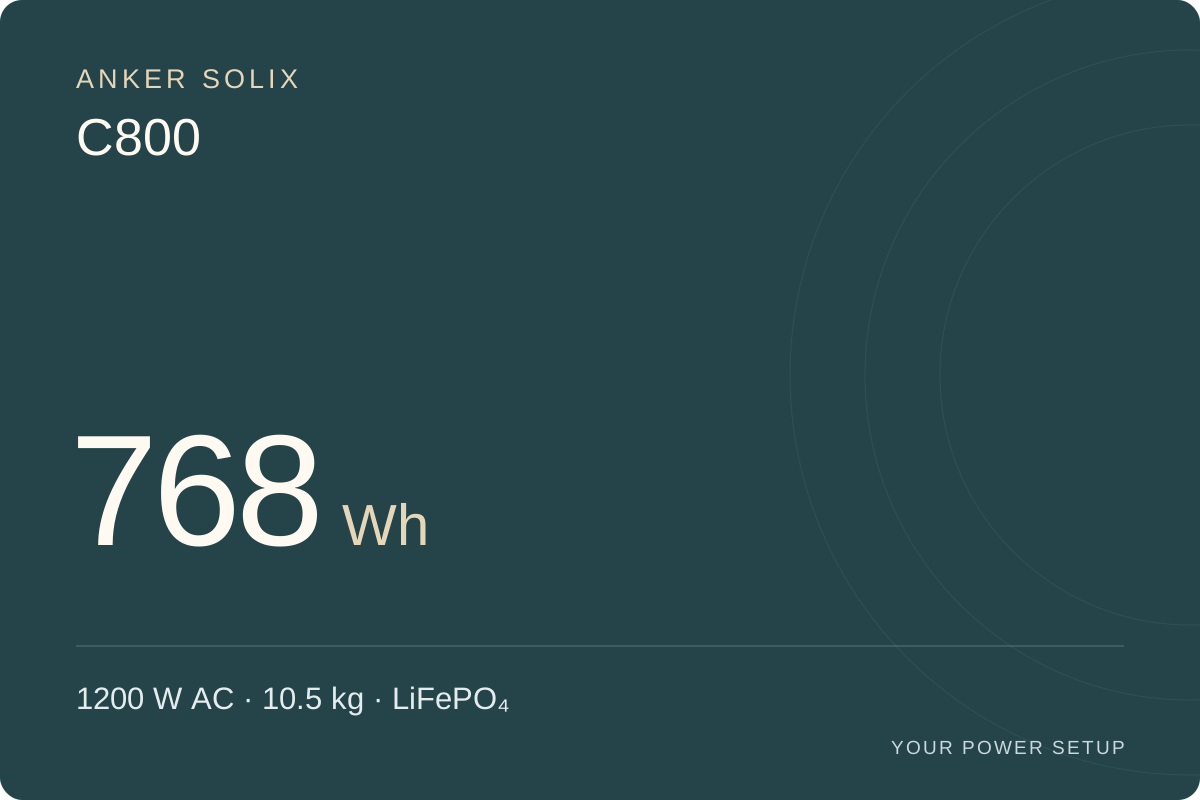
We compare stored energy and output first. Confirm the exact charger, cable, regional model and retailer before buying.
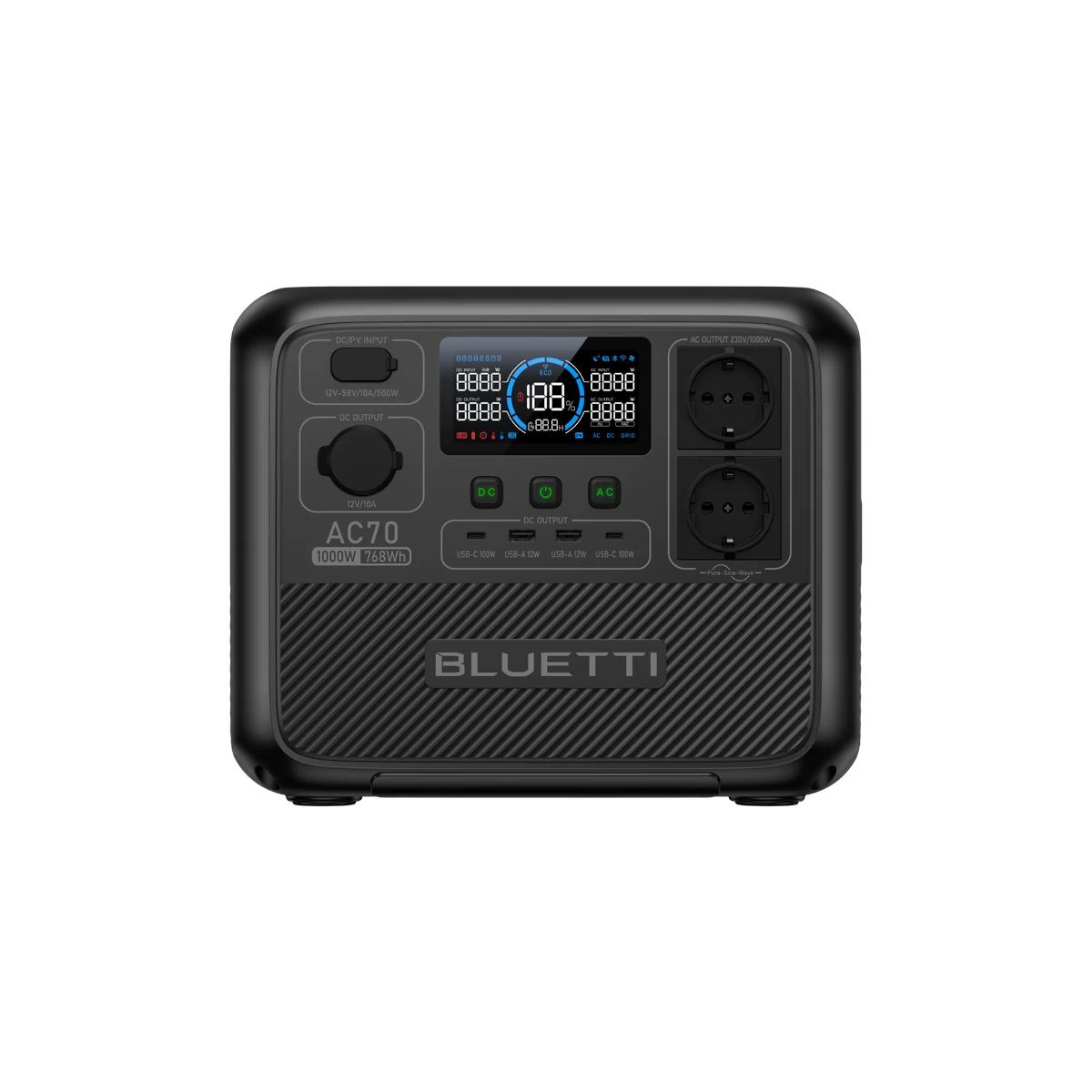
EU version shown; check the connector, plug type and certification for your own region.BLUETTI ↗
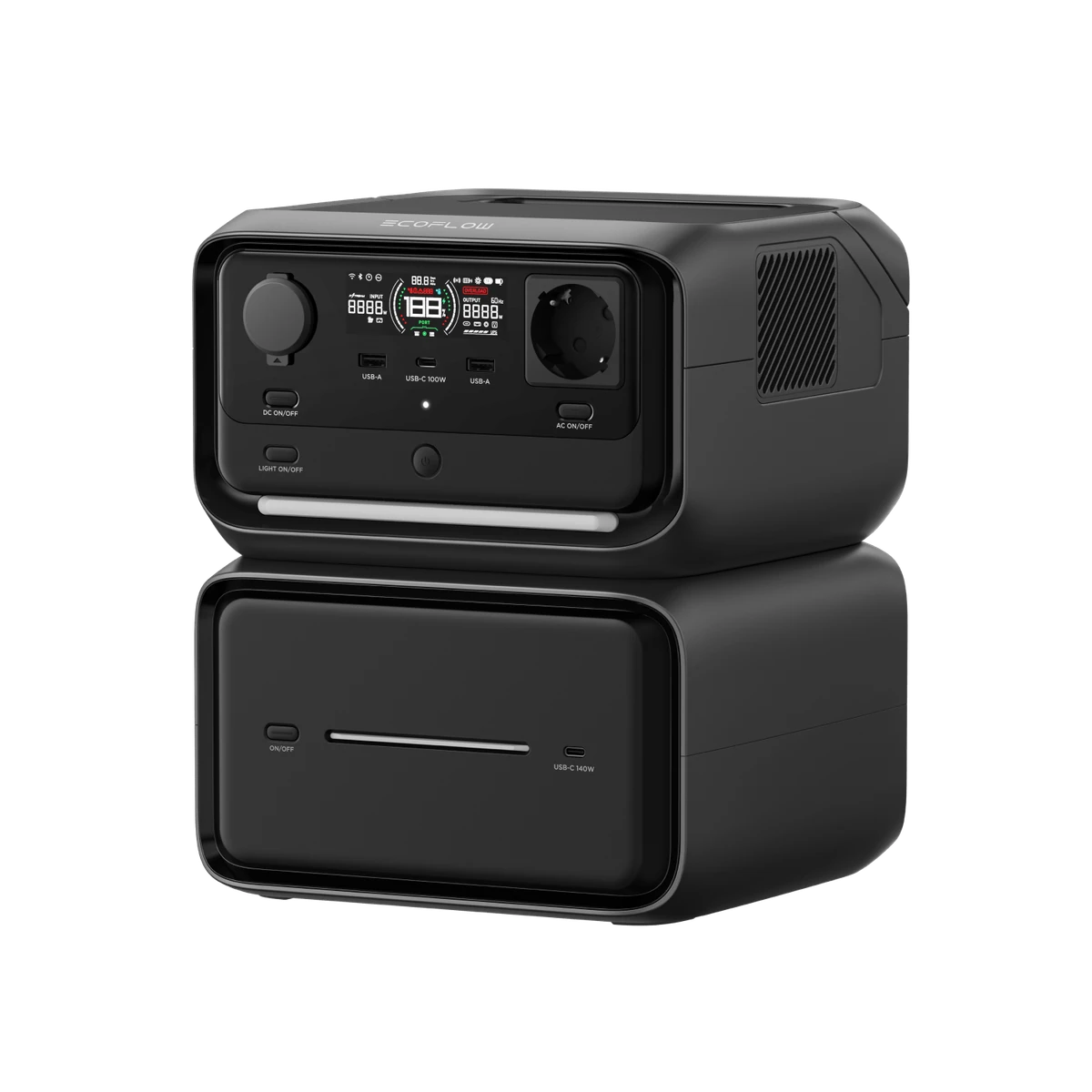
EU version shown; check the connector, plug type and certification for your own region.EcoFlow ↗
Sony publishes 16.4Wh for the NP-FZ100. Fujifilm publishes 16Wh for the NP-W235. Generic presets are editable planning values, not a claim about a specific product. Laptop, phone, drone and light values are conservative starting points and should be replaced with the exact label or manual when the shoot matters.