Can a portable power station run a sump pump?
Plan sump-pump backup from running watts, startup power and minutes per cycle, with conservative cycle counts and flood-safety boundaries.
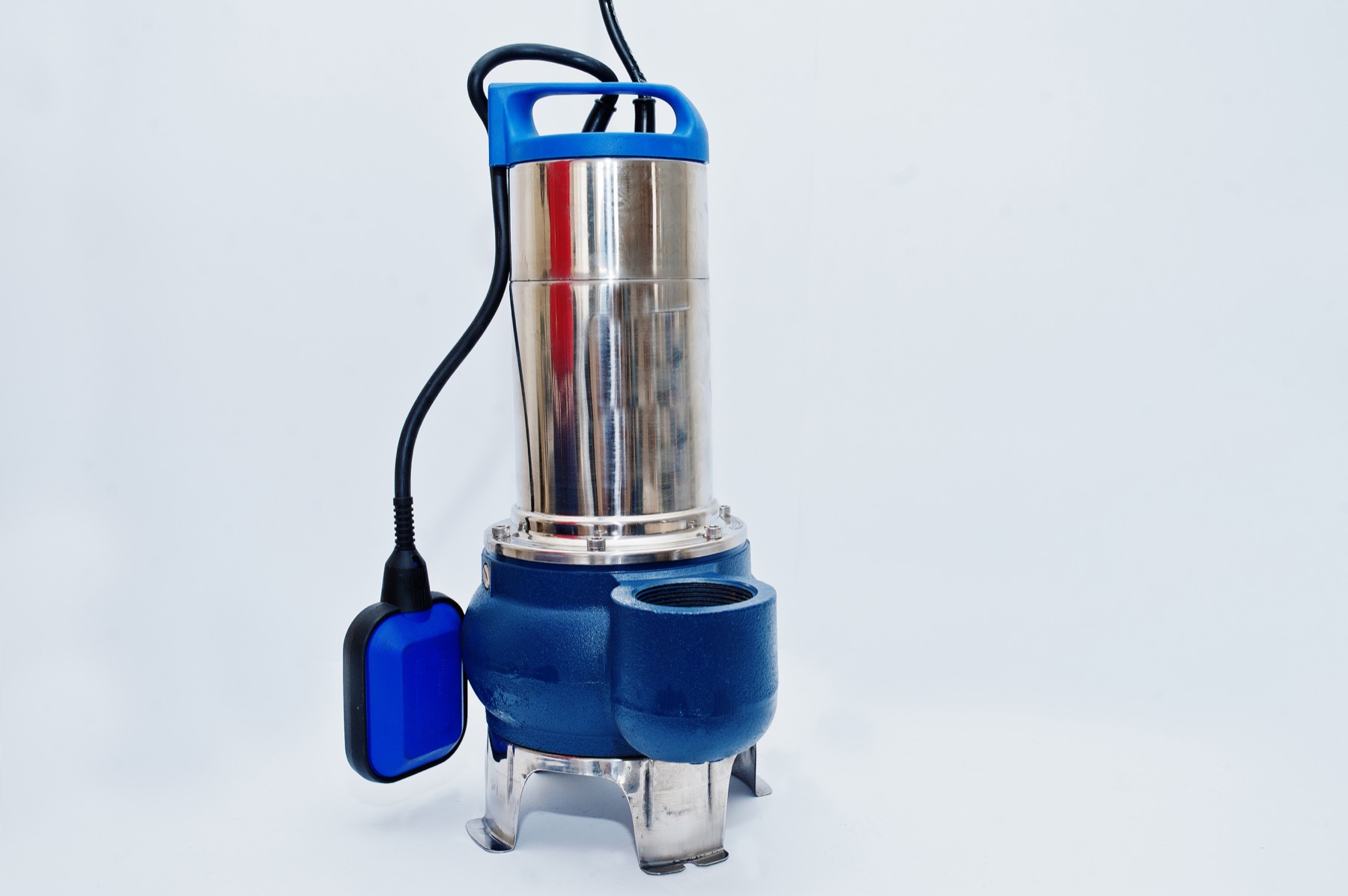
In an illustrative 800W running example, five minutes of pumping uses about 67Wh. A 1,000Wh station with 800Wh planned usable energy covers roughly 12 such cycles before additional losses or reserve.
See why this fitsIllustrative five-minute pump cycles
usable Wh ÷ average W = hoursUse the row closest to your situation. The explanation below shows what can move the result.
Comparison table
| Running load | Energy per cycle | Cycles from 800Wh | Runtime if continuous |
|---|---|---|---|
| 600W | 50Wh | 16 cycles | 1.3 hours |
| 800W | 66.7Wh | 12 cycles | 1 hour |
| 1,000W | 83.3Wh | 9.6 cycles | 0.8 hours |
| 1,500W | 125Wh | 6.4 cycles | 0.5 hours |
Planning estimate only. Real runtime varies with temperature, load behavior, battery condition and conversion path.

Use your own watts, hours and reserve.
A realistic input gives you a useful range instead of a false promise.
Open Power Planner →What does this mean
for your choice?
Output comes before capacity
Pump motors can demand substantially more power at startup than while running. A large watt-hour label does not help if the inverter cannot start the exact pump reliably.
Water inflow sets the energy budget
Five-minute cycles are only an example. Heavy rain, a rising water table, head height and discharge restrictions may make the pump run longer or nearly continuously.
A power station is not the complete flood plan
Keep the battery dry, follow electrical and flood-safety guidance, and maintain a dedicated backup appropriate to the property. Test transfer and automatic restart before severe weather.
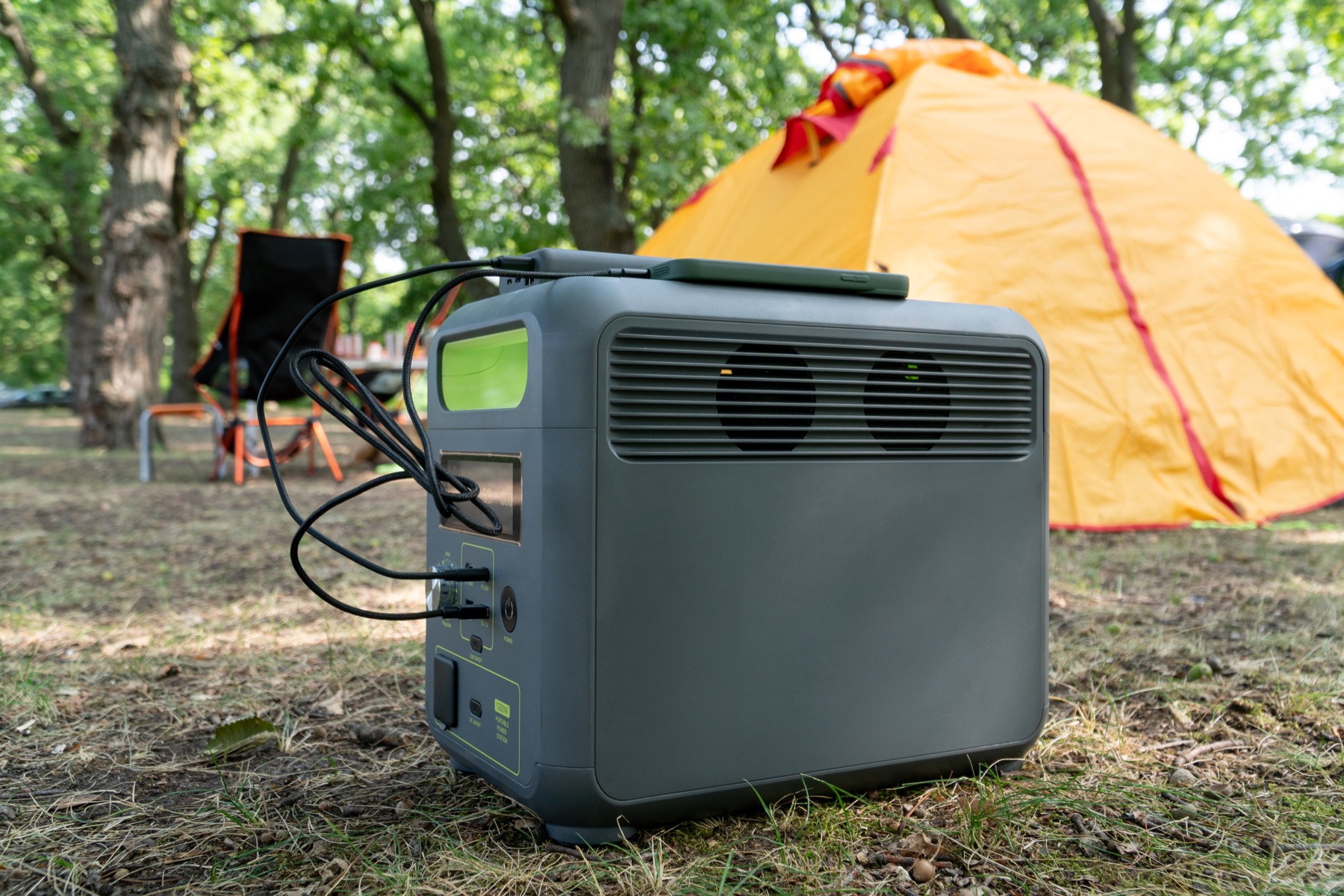
Check the complete power path.
A large enough battery can still be the wrong setup when its output, cable or regional version does not match.
- Pump running watts and startup current
- Station ordinary continuous and surge limits
- Expected minutes and cycles during severe weather
- Dry and safe battery location
- Automatic restart after overload or transfer
- A dedicated backup and maintenance plan
Practical answers
How big a power station do I need for a sump pump?
Start with the pump’s startup requirement, then calculate energy from running watts × total pumping hours. Add reserve because storm inflow and cycle frequency are uncertain.
Is surge wattage enough to prove compatibility?
No. Surge duration, motor characteristics and the station’s protection behavior matter. Test the exact pump and station together under realistic conditions.
Can I leave a portable power station on the basement floor?
Do not place electrical backup equipment where floodwater may reach it. Follow the manufacturer, electrician and local flood-safety guidance for location and connection.
Evidence and sources2 official sourcesShow sources
Australian product candidates are not activated yet.
The calculation remains useful, but no shared product card is presented as an Australian candidate until the exact 230V/50Hz Type I execution, RCM/responsible supplier, local warranty and retailer route are verified.