10,000mAh vs 20,000mAh power bank: which size do you need?
Compare 10,000mAh and 20,000mAh power banks using rated watt-hours, estimated phone charges, USB-C output and carry trade-offs.
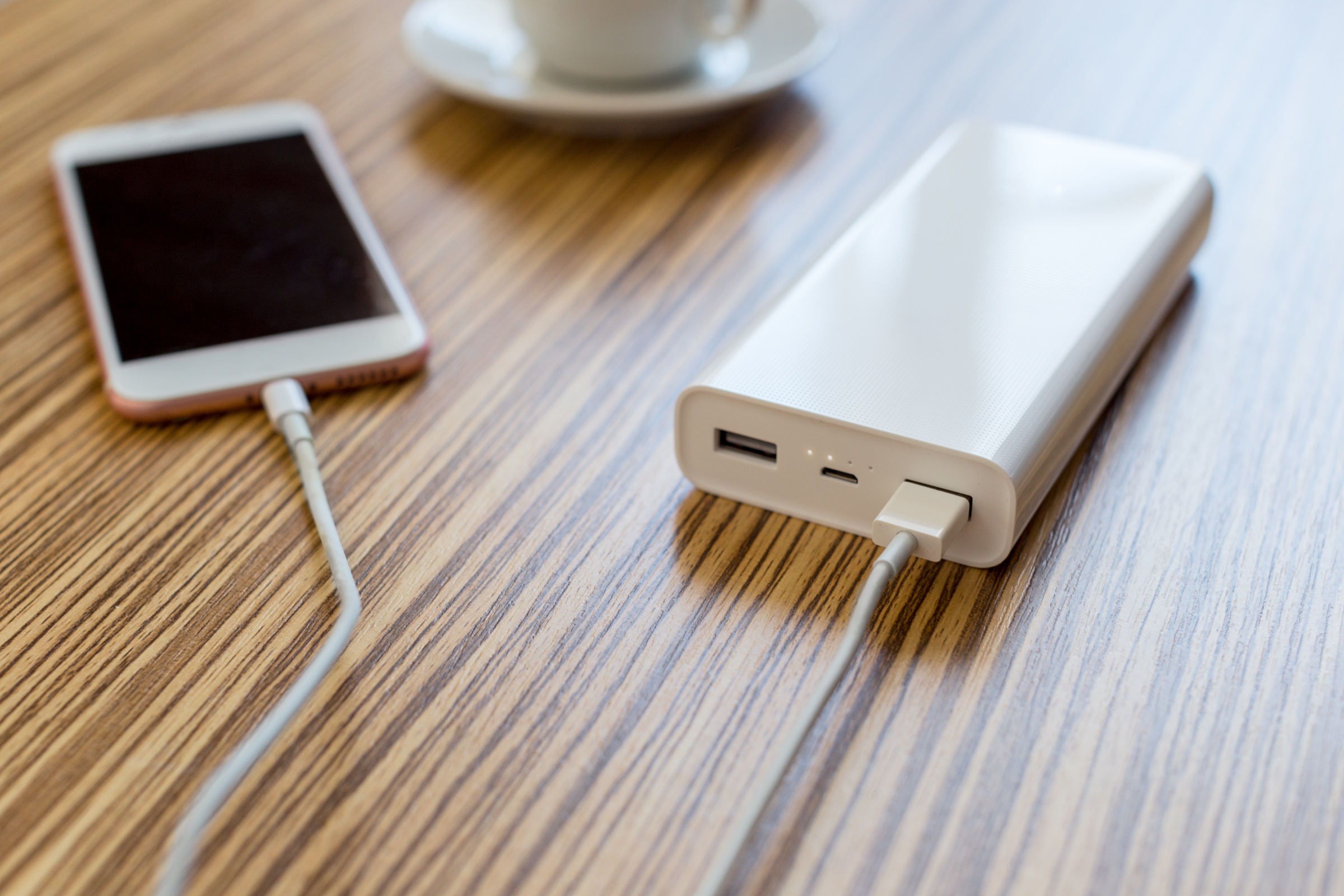
A 20,000mAh pack roughly doubles the energy to around 3.6–3.7 charges, but output wattage, ports and weight remain separate buying decisions.
See why this fitsWhat doubling capacity changes
rated Wh × usable share ÷ device WhUse the row closest to your situation. The explanation below shows what can move the result.
Comparison table
| Capacity class | Rated energy | Usable at 75% | 15Wh phone equivalents |
|---|---|---|---|
| 10,000mAh | 36Wh | 27Wh | 1.8 charges |
| 10,000mAh | 37Wh | 27.75Wh | 1.9 charges |
| 20,000mAh | 72Wh | 54Wh | 3.6 charges |
| 20,000mAh | 74Wh | 55.5Wh | 3.7 charges |
Planning comparison only. Delivered energy varies with voltage conversion, cable loss, temperature, battery condition and device behavior.
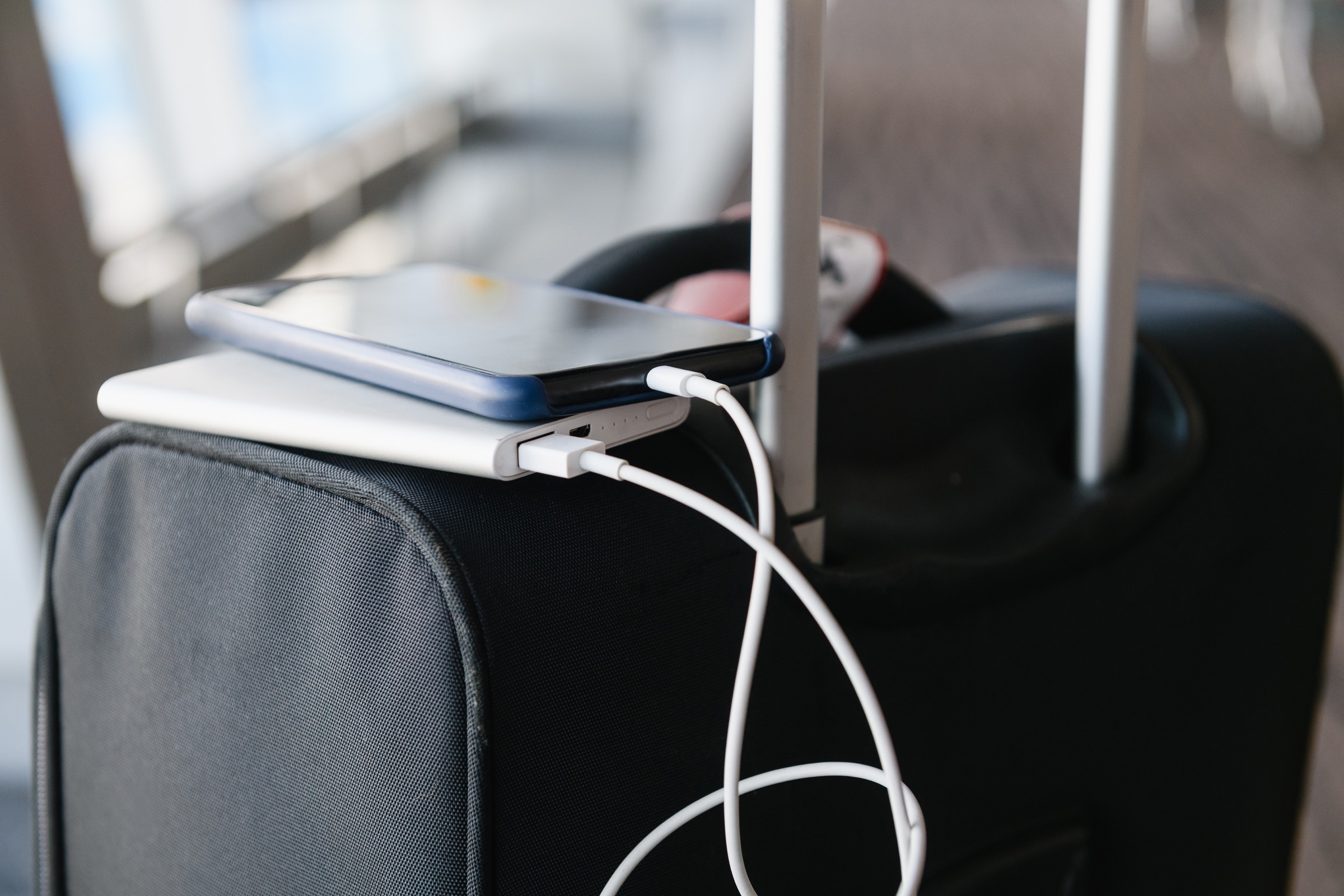
Start with the device you actually want to charge.
Energy, USB-C output and the cable you carry matter more than a large number printed on the listing.
Open Power Bank Finder →What does this mean
for your choice?
Choose energy from your real trip
One commuting day, a weekend and a multi-device trip are different jobs. Add the watt-hours required by every device, then retain a margin for conversion loss and unexpected use instead of choosing the largest label automatically.
Capacity does not determine charging speed
A 20,000mAh pack can have a slower USB-C port than a 10,000mAh pack. Check the fastest single-port output, supported Power Delivery profile and multi-port sharing table after choosing the energy class.
The best pack is one you will carry
Twice the energy usually brings more mass and volume. A smaller pack that is routinely in your bag can be more useful than a larger one left at home, while long travel and laptop use often justify the extra reserve.
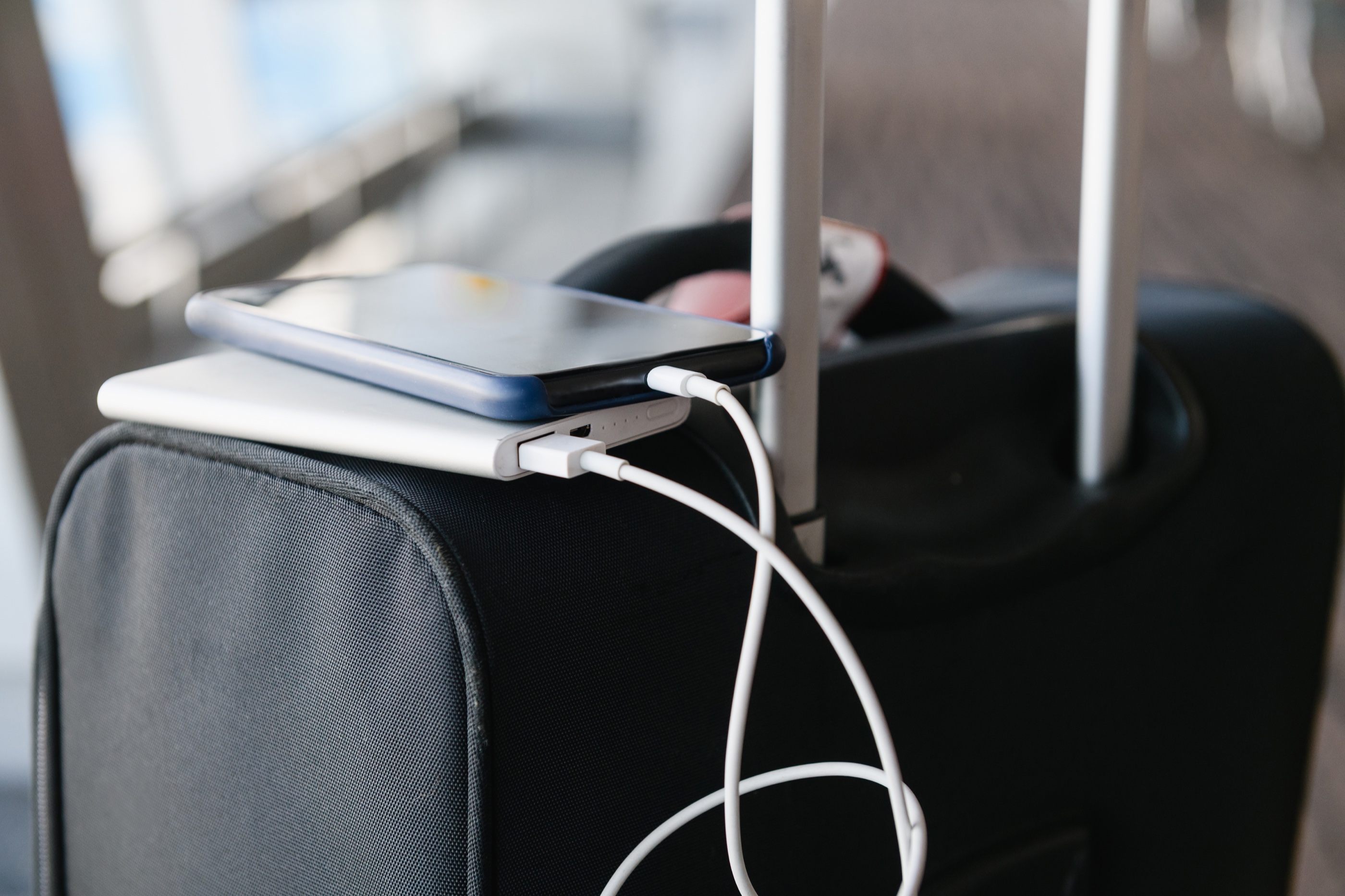
Check the complete power path.
A large enough battery can still be the wrong setup when its output, cable or regional version does not match.
- Rated Wh rather than mAh alone
- Total device energy for the trip
- Fastest individual USB-C output
- Output split with several devices
- Built-in or separate cable
- Exact model, regional listing and seller
Practical answers
Does 20,000mAh give exactly twice as many charges as 10,000mAh?
Similar models at similar efficiency should be close, but rated Wh, conversion efficiency, output voltage, cable loss and device use keep it from being an exact universal ratio.
Is 10,000mAh enough for a weekend?
It can be for one efficient phone with moderate use. In our 37Wh example it represents about 1.9 full 15Wh-phone charges, so start from the number of full-charge equivalents you actually need.
Is a 20,000mAh power bank automatically good for laptops?
No. It has more energy, but the laptop must accept USB-C charging and the pack, port and cable must supply the required Power Delivery wattage and voltage profile.
Evidence and sources3 official sourcesShow sources
Australian product candidates are not activated yet.
The calculation remains useful, but no shared product card is presented as an Australian candidate until the exact 230V/50Hz Type I execution, RCM/responsible supplier, local warranty and retailer route are verified.