Can a portable power station run a coffee maker?
Check coffee-maker inverter output and calculate the surprisingly small energy budget of a short brewing cycle using transparent 1,200W examples.
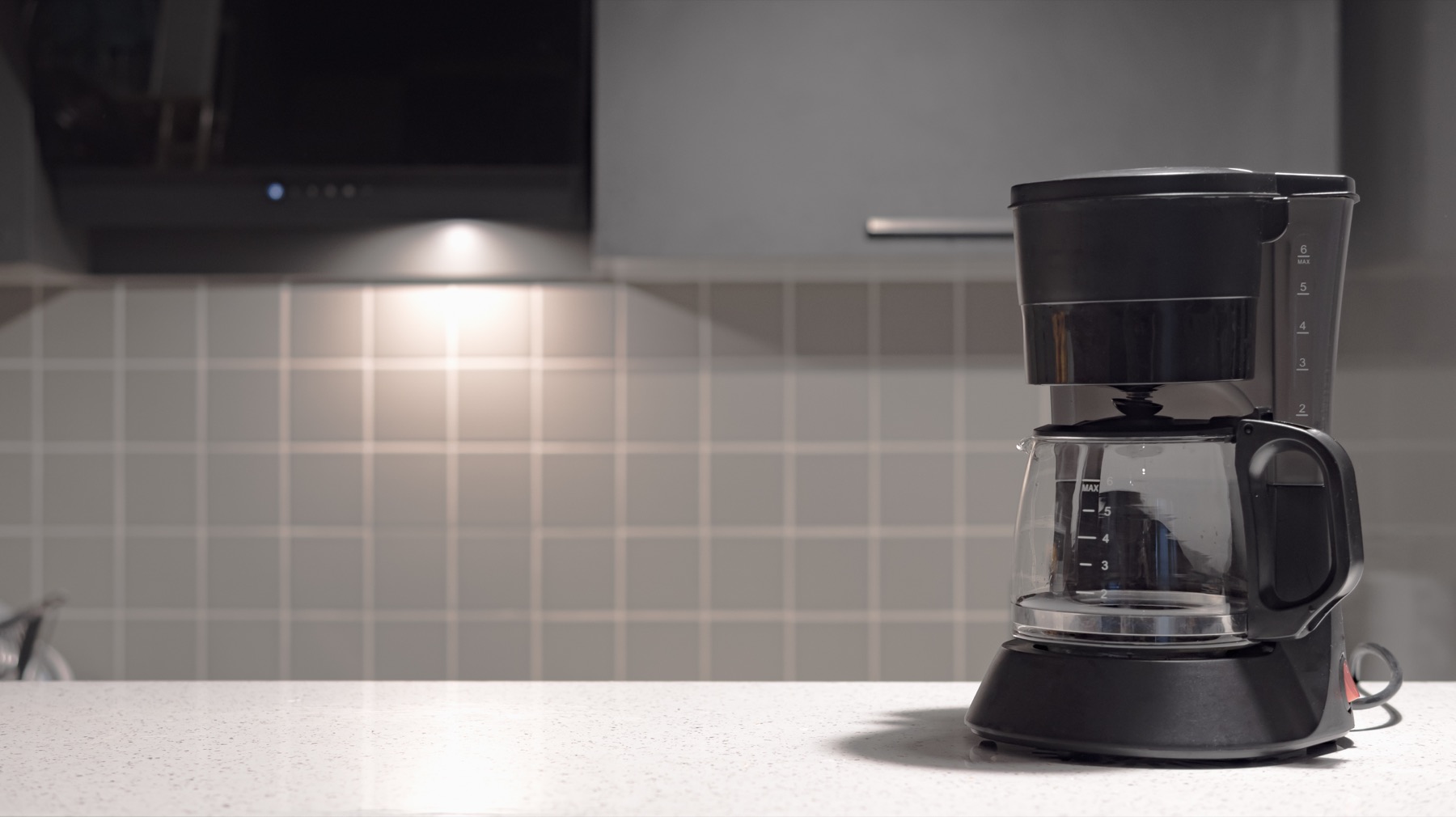
At 1,200W, five minutes of heating consumes about 100Wh and ten minutes consumes 200Wh. The station still needs at least 1,200W of ordinary continuous AC output for this example.
See why this fitsEnergy used by a 1,200W coffee maker
usable Wh ÷ average W = hoursUse the row closest to your situation. The explanation below shows what can move the result.
Comparison table
| Heating time | Energy at appliance | Share of 400Wh | Energy remaining |
|---|---|---|---|
| 3 minutes | 60Wh | 15% | 340Wh |
| 5 minutes | 100Wh | 25% | 300Wh |
| 10 minutes | 200Wh | 50% | 200Wh |
| 20 minutes | 400Wh | 100% | 0Wh |
Planning estimate only. Real runtime varies with temperature, load behavior, battery condition and conversion path.
Brief peaks can matter more than the average load.
Use the running watts for energy and the highest starting demand for output sizing.
Open Runtime Lab →What does this mean
for your choice?
The inverter is the first check
Heating elements draw close to their rated power while active. Compare the appliance label with ordinary continuous AC output, not a temporary lifting or marketing mode.
Warm-hold time can exceed brew time
A hot plate may cycle after brewing and consume additional energy. Switching it off or using an insulated carafe changes the energy budget, but follow the appliance instructions.
Regional voltage still matters
A 120V coffee maker and a 230V coffee maker are not interchangeable. Use the correct regional appliance and power-station version rather than relying on a plug-shape adapter.
Check the complete power path.
A large enough battery can still be the wrong setup when its output, cable or regional version does not match.
- Coffee-maker label watts
- Station ordinary continuous AC output
- Total heating and keep-warm minutes
- Correct regional voltage and outlet
- Other simultaneous loads
- Battery reserve after brewing
Practical answers
Will a 500W power station run a coffee maker?
Not a typical 1,000–1,500W heating appliance. The watt-hour capacity may be enough for one brew, but the inverter output must meet the coffee maker’s live wattage.
How many cups can a 500Wh station make?
Cup count is not the best input. Measure or time the heater. With 400Wh planned usable energy, a 1,200W heater has about 20 minutes of total on-time before additional reserve.
Does a higher-watt coffee maker always use more battery?
Not necessarily. A higher-power heater may finish sooner. Total energy depends on watts multiplied by the actual time the heater and hot plate are active.
Evidence and sources1 official sourceShow sources
Stations worth checking against this calculation
These are relevant specification profiles, not automatic recommendations. Confirm energy, output protocol, cable behavior and the exact regional model before buying.