What else does your backup setup need?
Light, communication and suitable cables. Plan what your setup needs; you do not need every category.
Three parts of the plan.
Light and communication
See clearly and stay reachable.
- When the lights go out
Efficient lighting
Include the lights in your energy plan.
Plan my lighting - For your phone and small devices
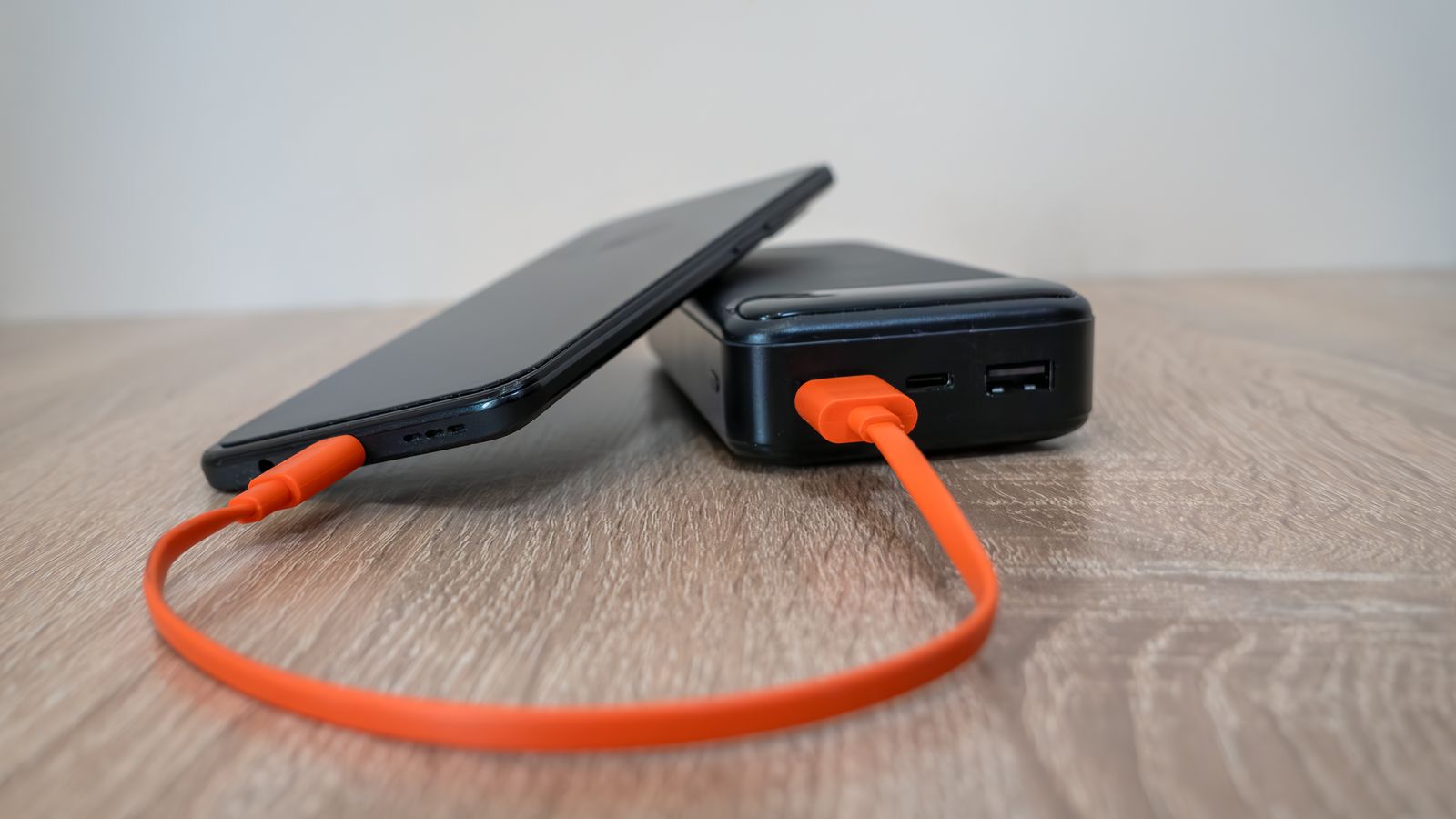
Communication and spare batteries
Estimate the charging reserve you need.
Find a power bank
Cables and distribution
From the source to your devices.
- When the device is further away
Extension cords
Check length, load and plug type.
View cord references - For a longer cable route
Cable reels
Check both wound and unwound ratings.
View reel references - When connecting several devices
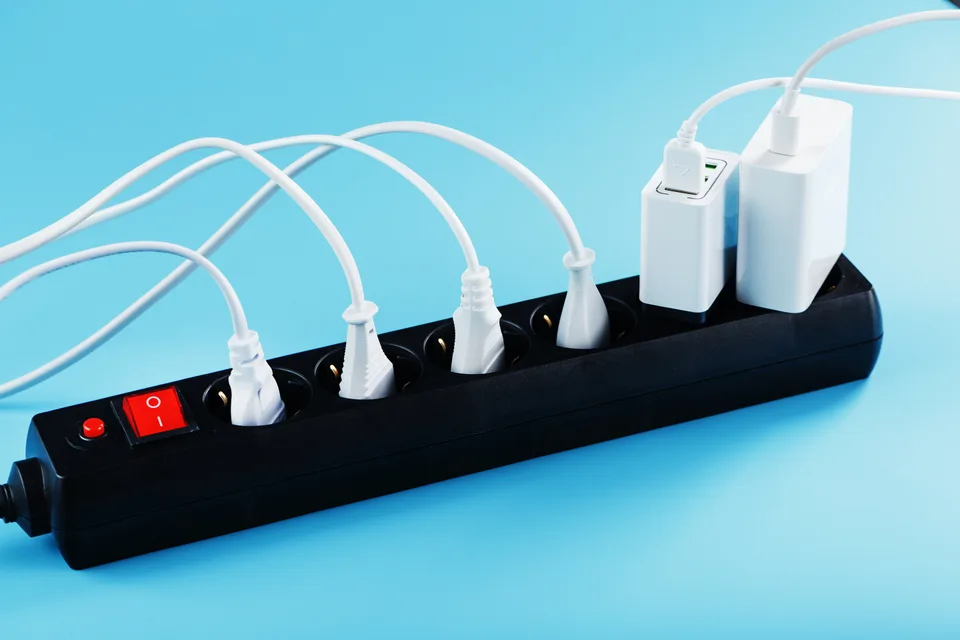
Safe power distribution
Check connections and total load.
Check the connection guidance
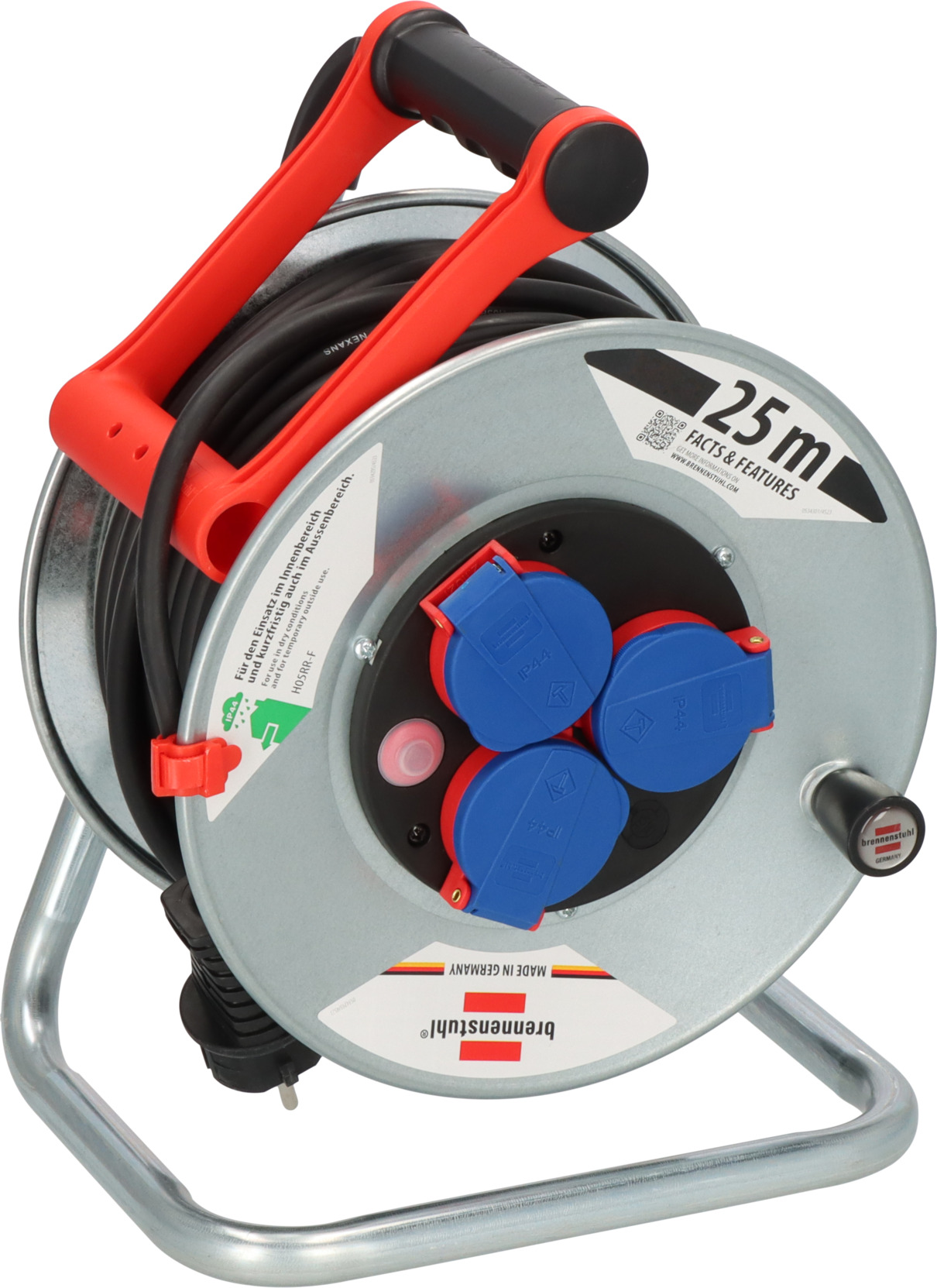
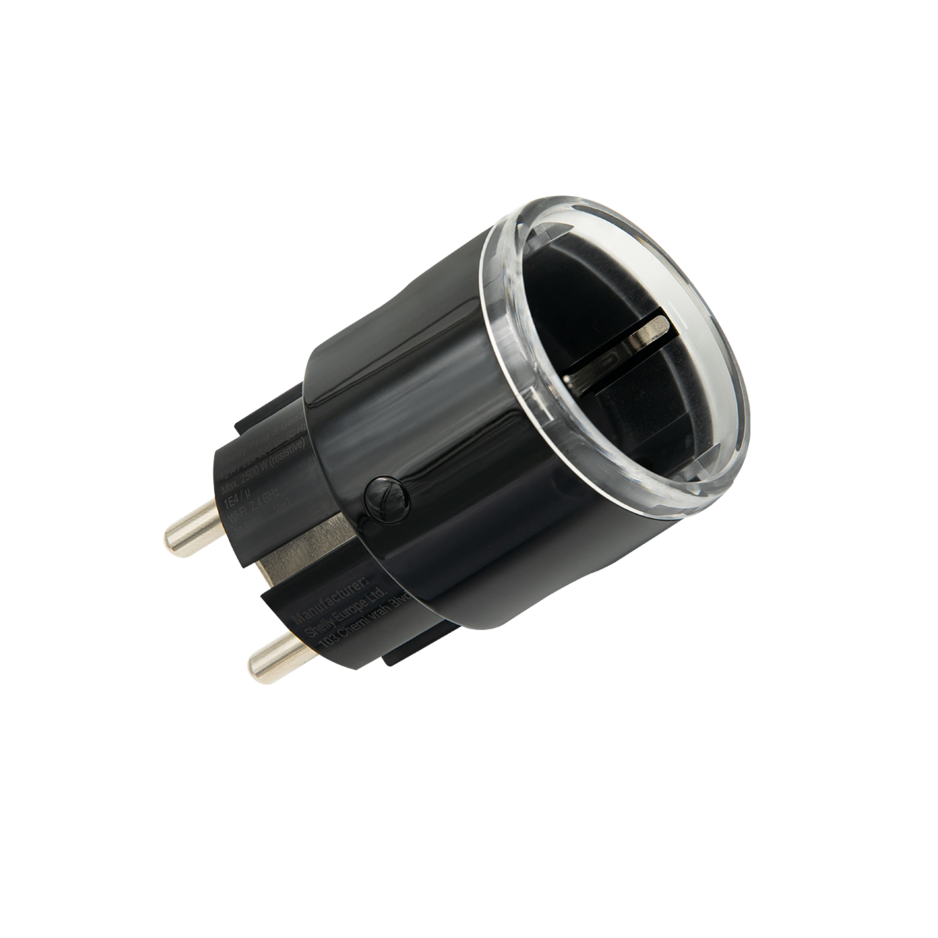 Reference photograph: EU-Schuko execution. This does not establish Philippine plugs or package contents.
Measure and protect
Know the load and the checks that matter.
- When the load is unknown
Measure consumption
Use measured values in your plan.
Find a power meter - Where cables cross a walking route
Cable protection
Check protection for the cable route.
View cable protection - When using a fuel-powered generator
CO alarms
An alarm never replaces safe outdoor placement.
View CO alarm references
Use the actual source voltage and cable ratings below. The catalogue retains each source model’s own region.
Choose the cable before you need it.
Enter the highest load that may run through this one cord—not the power station’s maximum output.
Enter values from the source manual and the labels on the cord, plugs and equipment. The cross-section below is the reference conductor used by this calculation, not a Philippine product recommendation or wiring standard. Voltage drop is estimated for that reference conductor; temperature, connections and actual cable specifications need separate checks.
Check labels, plugs and manuals. Do not daisy-chain extension cords.
Calculation and connection checks
Planning aid only: verify the cord’s printed rating, plug standard and the manuals of every connected product.
Explore the technical references.
Choose a category. Each record keeps its source specifications and separate local buying-verification status.
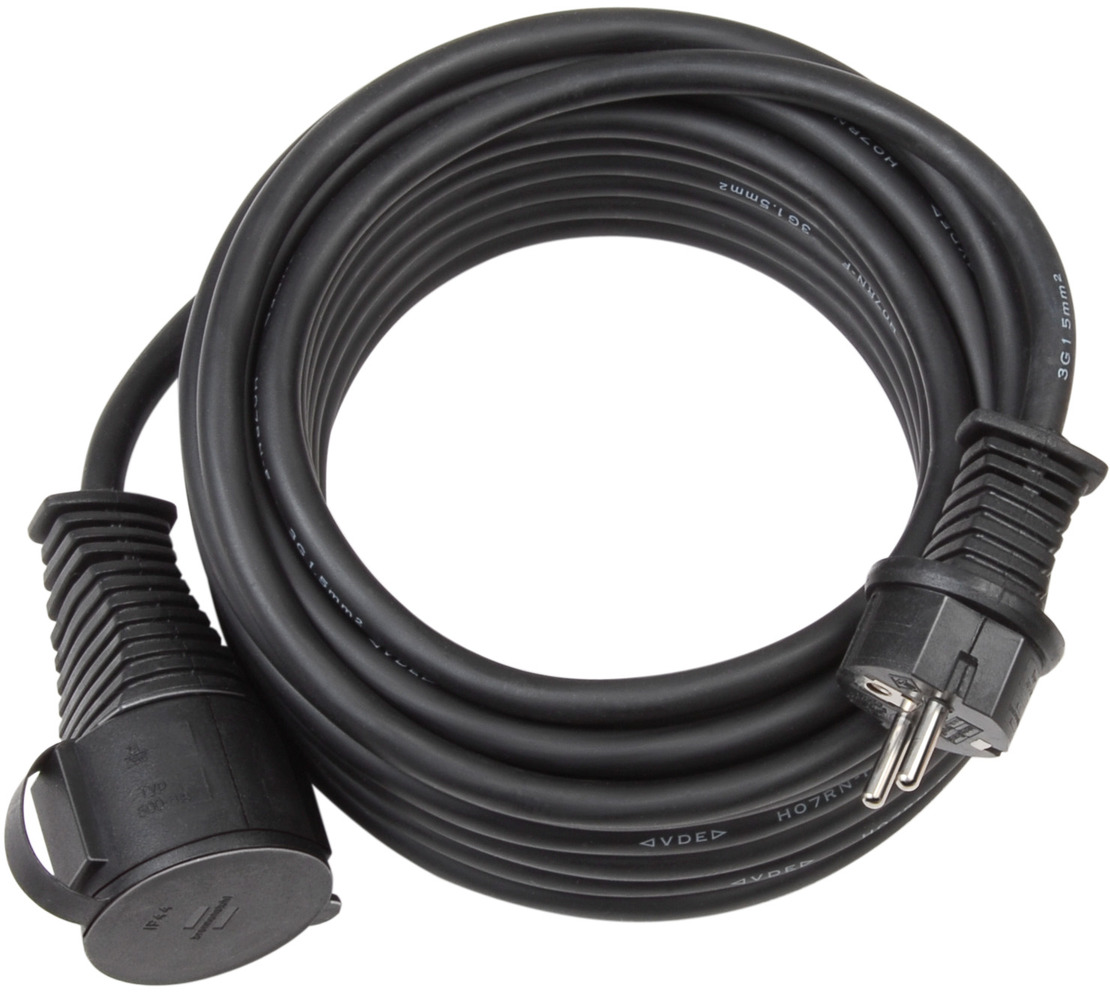
Brennenstuhl
Building Site Extension Cable 25m H07RN-F 3G1.5
More specifications
- Cable
- H07RN-F 3G1.5
- Length
- 25m
- Weather rating
- IP44
A long, rubber-jacketed outdoor route for a moderate 230V load.
Brennenstuhl
Garant S IP44 Cable Reel 25m H05RR-F 3G1.5
More specifications
- Sockets
- 3 × Type F
- Protection
- Overheat/overload cut-out
- Weather rating
- IP44
A portable 230V reel where the printed wound and unwound limits are easy to verify.
Southwire
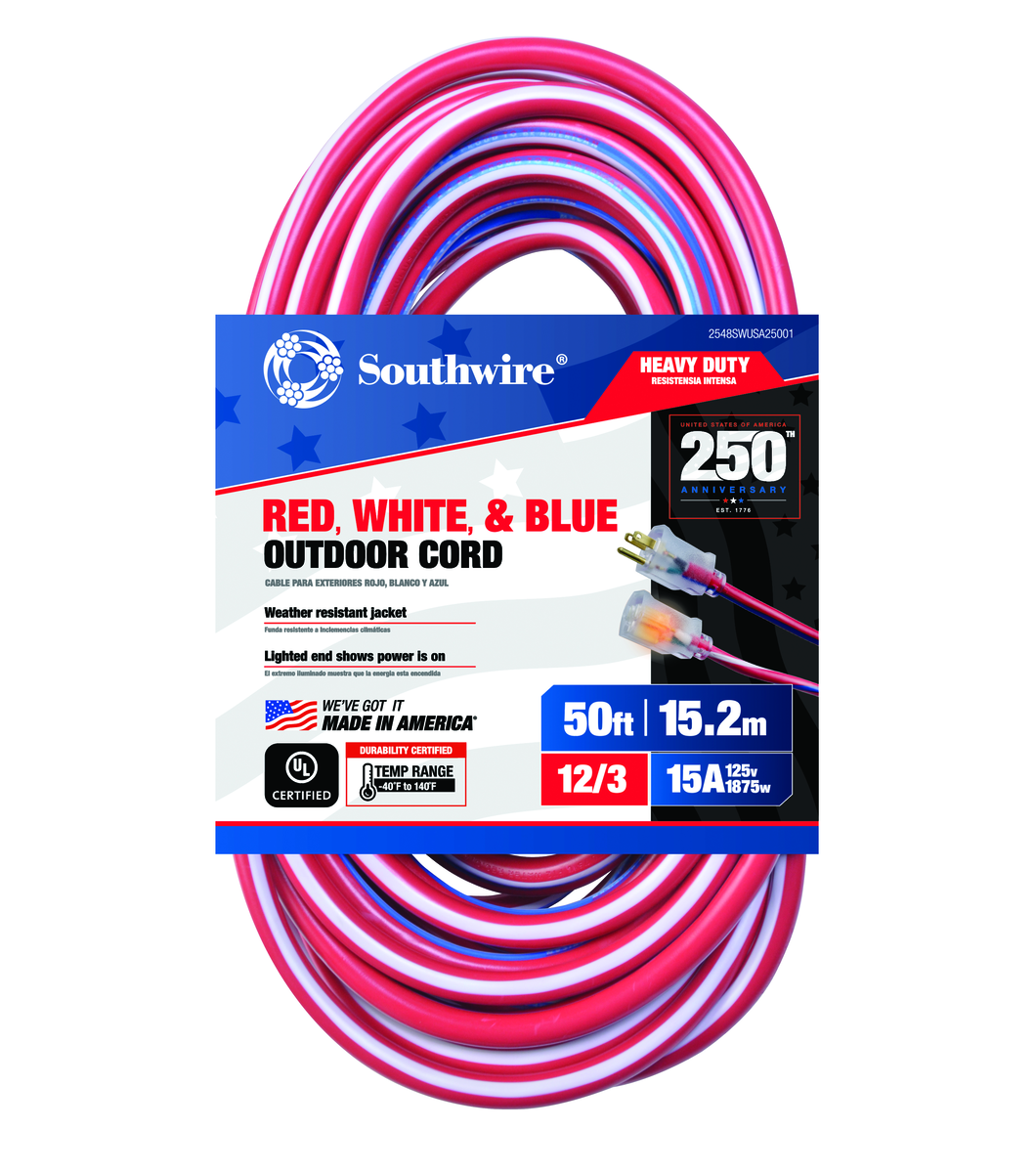
12/3 SJTW 50ft Outdoor Extension Cord
More specifications
- Conductors
- 12/3
- Length
- 50ft / 15.24m
- Certification
- UL/CUL listed
A shorter heavy-gauge North American outdoor route for loads within its 15A rating.
Southwire
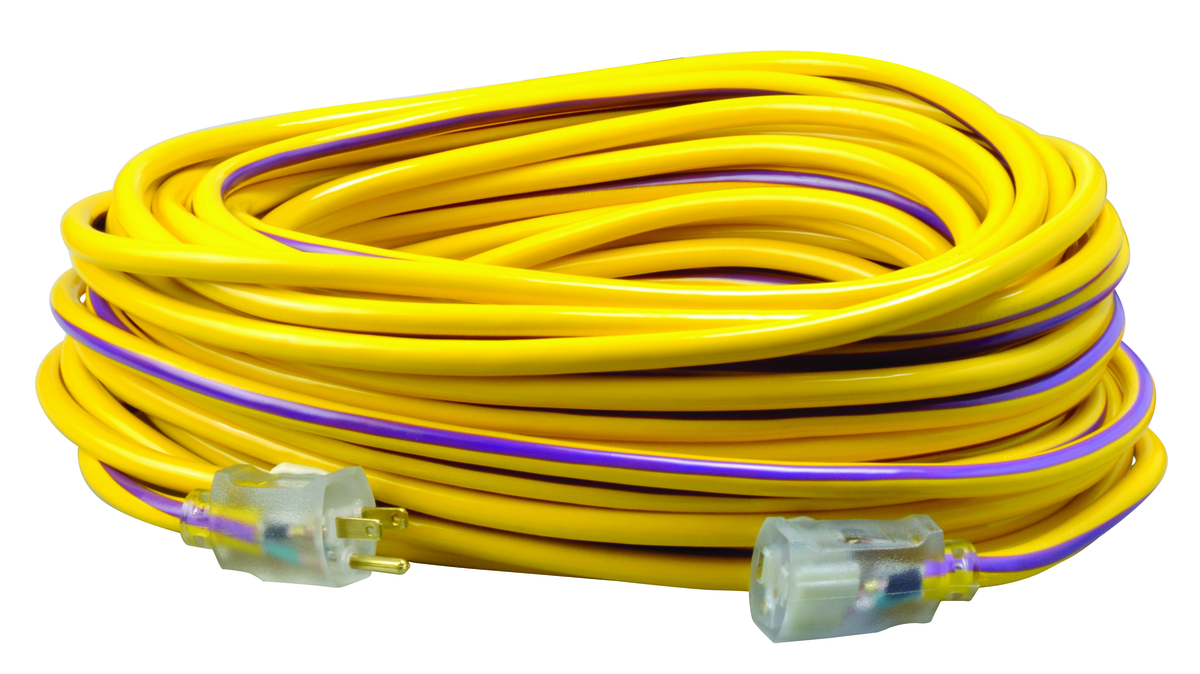
12/3 SJTW 100ft Outdoor Extension Cord
More specifications
- Conductors
- 12/3
- Length
- 100ft / 30.48m
- Plug
- NEMA 5-15P
A long North American outdoor route where 12-gauge conductors help control voltage drop.
Arlec
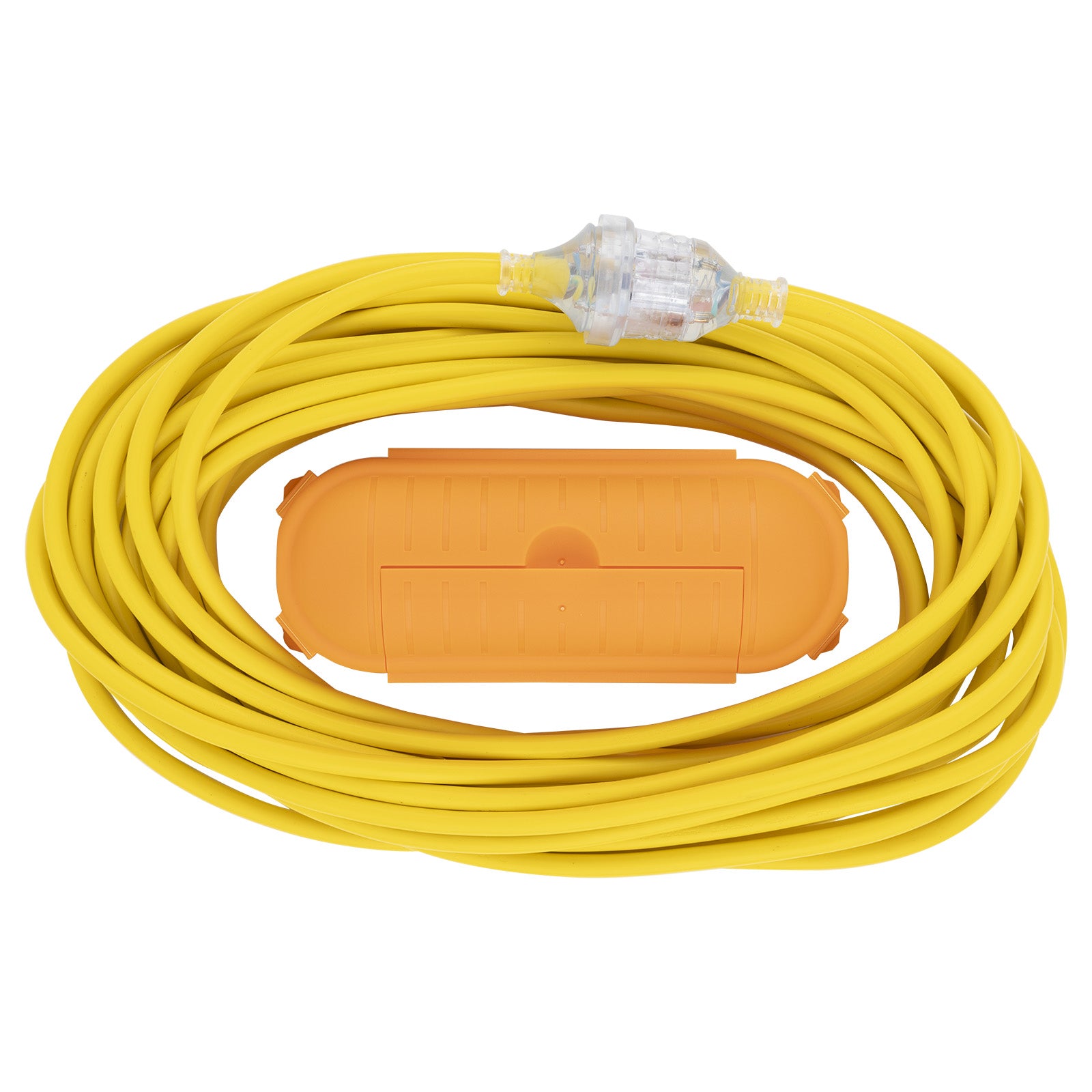
15m Heavy Duty Extension Lead
More specifications
- Length
- 15m
- Plug system
- Australian Type I
- Included
- IP44 cord box
An Australian-format extension route with a weather-protection box for the joined connection.
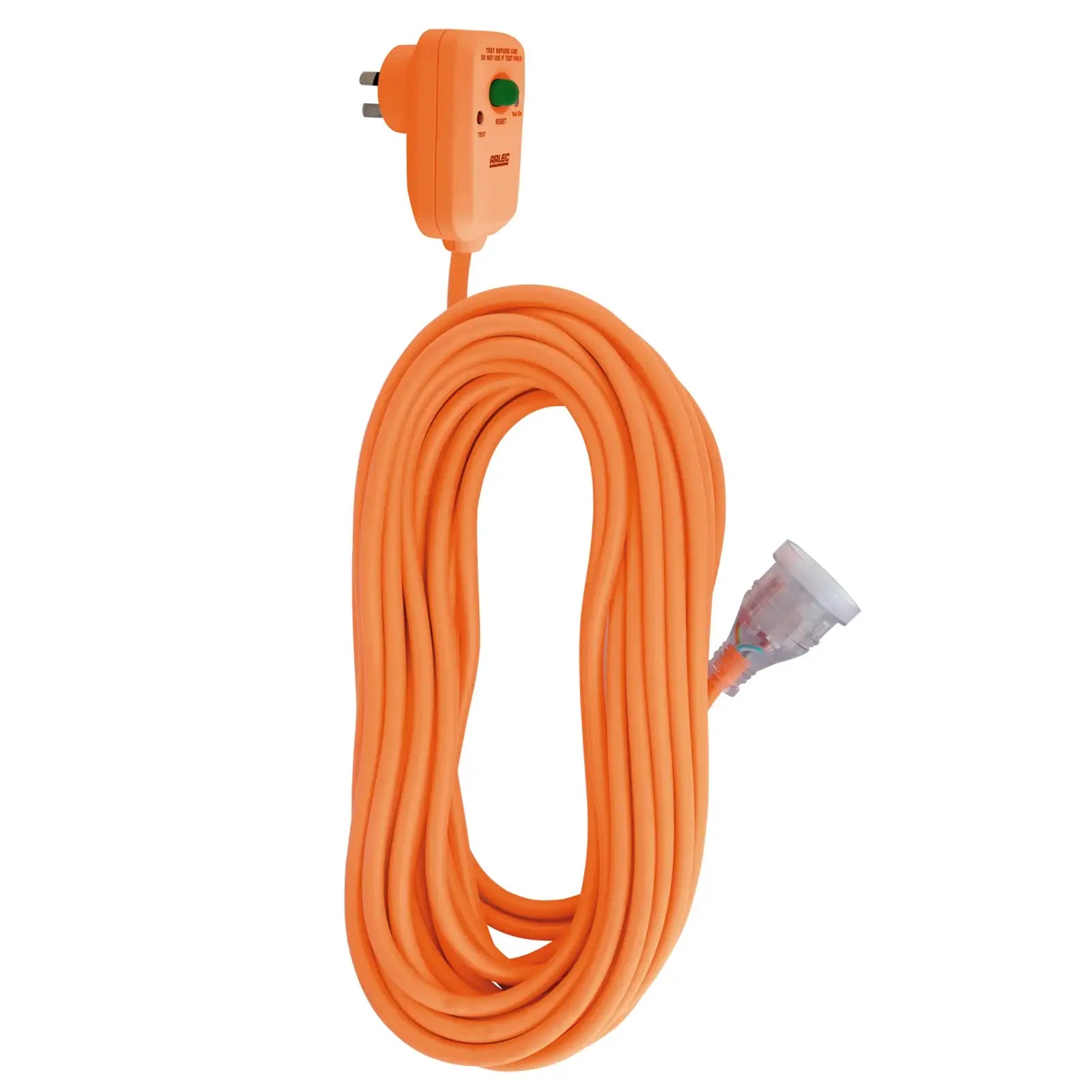
Arlec
15m Safety Extension Lead with Inline RCD
More specifications
- Length
- 15m
- Current
- 10A
- Protection
- Inline RCD
An Australian-format lead when a portable inline safety switch is part of the planned route.
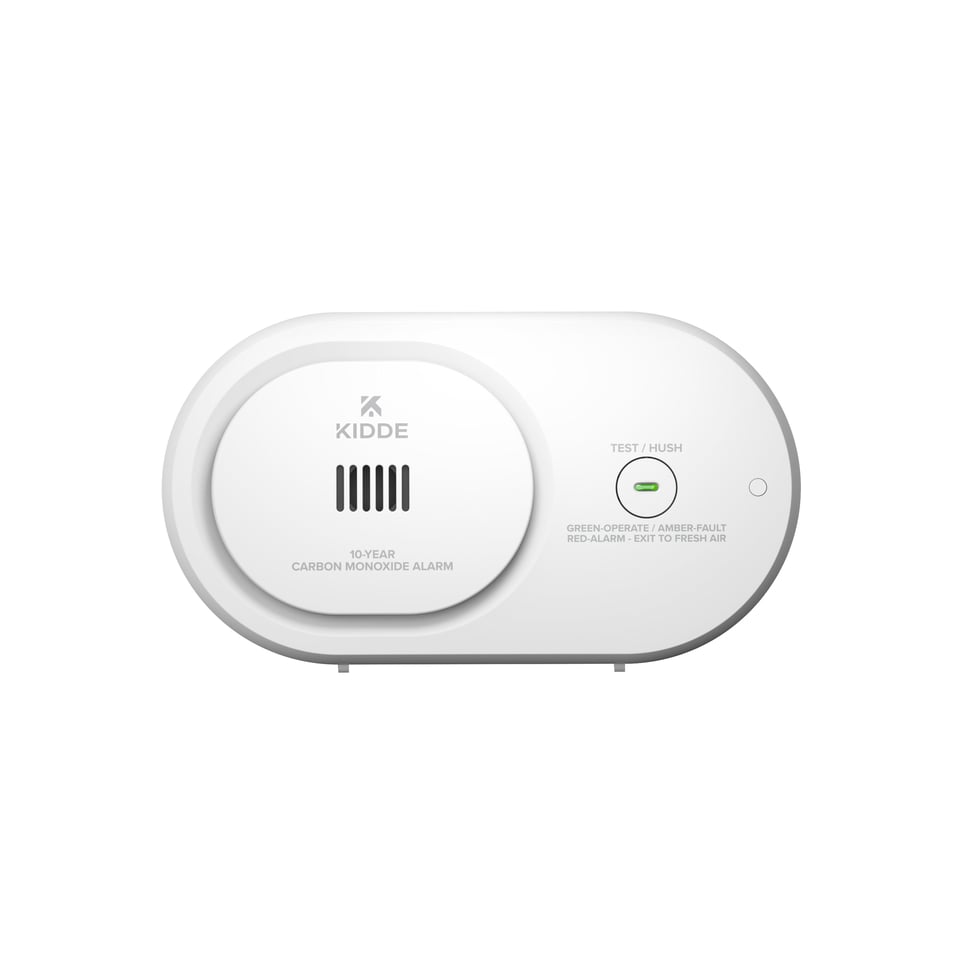
Kidde
COB10 Carbon Monoxide Alarm
More specifications
- Power
- Sealed battery
- Battery life
- 10 years
- Backup role
- No outlet required
A North American battery alarm that remains active when utility power is unavailable.
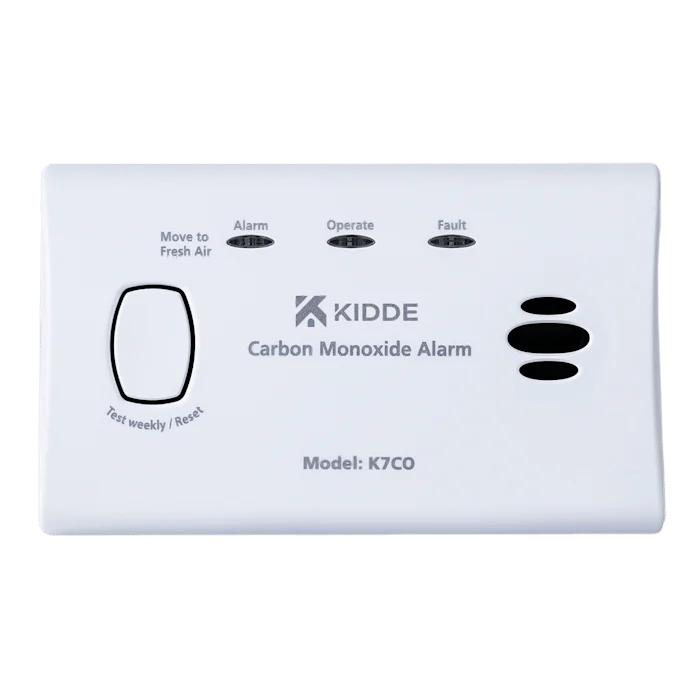
Kidde
K7CO Carbon Monoxide Alarm
More specifications
- Sensor life
- 10 years
- Power
- 2 × AA supplied
- Use
- Portable battery alarm
A battery-powered alarm for a backup kit that does not depend on the protected outlet circuit.
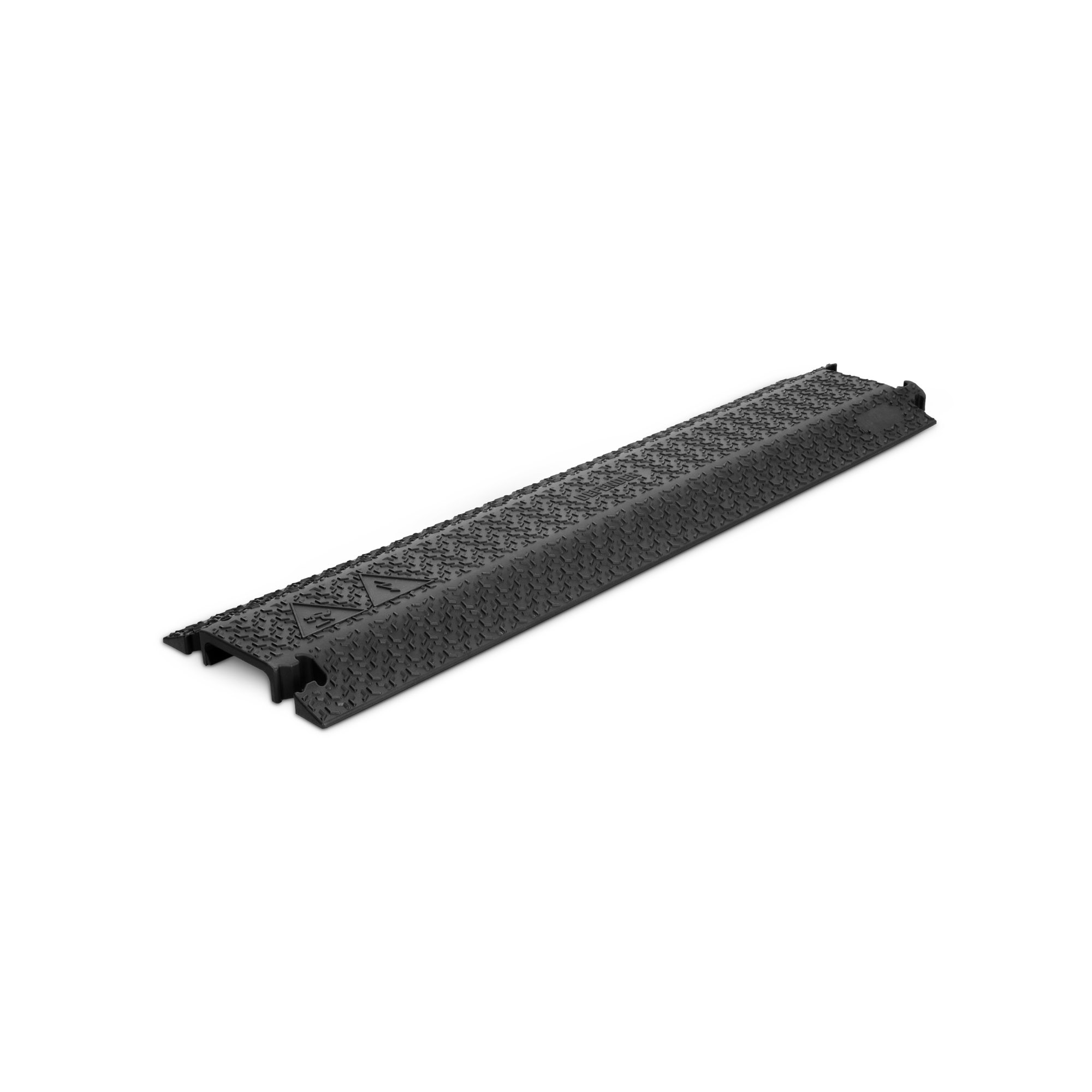
Defender
XPRESS 100 Cable Protector
More specifications
- Channel
- 100 × 30mm
- Module size
- 1005 × 250 × 40mm
- Temperature
- −30 to 60°C
Protecting a cable crossing where people walk and a clearly visible, modular cover is appropriate.

Build one labelled kit—not a drawer full of unknown cables.
- Label each cable with its maximum load and intended appliance.
- Store adapters, light, meter and instructions together.
- Test the full route under a normal load before relying on it.
Questions people ask before use.
Can any extension cord handle a power station?+
No. The printed current or watt rating, conductor size, length, plug standard and indoor/outdoor rating all matter. The lowest-rated part limits the route.
Why must a cable reel be unwound?+
A tightly wound cable cannot lose heat as easily. Under a substantial load this can overheat the reel, so follow its printed wound and unwound ratings.