Can a portable power station run a microwave?
Check microwave electrical input against ordinary inverter output, then calculate energy from the actual heating time with transparent 1,200W examples.
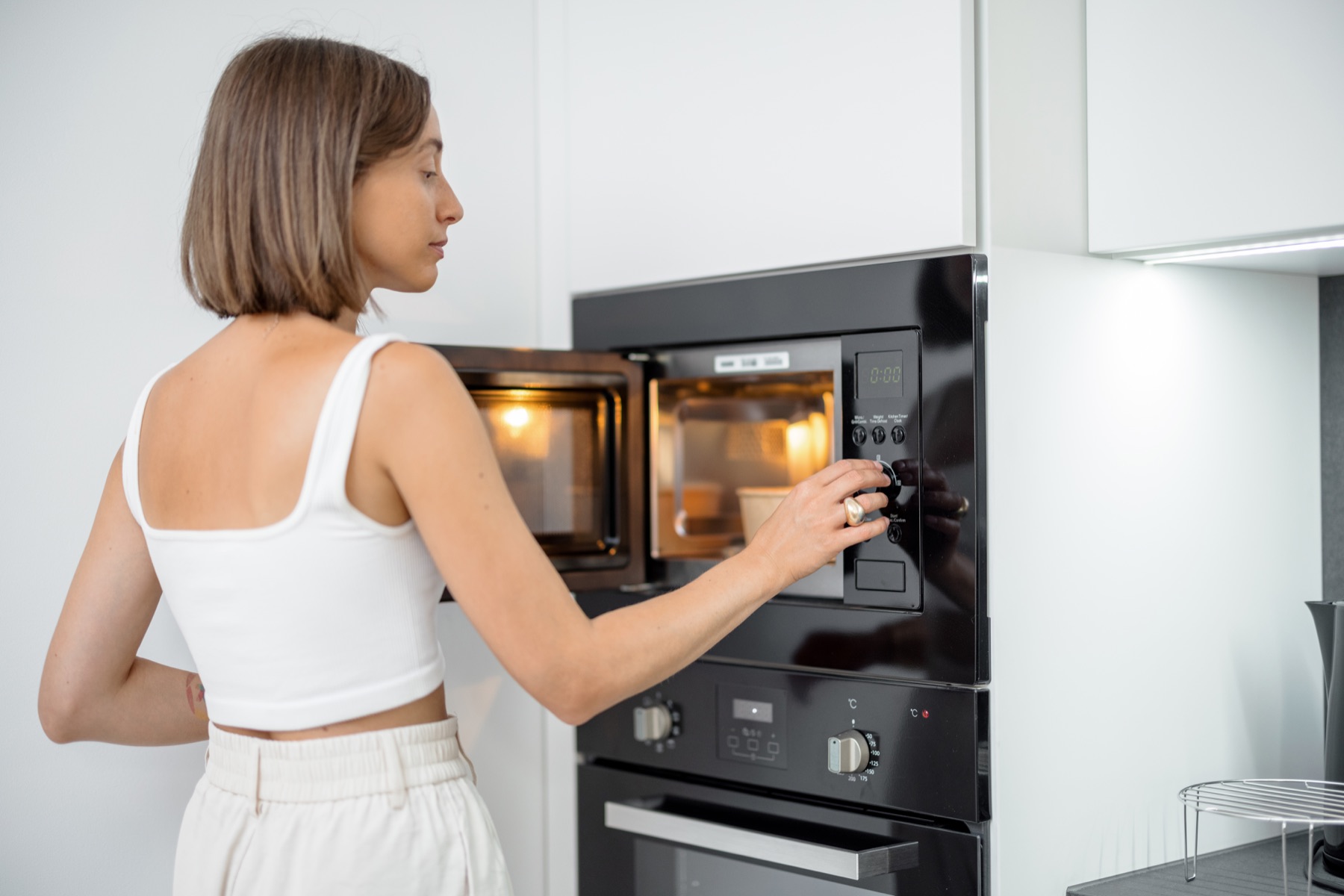
The energy is manageable for many batteries, but the station must still support at least 1,200W of ordinary continuous AC output in this example.
See why this fitsEnergy used at 1,200W electrical input
usable Wh ÷ average W = hoursUse the row closest to your situation. The explanation below shows what can move the result.
Comparison table
| Full-power heating time | Energy at appliance | Share of 800Wh | Energy remaining |
|---|---|---|---|
| 2 minutes | 40Wh | 5% | 760Wh |
| 5 minutes | 100Wh | 12.5% | 700Wh |
| 10 minutes | 200Wh | 25% | 600Wh |
| 20 minutes | 400Wh | 50% | 400Wh |
Planning estimate only. Real runtime varies with temperature, load behavior, battery condition and conversion path.

Brief peaks can matter more than the average load.
Use the running watts for energy and the highest starting demand for output sizing.
Open Runtime Lab →What does this mean
for your choice?
Use electrical input, not cooking output
A microwave may advertise cooking output on the front while drawing more electricity from the outlet. For inverter compatibility, use the electrical input on the model label or manual.
Short duration keeps energy modest
High power does not automatically mean a huge watt-hour budget. At full power, 1,200W for five minutes is 100Wh. Repeated cooking, convection or grill modes need their own longer calculation.
Ordinary output must cover the load
Compare the nameplate input with the station’s normal continuous AC rating. A temporary boost or voltage-lifting mode is not proof that the microwave will operate correctly.

Check the complete power path.
A large enough battery can still be the wrong setup when its output, cable or regional version does not match.
- Microwave electrical-input watts
- Station ordinary continuous AC output
- Heating minutes and power setting
- Correct regional voltage and outlet
- Other simultaneous loads
- Ventilation and appliance instructions
Practical answers
Will a 1,000W power station run a 1,000W microwave?
Not necessarily. The advertised microwave cooking output can be lower than its electrical input. Compare the station with the input watts on the exact appliance label.
How much battery does five minutes use?
At 1,200W electrical input, five minutes equals 100Wh at the appliance before any additional inverter overhead or reserve.
Can I use a microwave from another voltage region?
Do not treat a plug adapter as a voltage converter. Use a microwave and power-station AC version designed for the same local voltage and frequency.
Evidence and sources2 official sourcesShow sources
Stations worth checking against this calculation
These are relevant specification profiles, not automatic recommendations. Confirm energy, output protocol, cable behavior and the exact regional model before buying.