
The main things first
The national Be Emergency Ready booklet says that a major emergency can disrupt power, water, transport and other essential services, and that where possible everyone should be prepared to support their own needs. Its household checklist asks for a supply of food and bottled water kept for exactly that situation.
For a power cut specifically, three things matter most. Keep the fridge and freezer shut. Check your own trip switch before assuming the fault is outside. And ring ESB Networks on 1800 372 999 to report a fault or a fallen wire.
Use 112 or 999 only for an emergency. A power cut on its own is not one, but a power cut can become one — if anyone is in danger, ring 112 or 999 first, then report the fault.
This site is not a network operator and not an electricity supplier. We have no live outage map and we cannot tell you whether the power is out on your road. For that, use ESB Networks’ own PowerCheck service.
Water and food
The national campaign booklet gives a clear figure for water: each person needs 2–3 litres of drinking water each day. It adds that you should keep some bottled water in a cool, dark place and store it only as long as the expiry date on the bottle.
For food the booklet asks for a supply of food that keeps, rotated so that nothing goes past its expiry date. It also says to think about the food needs of everyone in the household, including children and pets, and to eat fresh food and food from the fridge first.
The booklet is published in separate Irish-language and English-language editions with the same content, so you can read either one.
Source: Be Emergency Ready campaign booklet (PDF, English) · Irish-language edition (PDF) · gov.ie/BeEmergencyReady
Food safety during a power cut
The Irish household guidance on food safety in an emergency is published by safefood, the all-island food safety body. That is where the timings for a fridge and a freezer belong, and where you can check the current wording for yourself.
The advice below does not depend on a number of hours, and it covers most of what you have to decide in a real outage:
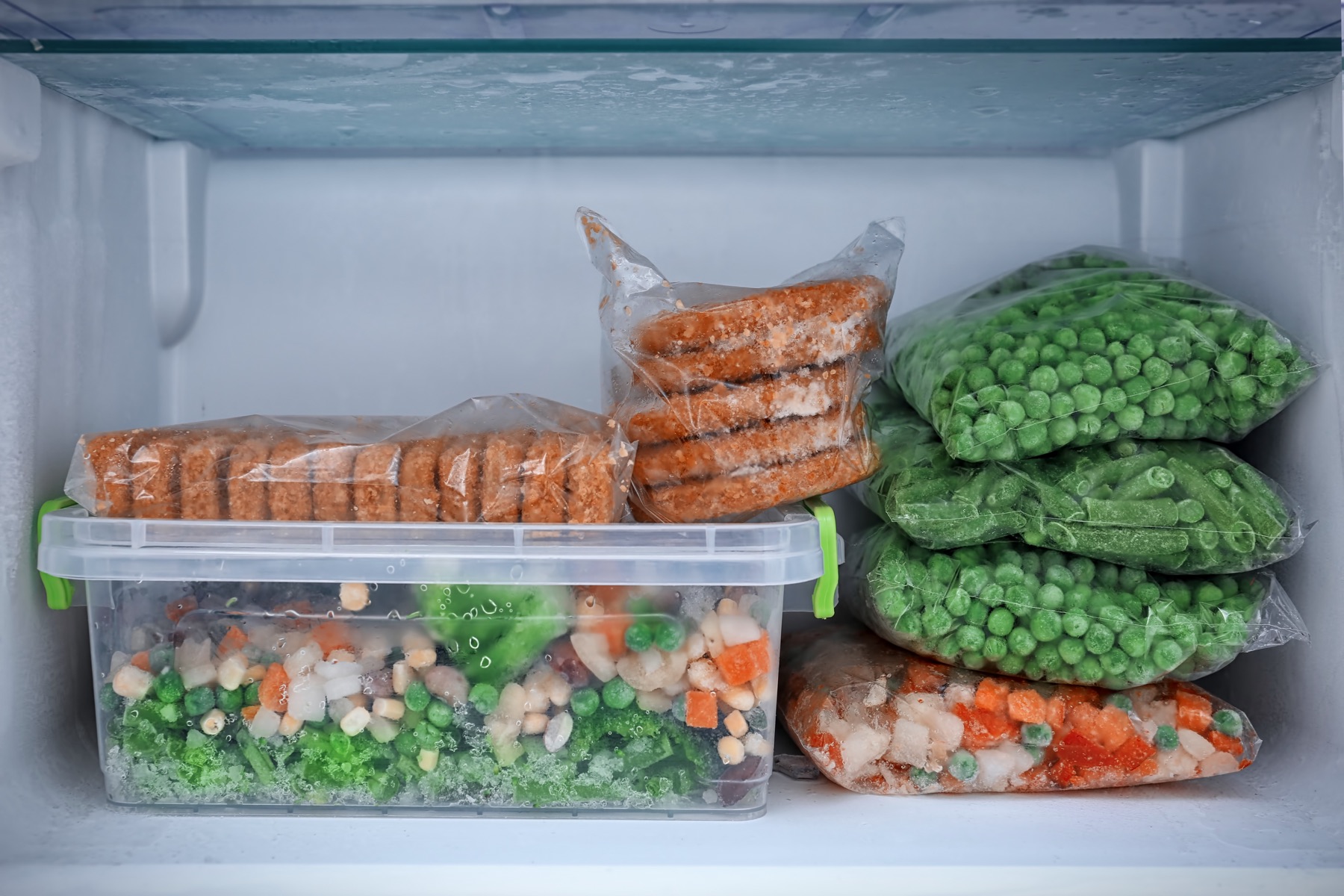
- Keep the fridge and freezer doors closed as much as you can. Every time you open them you lose cold air.
- Do not taste food to check whether it is safe. Harmful bacteria can grow without any change in smell or taste.
- If you are unsure, throw it out. That rule needs no threshold, and it is the safest one on this page.
- When the power comes back, check items individually rather than relying on how long the outage felt.
For how long a fridge or a freezer keeps food safe, and for how to judge a specific product, follow safefood’s guidance on food safety in emergencies.
Is it your home, or the whole area?
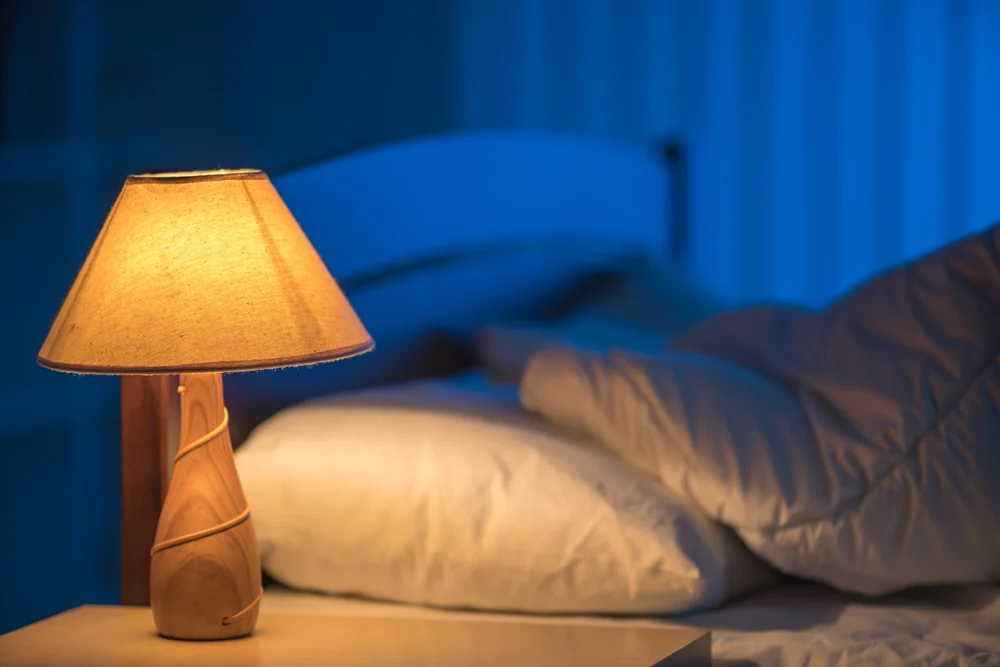
Start by working out whether it is only your home that is dark. ESB Networks sets out what to do in each case.
If your neighbours are also without power, the fault is on the network. You can report it on PowerCheck or ring 1800 372 999.
If your neighbours still have power, check that your trip switch is in the ‘on’ position or whether a fuse has blown. A fault in your own wiring is something ESB Networks will not repair. If a trip switch has tripped or a fuse has blown, switch off your appliances before you reset the switch or replace the fuse.
A pay-as-you-go meter adds one more step: check whether your emergency credit has run out, and top up if it has. If the credit is fine, check the trips and fuses.
To use PowerCheck you need your Eircode and phone number, or your 11-digit MPRN. Keep your MPRN somewhere you can find it without electricity.
Fallen wires and emergency numbers
ESB Networks gives this warning in plain terms: fallen electricity wires are live and dangerous. Do not touch them and do not go near them. Ring immediately on 1800 372 999 or +353 21 238 2410.
For anything that is genuinely an emergency — a fire, a medical emergency, or someone in immediate danger — ring 112 or 999. The national booklet states that the number to dial in an emergency is 112 or 999, and that the operator will ask which emergency service you need and connect you straight away. Keep your phone switched on, because the emergency services may need to ring you back.
Generators and other fuel-burning equipment
Connecting a generator to your home’s fixed wiring is not a household task. ESB Networks requires the source of standby generation, and its wiring, to be installed by a Registered Electrical Contractor in line with the National Wiring Rules. Getting it wrong creates a danger for you, for your neighbours and for repair crews working on lines they believe are dead. This page gives no instructions for connecting a generator to a socket, a distribution board or your home’s wiring, and none for feeding power back into the network.
Two of ESB Networks’ own warnings are worth repeating here: standby generation must never be connected by a temporary means, such as plugging it directly into a regular wall socket, and it must never be shared between properties. If ESB Networks finds a connection feeding out onto its network, the property is disconnected on safety grounds until a Registered Electrical Contractor submits a wiring certificate.
Clear safety advice: never use a generator, a barbecue or a camping stove indoors, in a garage or in any enclosed or poorly ventilated space. Petrol or diesel equipment belongs outside, and exhaust fumes must not be drawn back in through doors, windows or vents. Carbon monoxide cannot be seen, smelled or tasted, so keep fuel-burning equipment that is not designed for indoor use out of the house. Use only equipment intended for indoor use indoors, install a carbon monoxide alarm, and ventilate the rooms where fuel is burned.
Source: ESB Networks, safety tips for outages · ESB Networks, standby generators · Carbon Monoxide Ireland, causes · HSE, fire dangers in your home
Before and during the first hour
ESB Networks’ own advice for the next outage is short and practical: have a torch accessible with a spare supply of batteries, keep your MPRN and the emergency contact number somewhere safe, and know where your household fuses and trip switches are so you can tell whether the problem is in your own electrics. For a major outage it also suggests a portable radio, because updates are usually broadcast.
- Keep the fridge and freezer doors shut.
- Have a torch and spare batteries where you can find them in the dark.
- Keep your MPRN and the number 1800 372 999 where you can find them without electricity.
- Know where your fuses and trip switches are.
- Keep a battery or wind-up radio for local updates.
Two small things that help: leave one light switched on so that you notice when the power returns, and switch off electric cookers, ovens and irons at the wall so that they do not come back on unattended.
Questions people actually ask
Who do I ring about a power cut?
ESB Networks on 1800 372 999, or +353 21 238 2410 from outside Ireland. Not 112 — that is for emergencies.
How long should I be ready to manage on my own?
The current campaign booklet does not publish a fixed number of days. It asks households to keep a supply of food and bottled water on hand for an emergency in which power or water may be lost, and says that where possible everyone should be prepared to support their own needs.
How long does an unopened freezer keep food frozen?
Follow safefood for the household guidance and for how to judge a specific product. Keep the door closed as much as you can, and check items individually when the power returns.
How long does an unopened fridge keep food cold?
Follow safefood for the timing and for the assessment of individual items. Keep the door closed as much as you can, and once the power is back, check each item rather than trusting the clock.
Is it safe to refreeze food that has thawed?
Follow safefood for the refreezing rule. The advice that always applies is: if you are unsure, throw it out — and never taste food to decide whether it is safe.
Does this site know if there is an outage near me?
No. We are not a network operator and we have no live outage map. Use ESB Networks’ PowerCheck or ring 1800 372 999.
Sources
Office of Emergency Planning: Be Emergency Ready booklet (English, PDF) · Irish-language edition (PDF) · gov.ie/BeEmergencyReady · safefood: Food safety in emergencies · ESB Networks: power outages and updates · ESB Networks: safety tips for outages · ESB Networks: standby generators · Carbon Monoxide Ireland: causes · HSE: fire dangers in your home
This is an editorial draft. It contains no product offer, no purchase recommendation and no installation instructions. For food-specific guidance, see safefood.