Can a portable power station run an electric kettle?
Check kettle watts against ordinary inverter output, then calculate the smaller watt-hour cost of a short boil with transparent 1,500W examples.
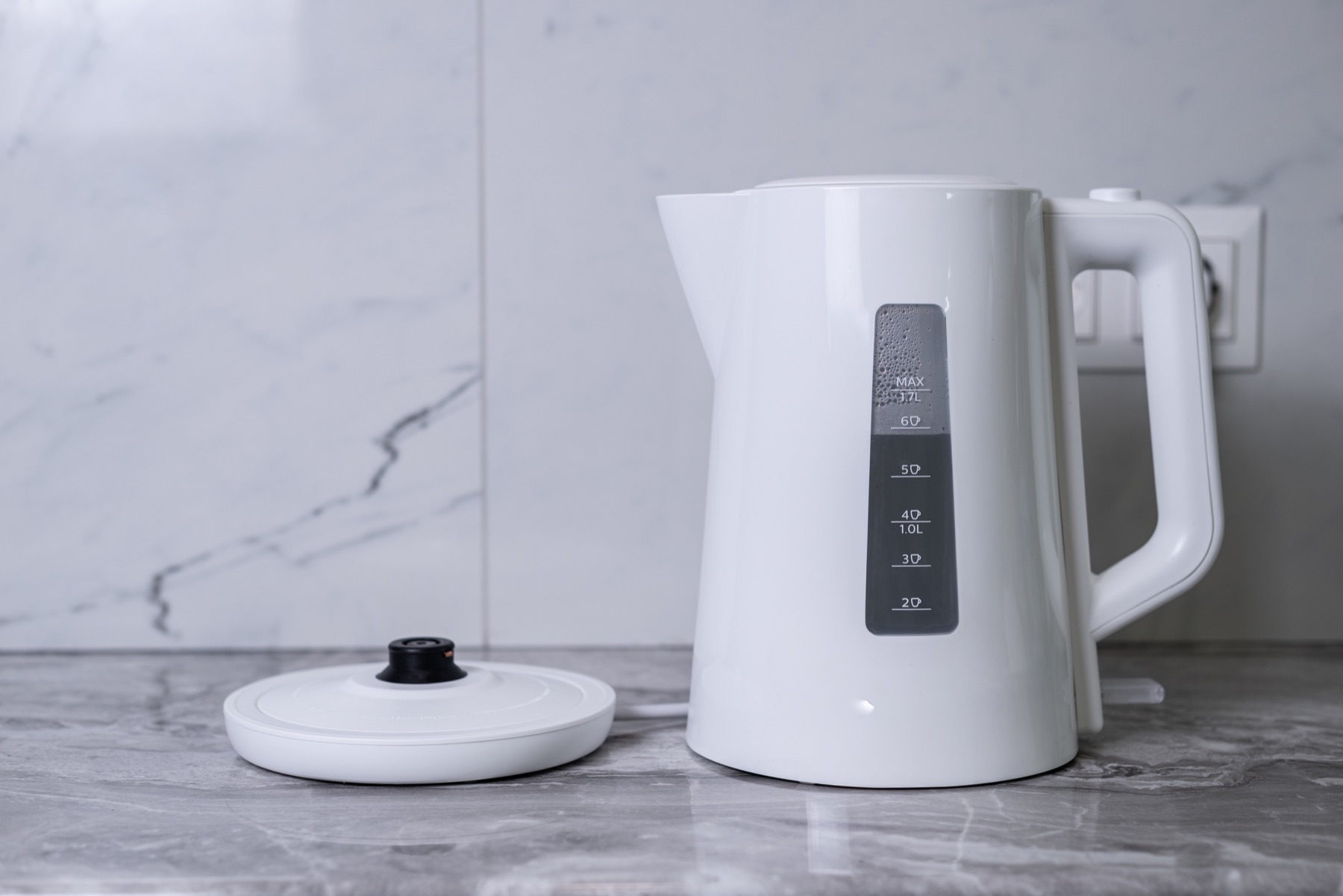
The battery energy is modest, but the station still needs at least 1,500W of ordinary continuous AC output for this example.
See why this fitsEnergy used by a 1,500W kettle
usable Wh ÷ average W = hoursUse the row closest to your situation. The explanation below shows what can move the result.
Comparison table
| Heating time | Energy at appliance | Share of 800Wh | Energy remaining |
|---|---|---|---|
| 2 minutes | 50Wh | 6.3% | 750Wh |
| 3 minutes | 75Wh | 9.4% | 725Wh |
| 5 minutes | 125Wh | 15.6% | 675Wh |
| 10 minutes | 250Wh | 31.3% | 550Wh |
Planning estimate only. Real runtime varies with temperature, load behavior, battery condition and conversion path.

Brief peaks can matter more than the average load.
Use the running watts for energy and the highest starting demand for output sizing.
Open Runtime Lab →What does this mean
for your choice?
Output comes before battery size
A large energy capacity does not prove that the inverter can support a kettle’s heating element. Compare the kettle label with ordinary continuous AC output, not a short boost mode.
Boil only the water you need
Energy is power multiplied by time. Less water generally reaches boiling sooner, so measure or time one realistic boil instead of estimating from a full-hour load.
Use matching regional hardware
Kettles are closely tied to local voltage and outlet standards. A plug adapter does not convert voltage; use an appliance and station intended for the same electrical region.
Check the complete power path.
A large enough battery can still be the wrong setup when its output, cable or regional version does not match.
- Kettle nameplate watts
- Station ordinary continuous AC output
- Typical minutes per boil
- Correct regional voltage and outlet
- Other simultaneous loads
- Reserve for the rest of the setup
Practical answers
Will a 1,000W power station run a kettle?
Not a 1,500W kettle in ordinary operation. Battery watt-hours may cover the short boil, but inverter watts determine whether the heater can run.
How much battery does one boil use?
In the 1,500W example, three minutes uses 75Wh and five minutes uses 125Wh at the appliance, before additional inverter overhead.
Is a travel kettle easier to run?
It may have a lower wattage, which reduces the required inverter output, but it can take longer to boil. Calculate its own watts multiplied by actual heating time.
Evidence and sources2 official sourcesShow sources
Stations worth checking against this calculation
These are relevant specification profiles, not automatic recommendations. Confirm energy, output protocol, cable behavior and the exact regional model before buying.