Connectivity
Starlink Mini
Manufacturer-sourced range- Typical range
- 25–40 W
- Starting value
- 40 W
- Brief peak
- 60 W
Check and edit these values once you have a nameplate or measurement.
Choose what must stay on. We turn it into a simple UPS target and a response plan you can rehearse.
Build my plan ↓
Pick the closest starting point. You can correct every watt value next.
Exact models show their source. If the model is not indexed yet, use an editable category estimate instead.
8 of 27 results shown · search or filter to narrow the list
Check and edit these values once you have a nameplate or measurement.
Check and edit these values once you have a nameplate or measurement.
Check and edit these values once you have a nameplate or measurement.
Check and edit these values once you have a nameplate or measurement.
Check and edit these values once you have a nameplate or measurement.
Check and edit these values once you have a nameplate or measurement.
Check and edit these values once you have a nameplate or measurement.
Check and edit these values once you have a nameplate or measurement.
These are useful starting values—not measurements. Replace them with readings from a watt meter or the equipment label.
How to measure watts →Give active work time to react, then enough time for a controlled shutdown. Five extra minutes are added as a safety margin.
Plan for approximately 25 minutes of protected time, then verify that duration on the manufacturer’s runtime chart at your real load.
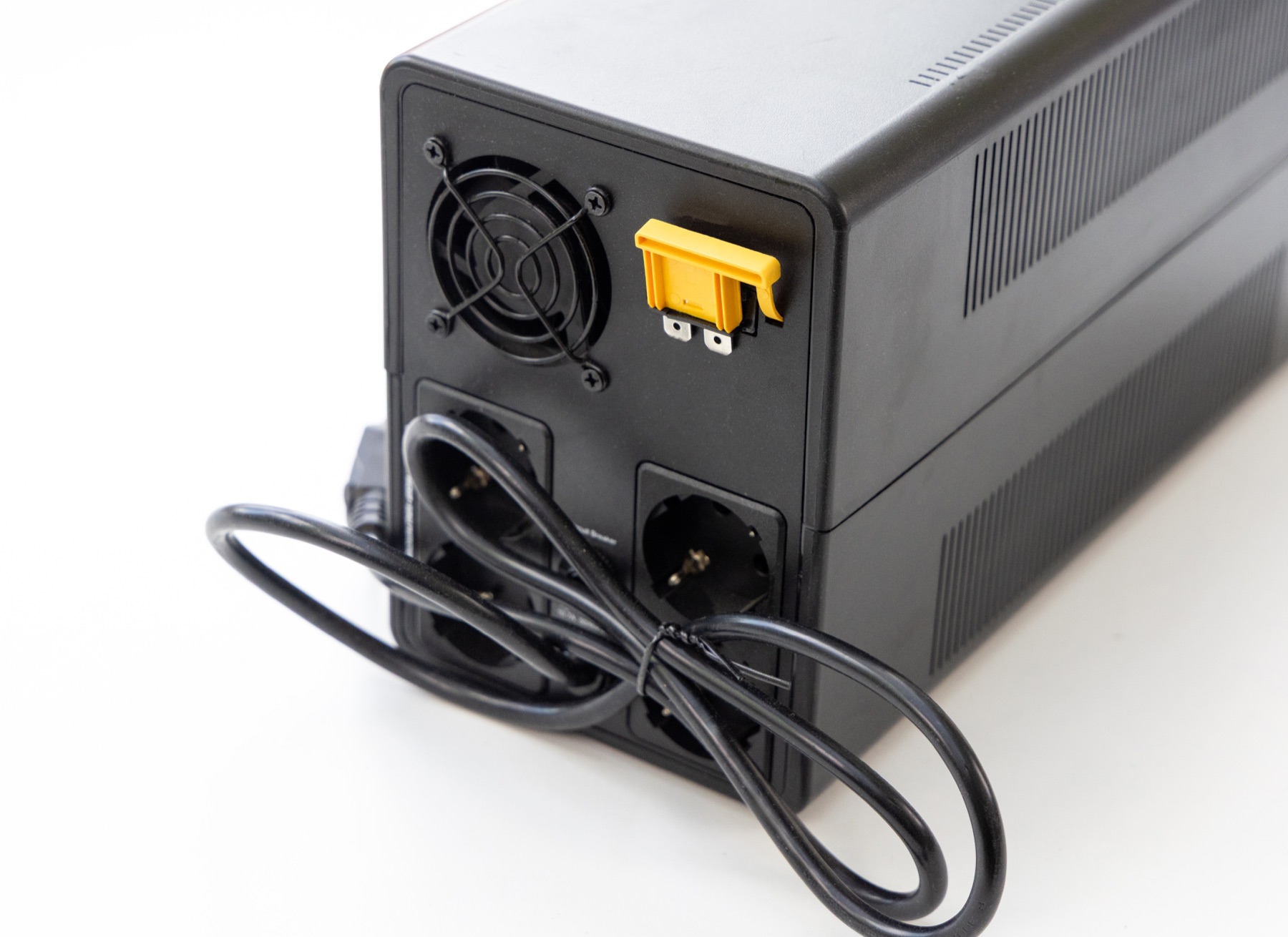
A UPS can have battery-backed outlets and surge-only outlets on the same rear panel. Put only the essential computer, storage and network path on battery backup.
UPS runtime is not a simple VA-to-minutes conversion. Battery condition, conversion losses and the manufacturer’s discharge curve all matter. Use this page to set the required load and time, then confirm both on the exact model’s official runtime chart.