How to choose a portable power station
Choose a portable power station by usable energy, real output, charging limits, connectors and regional hardware—not by one headline wattage.
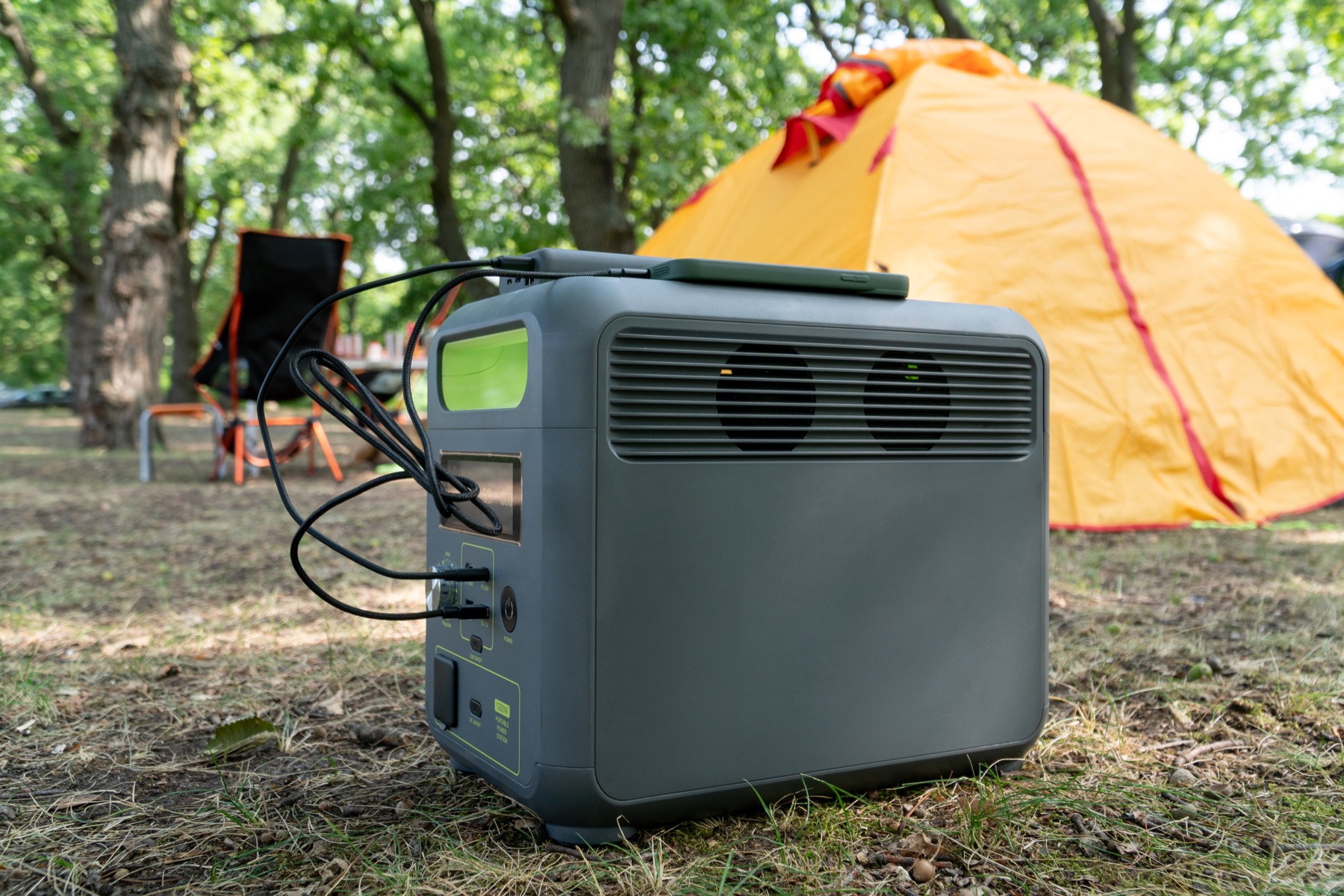
Capacity ranks the remaining candidates; it should never be the only filter.
See why this fitsTranslate the use case before comparing models
usable Wh ÷ average W = hoursUse the row closest to your situation. The explanation below shows what can move the result.
Comparison table
| Question | Number to collect | What it controls | Common mistake |
|---|---|---|---|
| What must stay on? | Average watts × hours | Required battery energy | Using charger maximum as average draw |
| What starts together? | Continuous and peak watts | Inverter size | Checking capacity but not output |
| How will it recharge? | Daily Wh and available sun | Panel and input size | Comparing panel watts without voltage |
| How will it connect? | Port, plug and polarity | Cable or adapter path | Assuming similar plugs are interchangeable |
| Where will it be used? | Voltage, frequency and outlets | Correct regional model | Importing incompatible hardware |
Planning estimate only. Real runtime varies with temperature, load behavior, battery condition and conversion path.

Use your own watts, hours and reserve.
A realistic input gives you a useful range instead of a false promise.
Open Station Finder →What does this mean
for your choice?
Capacity is a duration number
Watt-hours tell you how long a battery may support an average load. Budget from usable energy rather than the label alone: conversion loss, battery protection, temperature and standby consumption all reduce what reaches the device.
Output decides whether it runs
Continuous watts must cover everything operating together, while starting or surge capability must cover short peaks from compressors, motors and power supplies. Special lifting modes are not universal substitutes for normal inverter output.
The whole charging path must match
A high solar-watt figure is useful only after panel open-circuit voltage, current, connector, polarity and each input port have been checked. Cold weather can raise panel voltage, and series or parallel wiring changes different limits.
Check the complete power path.
A large enough battery can still be the wrong setup when its output, cable or regional version does not match.
- Combined watt-hours for one realistic day or outage period
- Continuous output and starting surge for simultaneous loads
- Solar open-circuit voltage, current and watts per input
- Every cable, connector, polarity and USB-C power profile
- The AC voltage, frequency and outlet layout sold in your country
- Weight, dimensions, noise and recharge time in the real use location
- A manufacturer manual and a test run for any critical setup
Practical answers
How many watt-hours do I need?
Multiply each device's realistic average watts by the hours it will run, add the results, then allow for conversion loss and reserve. Our planners use an 80–90% usable-energy range instead of treating every label watt-hour as deliverable.
Is a higher inverter wattage always better?
No. It can create useful headroom, but it does not increase runtime. Capacity, weight, low-load efficiency, ports, charging limits and regional hardware may matter more once your maximum load is safely covered.
Can I buy a cheaper model from another country?
Only after verifying the exact regional model. AC voltage, frequency, outlet shape, charging cable, warranty and sometimes output limits can differ even when the product name looks identical.
Should I choose the battery or solar panel first?
Start with daily consumption and the battery reserve needed through nights or poor weather. Then size a compatible array around the station's documented voltage, current and wattage limits.
Evidence and sources4 official sourcesShow sources
Stations worth checking against this calculation
These are relevant specification profiles, not automatic recommendations. Confirm energy, output protocol, cable behavior and the exact regional model before buying.